
Comparative lead: weighing machines and makers
In Dublin workshops you learn fast that a machine is only as reliable as the hands that keep it running — which is why a clear-headed comparison matters when choosing an automatic edge banding machine supplier. Think of two tracks: one where you buy close to home for quick service and taught technicians, another where you buy a feature-heavy import with glossy specs. Both promise faster throughput and neater joins; the difference shows up in spare parts, lead times and the calibration culture. The terms edgebanding, glue pot and trimming unit crop up in every spec sheet, yet they tell only part of the story.

Core capabilities to compare
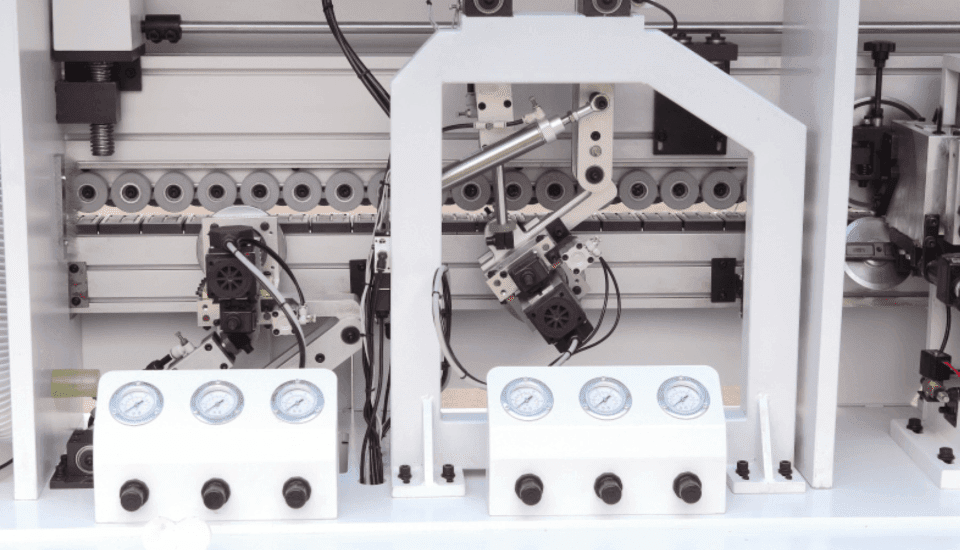
Lay the machines side by side and judge by function rather than flash. Key features to measure: feed speed and consistency, the type of glue system and temperature control, the precision of the trimming unit and whether the pressure rollers handle your chosen tape width. CNC control schemes matter for repeatability; a tidy control panel saves hours on complex profiles. Ask for cycle-time data on the panels you actually produce, not on the idealised sample plank.
Service network, spare parts and training
Local presence changes the economics. A supplier with on-the-ground technicians shortens downtime and lowers the risk of bottlenecks. Training matters too — not a PDF, but hands-on sessions for glue pot maintenance and calibration of the trimming unit. Remote diagnostics are useful; they must be backed by a promise of next-day parts if your shop runs two shifts. I spent a morning in a Dublin joinery last year where a switch to an automated line cut edge-banding labour by roughly half — the daily rhythm changed because someone showed the team how to set feed speed and maintain glue temperature correctly.
Cost versus uptime: the practical calculation
Purchase price is only chapter one. Tally cost per edge applied: factor in consumables, operator hours, expected mean time between failures and the ease of replacing the glue pot or feed rollers. A cheaper machine with frequent calibration needs will erode margins fast. Conversely, a well-specified unit reduces rework, improves joint quality and raises throughput. Balance your capex with measured uptime — not promises — and insist on performance data from similar shops in your region.
Common mistakes and steadier paths
Shops often chase the most exotic features instead of core reliability. Avoid buying based solely on high feed speeds without testing on your laminate and tape. Check glue compatibility — some adhesives need different temperature profiles and affect cycle time. Look for suppliers who supply spare rollers, calibration jigs and clear service intervals. — A quick check of the warranty fine print will save you hours later.
Three golden rules for selecting your supplier
1) Measure real output: ask for documented cycle times and defect rates from customers making panels like yours. Prioritise data over glossy brochures. 2) Confirm local service and parts availability: a reliable supply chain for glue, tapes and replacement cutters keeps production moving. 3) Insist on hands-on training plus a clear maintenance schedule for glue pot management and trimming unit calibration. These three metrics cut through sales talk and make procurement decisions defensible.

Choose a partner who understands your floorspace, your mix of short runs and longer batches, and who backs machines with clear spare parts and training pathways — for many workshops that partner is one with a visible service footprint and straightforward engineering, such as HUAHUA CNC. –