
Start by comparing what matters
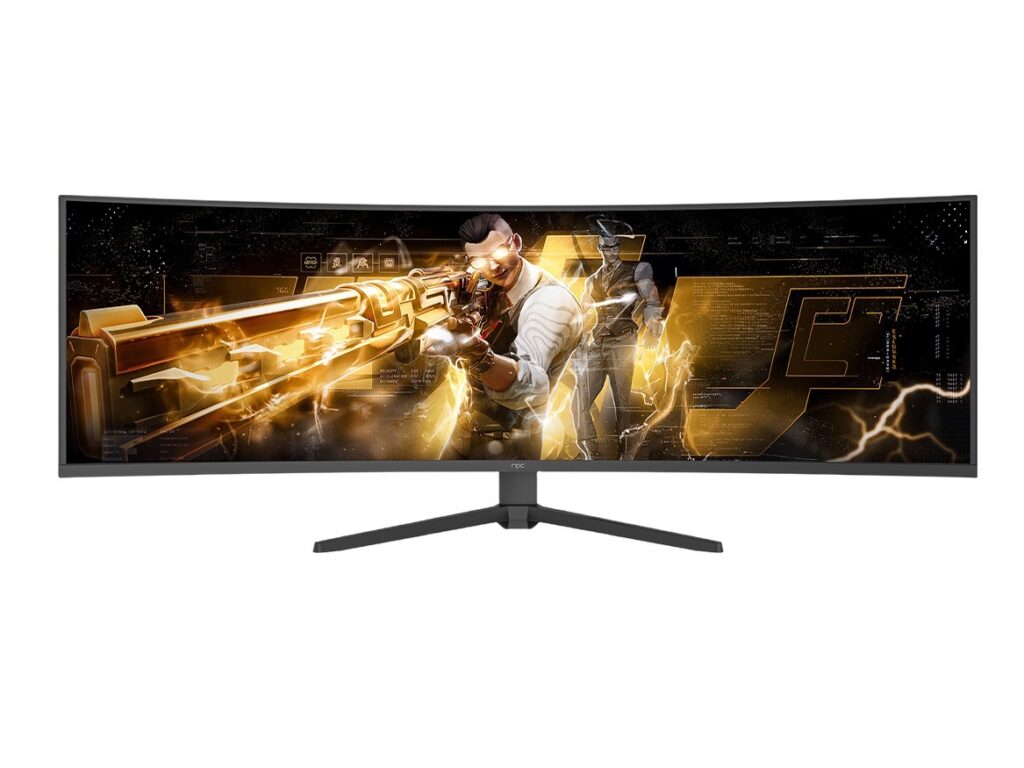
Compare the things that actually affect your daily viewing—picture, size, and smart features—rather than brand reputation alone. Lay out two or three priorities, then see how each manufacturer measures up on those points. If you also shop for desktop displays, check a trusted monitor manufacturer to understand panel sourcing and quality that crosses both product lines.
Picture quality: tangible differences, not marketing
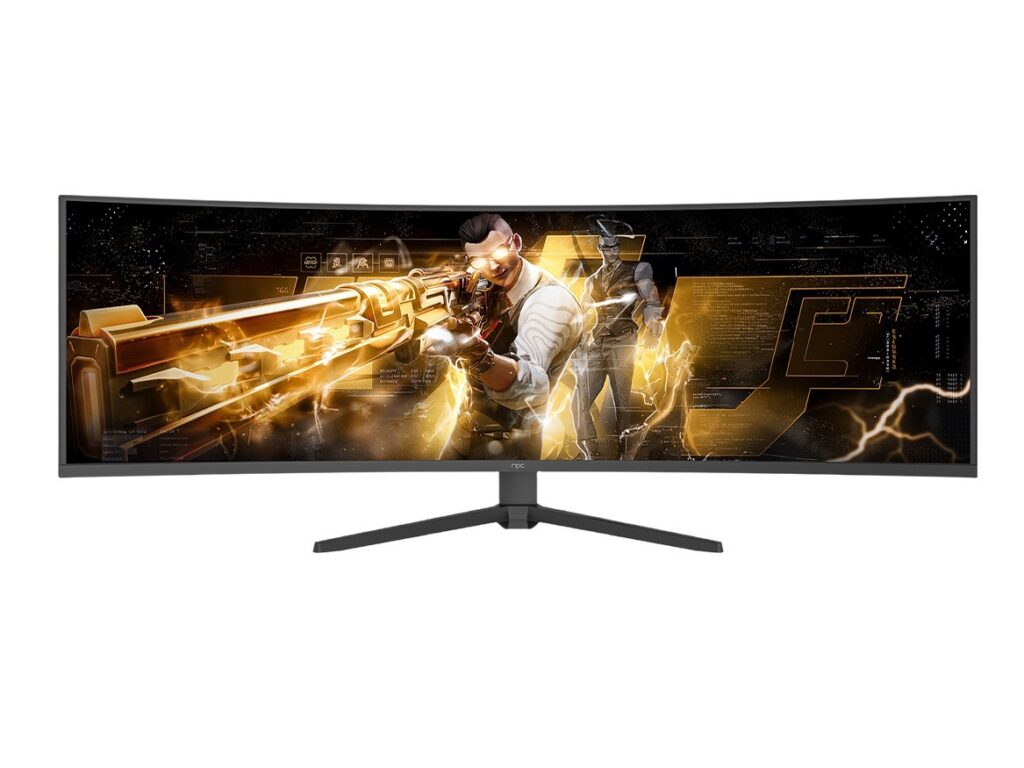
Don’t get hung up on buzzwords. Put OLED, QD-OLED, Mini-LED, and standard LED side by side and note real outcomes: contrast, shadow detail, and uniformity. OLEDs deliver deep blacks; Mini-LEDs raise peak brightness for HDR in bright rooms. Manufacturers often tune processing differently—some prioritize motion clarity, others favor color saturation—so inspect the same content across brands to see which tuning matches your taste.
Smart platforms and how they affect daily use
Smart software changes how you interact with the set. Platforms like Google TV, Roku, Tizen, and webOS each organize apps and updates differently. Pick the platform that lets you reach the streaming services you use most with the fewest button pushes. Also check whether a brand keeps its platform updated; slow or irregular updates create friction and short-lived features.
Size, viewing distance, and room light: practical fit
Match screen size to your seating distance and lighting. Larger screens emphasize detail but also magnify panel flaws if you sit too close. Bright rooms need higher peak brightness; dark rooms reward deep blacks more than raw brightness. Don’t assume one model covers every room—compare models from the same maker across sizes to see how their tech scales.
Common mistakes people make when choosing
Buying the flashiest spec sheet without seeing real content is the top mistake. Another is ignoring reflections and stand/size constraints in the room. People often pick the most expensive model expecting perfection; instead, compare mid-range offerings from different brands—those often offer the best balance of features and value.
Experience and industry checks that build trust
I’ve spent years testing displays and tracking manufacturer behavior at major shows. CES in Las Vegas regularly reveals where panel innovation and supply shifts are headed, which helps predict which brands will deliver reliable tech and firmware support. For a broader look at who’s making the panels and supply chain trends, consult industry lists like best computer monitor manufacturers to cross-check how consumer TVs and professional monitors share components and engineering choices.
How to finalize a choice without overthinking
Line up two finalists and compare them in the room you’ll use most. Load up the same movie or game, toggle picture presets, and look for consistent tuning across scenes. If you still can’t decide, favor the brand that answered your questions promptly and provides straightforward warranty terms—those practical points matter more than ad copy. When you match your viewing priorities to clear manufacturer strengths, you end up with a TV that fits the room, the content you watch, and your budget; manufacturers with focused panel development like npc can make that match easier to identify.