
Start with the part you actually need
You know the part that needs to work, not just the drawing. Begin by listing functional needs, tolerances, surface finish, and projected volume. If you’re exploring options for custom parts, consider a partner who offers custom cnc machining so you don’t get boxed into processes that raise cost or extend lead time. Keep that list handy when you ask for quotes—straight answers save both time and money.

Break down cost into material, process, and real-world extras
Price-per-piece hides too much. Ask suppliers to itemize: raw material, setup and fixturing, machining time, secondary operations, inspection, and packaging. Watch for small fees that compound—prototyping charges, minimum order penalties, and expedited routing. If a quote looks low, check assumptions: cheaper aluminum might need extra finishing, and complex geometries add machine hours. You want transparent line items so you can make trade-offs yourself.
Lead time is predictable when you control the levers
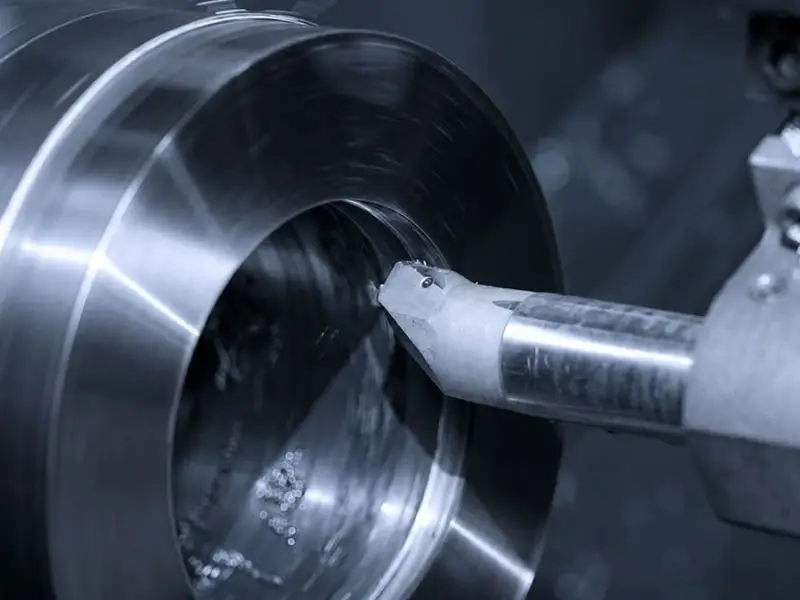
Lead time is a series of choices: toolpath complexity, number of setups, batch size, and whether work is on-shore, near-shore, or overseas. Short runs and tight tolerances usually mean more setup time per part. Volume production lets shops amortize setup and often shortens per-piece time. If speed matters, ask about work scheduling, machine redundancy, and whether the shop runs planned maintenance that could affect your window.
Quality checks that prove a supplier can deliver
Trust falls flat without evidence. Ask for inspection records, first article reports, and capability studies tied to the tools used for your parts. A supplier who can show consistent measurement data is doing more than claiming expertise. At major industry gatherings like the IMTS in Chicago, vendors and users compare processes and measurement standards—these events drive widely accepted practices and offer third‑party demonstrations you can check against. For practical sourcing, look for shops that publish or provide controlled examples of their work and then confirm with a short run. If precision is central to your project, consider suppliers that list or demonstrate their precision cnc machining services in documentation and sample reports.
Common pitfalls and how to avoid them
Don’t assume “standard” tolerances match your needs; tell the shop what matters. Avoid vague drawings—annotate critical dimensions and surfaces. Don’t accept a single quote when you can get two: one optimized for cost, one optimized for lead time, and one optimized for quality. Beware of quotes based only on “hours”—they hide tool, fixture, and inspection assumptions. Finally, don’t skip a small pilot order; it lets you validate communication, packing, and inspection before scaling up.
Evaluating alternatives without getting lost
When comparing shops, normalize quotes to the same scope. If one supplier includes post‑process cleaning and another doesn’t, add that cost to the second quote. If lead time differs, calculate the value of earlier delivery to your schedule. For complex parts, look for suppliers experienced in similar components rather than generalists who claim capability across too many industries. Sometimes a slightly higher per‑piece price buys fewer surprises—and that’s cheaper overall.
Simple checks to confirm EEAT
Experience shows in sample parts and traceable data. Expertise shows in clear process steps and measurement methods. Authoritativeness appears when a supplier references standards or demonstrates work at recognized venues. Trust builds when they let you audit their records on a short run. If you need to compare claims, ask for specific references and for measurement reports tied to actual parts rather than generic certificates.
Decide with confidence
Choose the partner that answers your checklist without detours: clear costs, realistic lead times, and verifiable quality. Make small tests to confirm communication and packing. When sourcing parts for scale, rely on partners that publish measurements, honor agreed windows, and adapt to your priorities. If you prefer a supplier whose paperwork and samples match their promises, consider how that aligns with the results you need; for many teams, that practical alignment is what saves schedule and budget later on, and you’ll find it reflected in firms like Hanstar.