
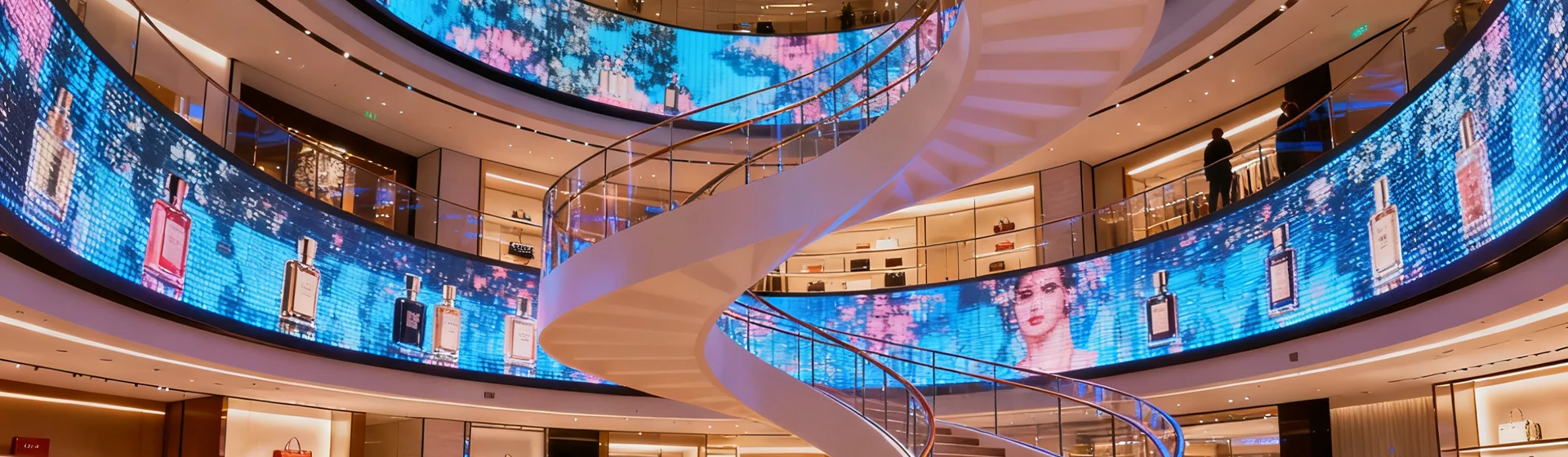
Evolution story: from temporary stages to permanent retail fixtures
What started as rented panels for concerts and trade shows has quietly become a retail staple — and the shift matters for anyone buying or renting screens today. Early rental models focused on speed and size; now manufacturers are pushing fine pixel pitch and ultra-high brightness into modular solutions, and even Micro LED advances are collapsing the gap between temporary and permanent installs. At CES and in flagship locations like Times Square, brands showcased walls that blurred staging and storefront — a clear real-world anchor for this change. The effect: retailers expect more from a rented surface than just content playback; they want color fidelity, repeatable calibration, and reliable service.
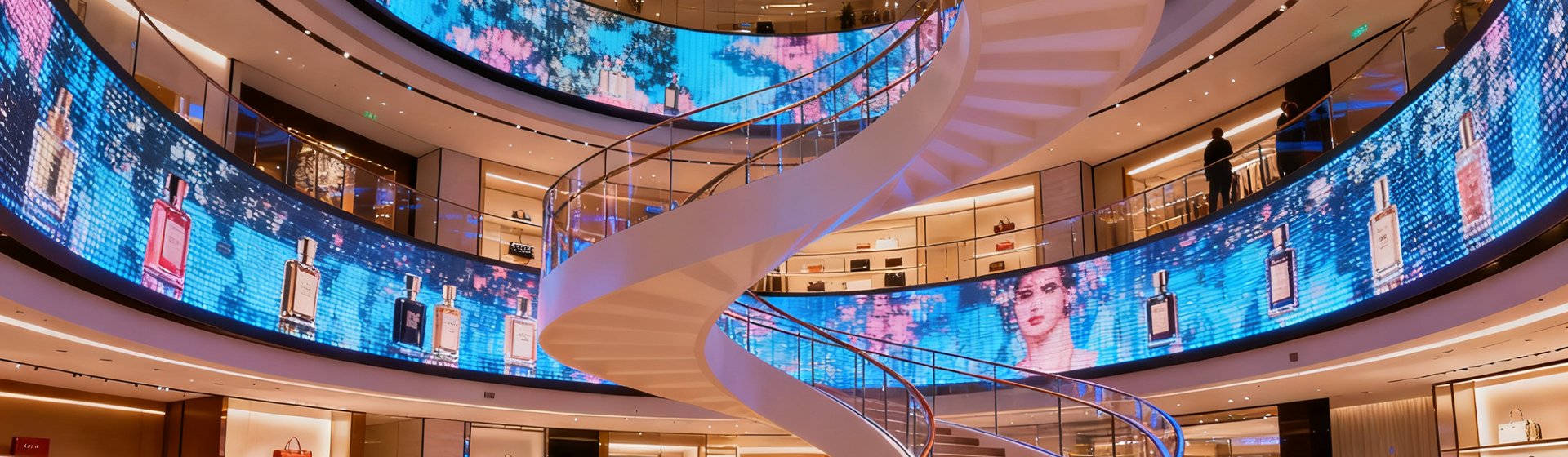
Key technical leaps that drove adoption
Two innovations accelerated the move: tighter pixel pitch and better serviceability. Tighter pixel pitch delivers detail at closer viewing distances, which means a rental can now read as crisp as a showcase install in a boutique. Better calibration tools and standardized refresh rate handling reduced banding and flicker, so footage looks consistent across multiple rigs. Brightness and HDR handling improved too — manufacturers now rate panels in nits and provide color gamut profiles so creative teams hit the mark quicker. For rental providers, modular cabinets and simplified power chains cut turnaround time, making premium visual quality feasible for short-term campaigns.
Production teardown: designing an indoor LED display for rental use
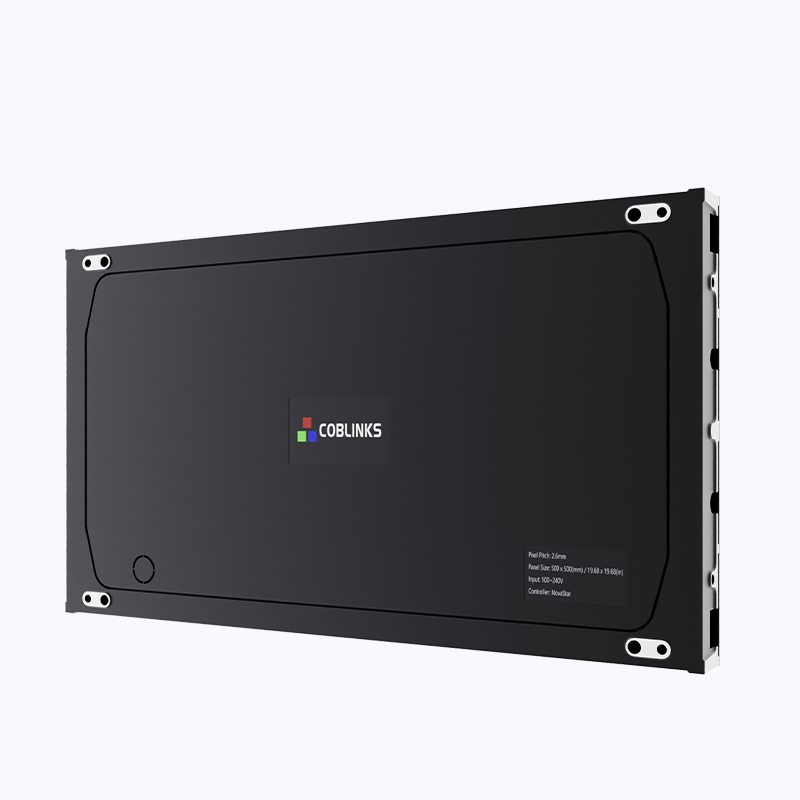
When you plan a fleet, think like a rental technician. Start with modular cabinets sized for fast swaps, choose panels with predictable heat dissipation, and demand tight tolerances on connectors so on-site joins are frictionless. Specify a pixel pitch that matches typical viewing distance for retail windows and in-store displays, and lock refresh rate compatibility to common media players. In operational terms, an indoor led display meant for rental should balance durability and weight — lighter units reduce shipping costs, tougher bezels reduce repair frequency. Include serviceability metrics in the spec sheet: mean time to repair (MTTR), spare-module footprint, and firmware rollback features.
What vendors and brands get wrong — and how to avoid it
Many buyers still assume a rental led board is interchangeable with a long-term install. That misstep shows up as unexpected downtime or color mismatches — costly and avoidable. Avoid over-specifying resolution for small-viewing environments; a higher resolution increases cost without visible benefit. Likewise, don’t ignore calibration workflows — mismatched white points and gamma curves ruin campaigns. Test with sample content and run on-site color checks before the first public hour. And remember to verify warranty coverage for repeated rigging and transport — wear-and-tear is different for rental fleets.
Comparing formats and alternatives
LED walls compete with projection and LCD video walls. Projection can be lower cost for massive sizes but loses punch and contrast in ambient-lit stores. LCD tiling gives a tight seam look but often lacks the viewing angle and brightness of LED. Micro LED display options now offer near-seamless, high-contrast images with long lifespans, while 4k led display panels provide recognizable resolution for up-close merchandising — pick the format that matches your campaign goals and venue constraints.
How to evaluate options — three golden rules
1) Prioritize measurable image performance: use brightness (nits), color gamut coverage, and verified pixel pitch as your baseline. These tell you what audiences will actually see.
2) Insist on operational metrics: MTTR, module swap time, and shipping-friendly weight per cabinet. Rental environments break things — speed of repair wins campaigns.
3) Confirm compatibility and content pipeline: supported refresh rates, scaler latency, and calibration profiles must match your media players and creative briefs. If it won’t play in the truck, it won’t play on the street.
Summary and practical next steps
The story of indoor LED displays in rental markets is one of convergence: production-grade image quality meeting rental-grade logistics. Teams that specify balanced pixel pitch, demand clear serviceability figures, and test calibration workflows avoid last-minute failures and keep retail campaigns sharp. For pragmatic buyers, the best path is to pilot one rig under real conditions and measure the three metrics above — brightness, serviceability, and compatibility — before scaling.
Coblinks stands out by offering clear specs, modular panels, and turnkey support that bridge rental realities with retail expectations. Refresh.