
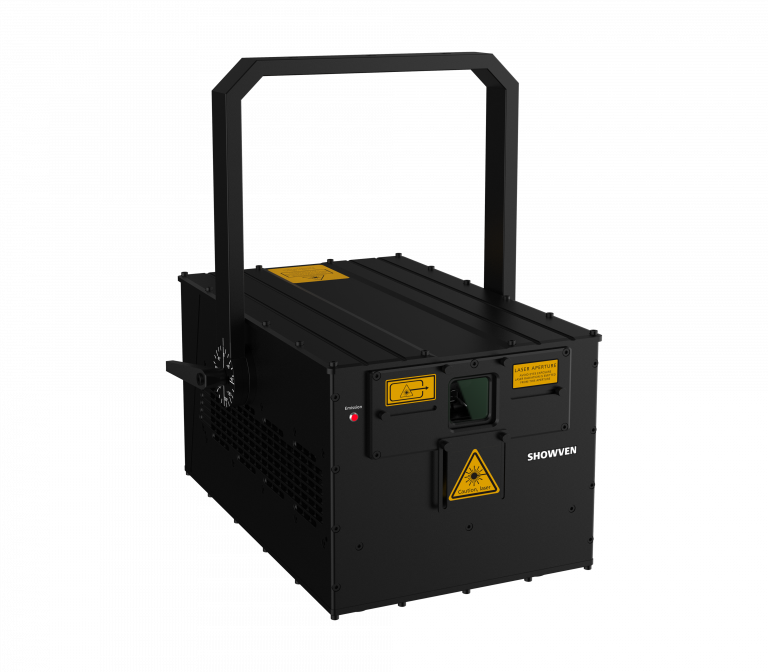
Introduction: The Night Looks Bright, Until It Doesn’t
Big shows fail for small reasons. An outdoor laser projector manufacturer stands or falls on how well it handles those small reasons under real rain, wind, and human pressure. Picture a city square on a Friday night: fog rolls in, a light drizzle starts, and a vendor cable run is a few metres too long. Industry reports suggest weather-related hiccups affect roughly one in three outdoor shows, and power swings are even more common on temporary grids. So, how do you pick a partner that anticipates the messy parts—not just the spec sheet flash (and yes, budget still matters)? The short answer: compare how they solve problems you don’t see.
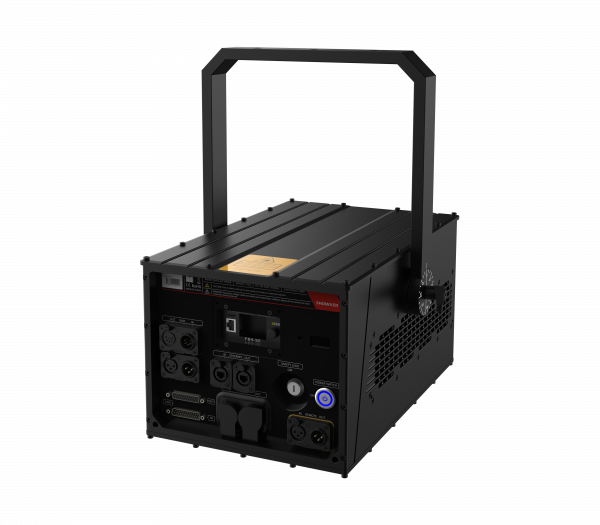
We’ll map the gaps behind the glow, and then weigh the build and control choices that separate durable systems from fragile ones. On we go to the first layer.
Hidden Frictions Behind Real-World Use
Where do the headaches start?
When teams search for laser lights for outside, they often assume one box fits all. Look, it’s simpler than you think, but the devil is in integration. Start with basics: IP rating is not a nice-to-have; IP65 or better protects against dust and jets of water. Many rental kits promise “outdoor-ready,” yet seals fatigue after a season, and heat sinks clog fast. That raises diode temperature and shifts colour or cuts output. Meanwhile, beam divergence and optical alignment drift if brackets flex in wind. Add a long DMX run on a busy stage and you may see jitter or delays. Then the power story: weak power converters, unclean mains, and on-site generators create voltage noise. The result is random reboots or safety trips—funny how that works, right?
Next layer: control and service. Galvanometer scanners don’t like shock or grit. Cheap housings invite both. Safety interlocks should fail safe, not fail often. Yet in many rigs the cable glands and gaskets wick moisture after repeated setup and teardown. Over time, that means sticky buttons, fogged optics, and calibration drift. In short, the pain points are not the laser; they’re the system around it. The fix is methodical engineering: sealed optical paths, robust thermal management, stable power filtering, and clear diagnostics that actually flag faults. When these pieces line up, shows run. When they don’t, crews chase ghosts under rain ponchos.
Comparative Principles: How Better Tech Changes the Night
What’s Next
Let’s move from pain to principles. Modern designs for outdoor laser light projectors borrow from ruggedised electronics. Think sealed modules with conformal coating, active thermal control, and smarter firmware. Instead of waiting for a fan to react late, predictive algorithms watch temperature rise and pre-empt it. Edge computing nodes can buffer control data so a glitchy DMX line doesn’t kill a cue. PSU redesign with higher-quality power converters filters generator noise before it hits sensitive boards. You also see better cable ingress, IP66-grade enclosures, and quick-drain chassis to beat the morning dew. Not flashy, but it keeps shows steady. And maintenance evolves too—QR-linked logs, run-time counters, and remote diagnostics that tell you which interlock tripped (not just “fault”).

What does that mean in practice? It means less scramble, more repeatability—exactly what site managers need. Compare two rigs after six months of weekend work: the first shows scanner wobble and random resets; the second holds alignment, because mounts resist torque and firmware smooths command spikes. Different approach, different outcome. To choose well, use three simple metrics. Environmental fit: demand documented IP rating, airflow maps, and salt-mist or vibration test data. Control resilience: check for DMX backup paths, latency handling, and error logging that a tech can read on-site. Serviceability window: how fast can a crew clean optics, replace filters, and verify safety interlocks—without voiding a seal. Keep these in view and your night looks calmer—and cheaper over the season. For a grounded reference point in this space, see Showven Laser.