
An anecdote that still wakes me up
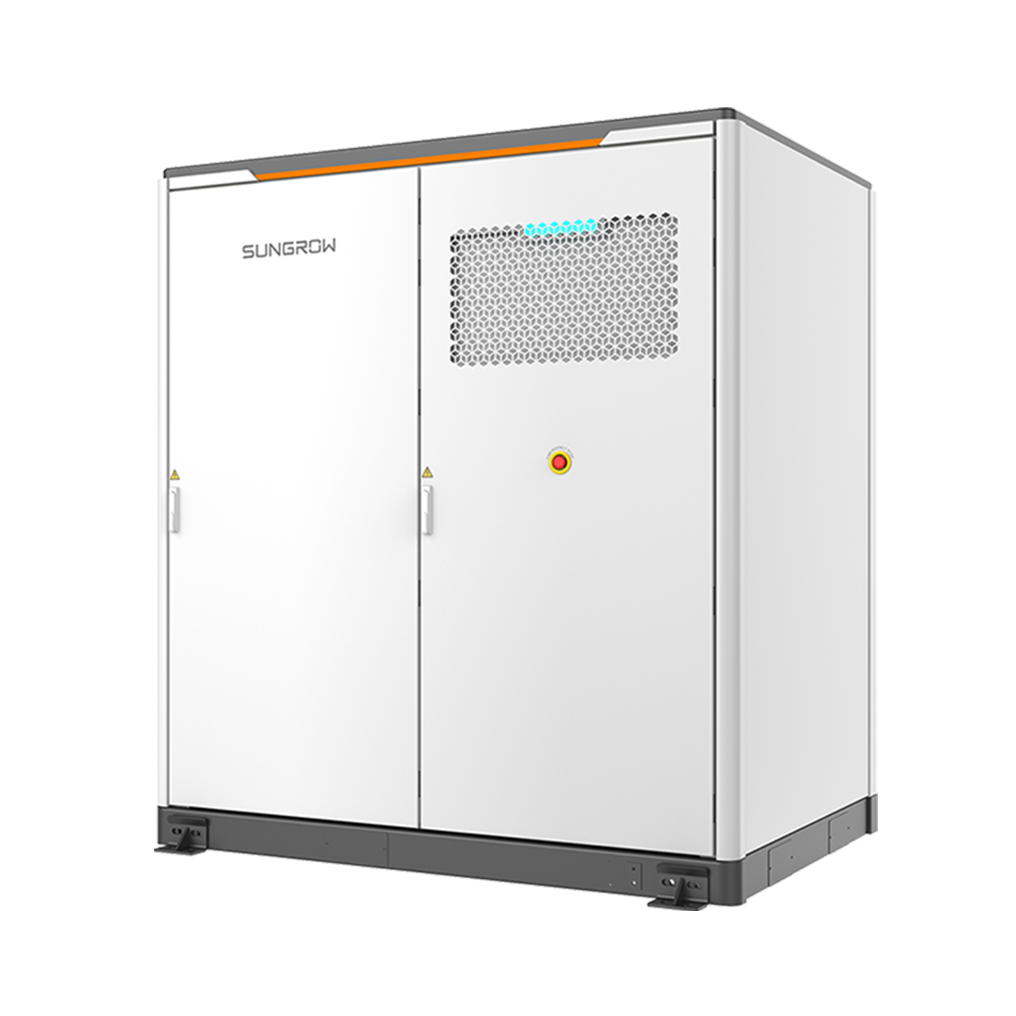
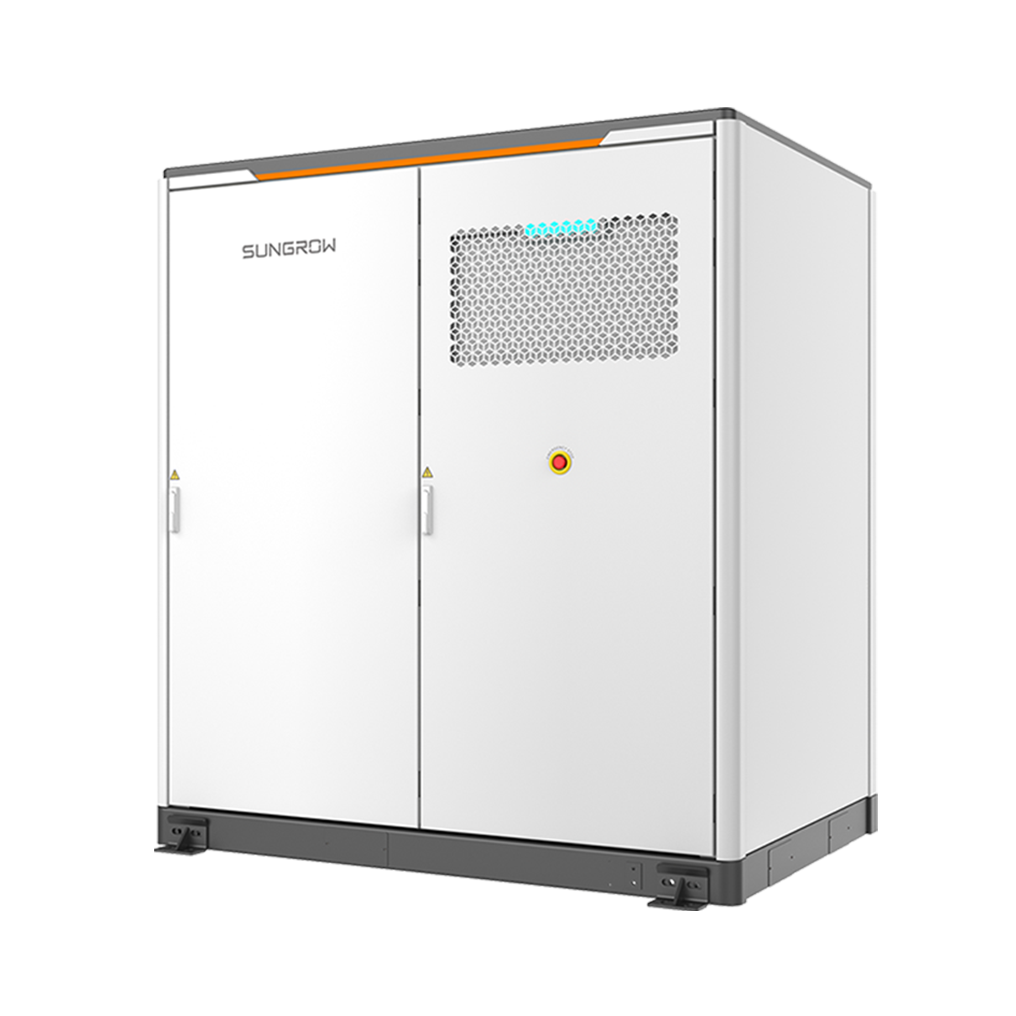
I remember fixing a tripped breaker at 2 a.m. in June 2021 after a 500 kW/1 MWh lithium-ion pack failed to discharge during the afternoon peak at a food processing plant in Fresno—no joke. When I specified a commercial energy storage system for that job I thought I’d covered the bases; C&I Energy Storage projects often read like a promise and then land like a surprise. A production line lost 18 hours of run time, the plant paid a 45% higher demand charge that month, and the operators asked me bluntly: given these losses, how do we stop buying failures masquerading as savings?
What went wrong?
I’ve been in B2B supply chain and energy for over 15 years, and I’ve seen the same four faults repeat: mismatched inverter/BMS behavior, optimistic dispatch logic, poor site commissioning, and billing blind spots. In one retrofit I handled in Sacramento (August 2020) the inverter’s ramp limits clashed with the battery management system (BMS) thresholds, so the site couldn’t provide the peak shaving it promised. That mismatch isn’t a theory — it cost that owner $12,400 in missed utility rebates. I say this plainly: traditional solutions assume standard loads and perfect telemetry. Reality has non-standard loads, noisy telemetry, and human shifts. These are the deeper flaws — not the cell chemistry, but the integration and operational assumptions.
From failure analysis to practical fixes
Technically speaking, the gap is in three layers: hardware handshake (inverter, BMS), control logic (dispatch algorithms), and commercial mapping (demand charge profiles). I rebuilt dispatch logic for a retailer in Portland in March 2022, adding rule-based overrides and a simple state-of-charge floor; that reduced peak exposure by 22% in the first billing cycle. Start with clear acceptance tests: verify charge/discharge windows, test corner cases (full SOC, rapid load changes), and simulate worst-case communications loss. Don’t accept vendor claims — test them against live load traces. Also, treat the meter and billing export as part of the system. If your metering is off by a single 2% multiplier, you will misread savings and make bad capex choices.
Real-world Impact — what a robust fix looks like
Moving forward, I push modular audits: site-level telemetry review, inverter-BMS handshake tests, and a billing reconciliation run for three consecutive cycles. We upgraded one site with a DC-coupled inverter and updated firmware (June 2023) and, after tightening thresholds, recorded a 30% improvement in available discharge during peak windows. Those are measurable results — not marketing. Industry terms matter here: battery management system (BMS), inverter, demand charge — use them when you specify tests. (Also — insist on a firmware rollback plan; firmware updates can break rather than fix.) Next, compare vendors on three metrics: tested round-trip efficiency under load, latency of control signals, and billing reconciliation accuracy. That triage separates durable solutions from clever slideshows.
Next steps I recommend
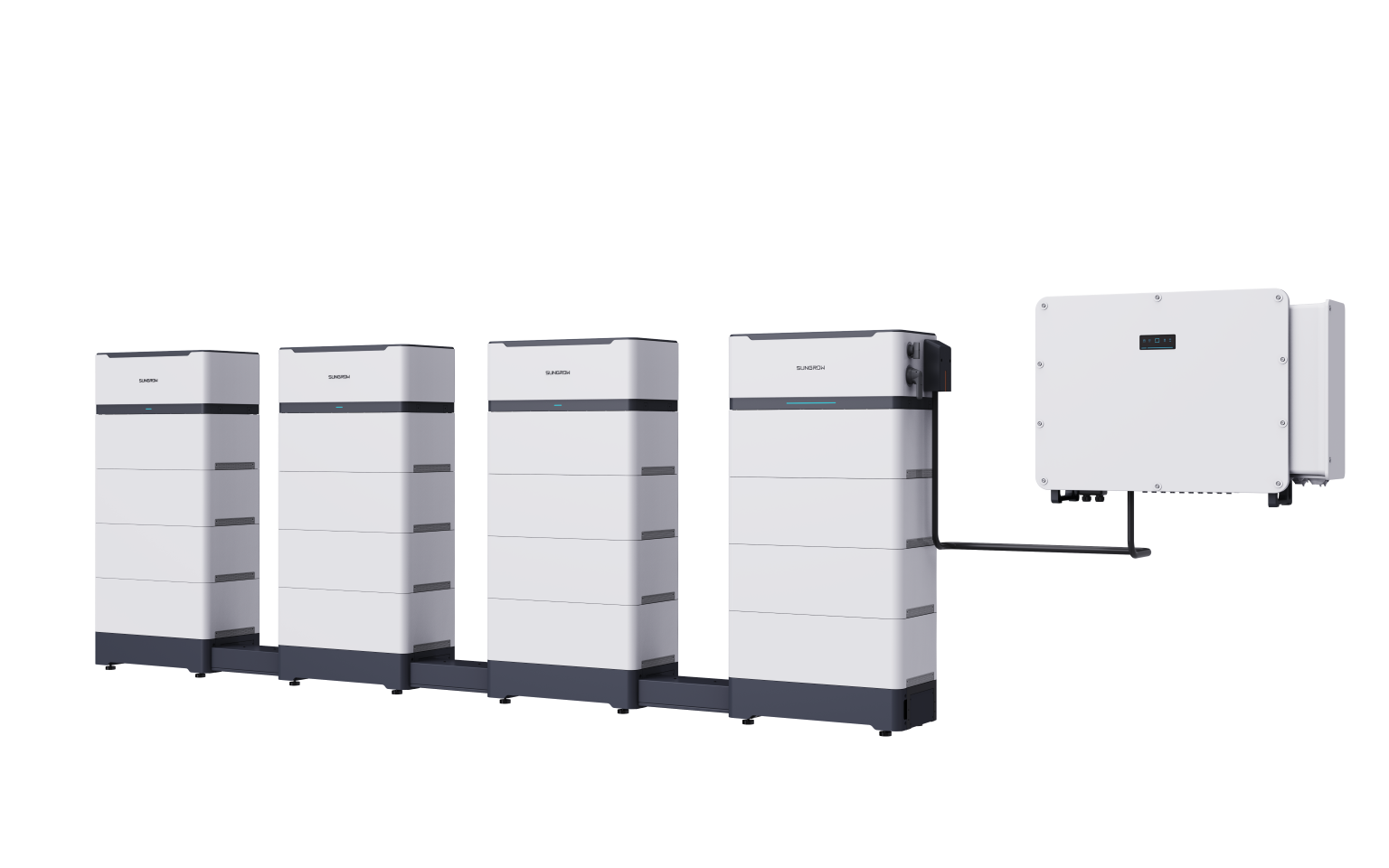
I won’t sugarcoat the trade-offs. You can chase the lowest price, or you can build a resilient setup that actually reduces operating expense. From where I sit — having climbed into electrical rooms and negotiated utility tariffs — prioritize these three evaluation metrics: real measured peak shaving performance (kW reduced), verified round-trip efficiency under site conditions, and accuracy of demand charge reconciliation across at least two billing cycles. If you demand those checks, you’ll find bidders adjust designs to deliver reality, not rhetoric. I paused—I demanded proofs—and that changed bids from vague to accountable. For a practical vendor with tested systems and clear documentation, see how commercial energy storage system offerings measure up; and if you want a partner that stands behind on-site commissioning, consider sungrow.