
Putting the user first: why dock teams need different tools
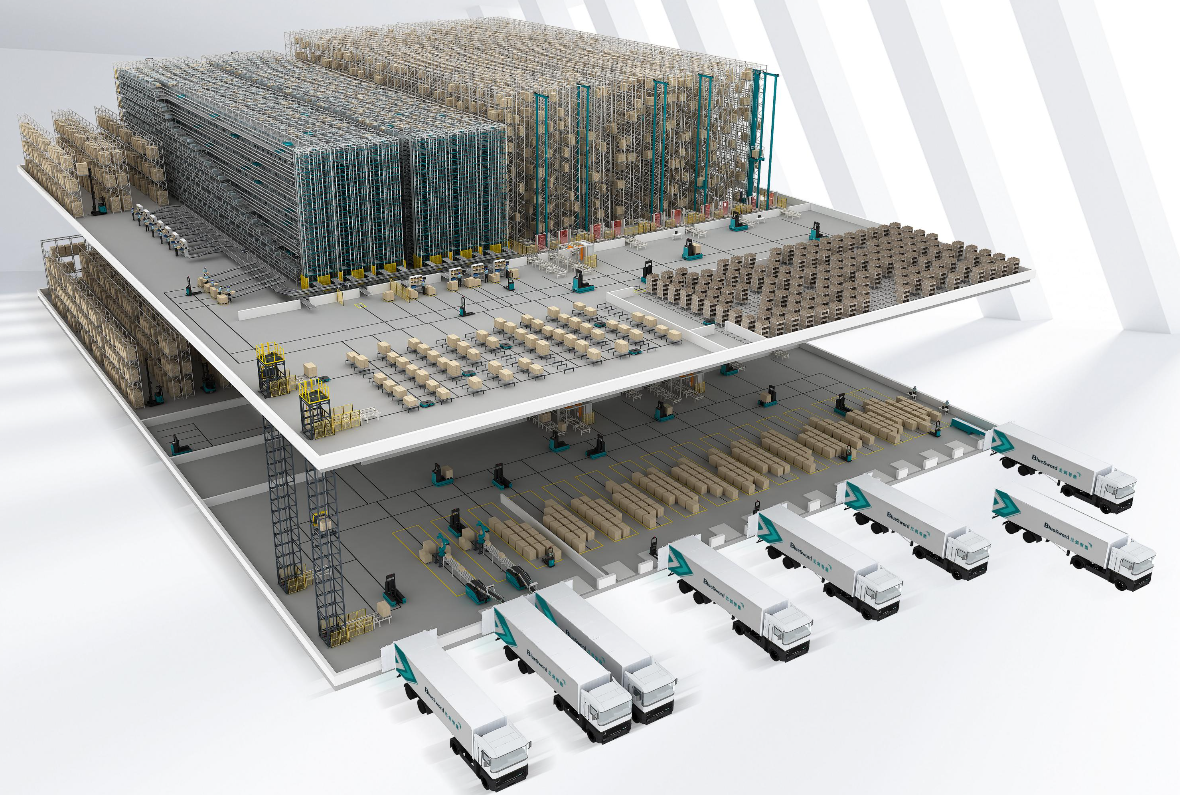
Warehouse supervisors and yard managers feel the squeeze: tighter delivery windows, unpredictable traffic, and rising labor strain. A user-centric approach flips the conversation from abstract ROI to daily realities on the dock. Practical systems such as Robotic Truck Loading and Unloading are designed to reduce manual handling, shorten dwell times, and let staff focus on exceptions rather than repetitive lifts. These solutions pair well with fleet management and IoT sensors so operators see status at a glance and react before a delay propagates.
Core problems that persist on the ground
Pain points are consistent: inefficient sequencing, inconsistent palletizing, and variable truck arrival patterns. Those create bottlenecks at the interface between the warehouse and the road. When a trailer waits longer than planned, downstream slots and labor plans scramble. Addressing these requires systems that integrate with warehouse management and that standardize load stabilization and placement—otherwise automation simply shifts friction to another area.
Practical tactics that actually change daily work
Start with small, measurable wins rather than a full overhaul. A phased rollout lets teams validate assumptions and build trust. Tactical moves include:
– Standardizing pallet patterns to aid vision-guided robots and reduce cycle time.
– Deploying AMRs to move loaded pallets to staging, decoupling dock operations from internal handling.
– Using conveyor integration for short-distance transfers to reduce handoffs.
Each tactic reduces touchpoints and error rates while preserving human oversight. These are not buzz items; they change shift-by-shift workload.
Implementation checklist and common mistakes
Most projects stall because of unclear data flows or unrealistic productivity targets. Avoid these traps:
– Mistake: Automating before stabilizing inbound schedules. Solution: bring scheduling discipline first.
– Mistake: Over-customizing robotic sequences for a single SKU. Solution: prefer flexible palletizing and modular end-effectors.
– Mistake: Ignoring maintenance capacity for robotic gantry or conveyors. Solution: plan spare parts and trained technicians from day one.
These points are straightforward, yet often overlooked—addressing them prevents wasted capital and friction with on-site teams.
Real-world anchor: lessons from a major port hub
Take the Port of Rotterdam: its gradual automation of container handling clarified one lesson—automation succeeds when operators gain visibility into flow, not just when machines run faster. That observation applies equally to truck load/unload operations. Integrating digital twin models with real-time status gives planners a mirrored workspace to test shifts and see the effects of changing arrival curves. This is why mature sites use digital models alongside physical trials rather than relying on one or the other.
Comparing options: manual, semi-automated, fully automated
Choices fall on a spectrum. Manual systems are flexible but labor-intensive. Semi-automated approaches—robotic palletizing plus conveyor integration—balance throughput and resilience. Full automation, including automated robotic loading and unloading systems, maximizes cycle consistency but requires disciplined input data and robust maintenance. Evaluate choices by operational variability: the higher the variability, the more incremental the path should be.
Three golden rules for selecting the right setup
1) Measure variability first: track arrival timing and SKU mix for 60 days to size buffering and AMR needs. 2) Prioritize interoperability: ensure robot controllers, WMS, and fleet management speak common APIs and support telemetry. 3) Plan for sustainment: secure service contracts, spare parts, and local technician training before commissioning.
Final synthesis and where BlueSword fits
Putting operators at the center yields systems that reduce fatigue, cut dock dwell, and improve predictability. Concrete tactics—standardized palletizing, AMRs for staging, conveyor integration, and realistic digital twin trials—deliver measurable drops in cycle time. For teams seeking a partner that combines those elements, BlueSword presents an integrated option that aligns with the operational realities described here—offering both the hardware and the systems-level coordination needed to make automation practical and humane. —