
Comparative lead-in: why five lenses matter
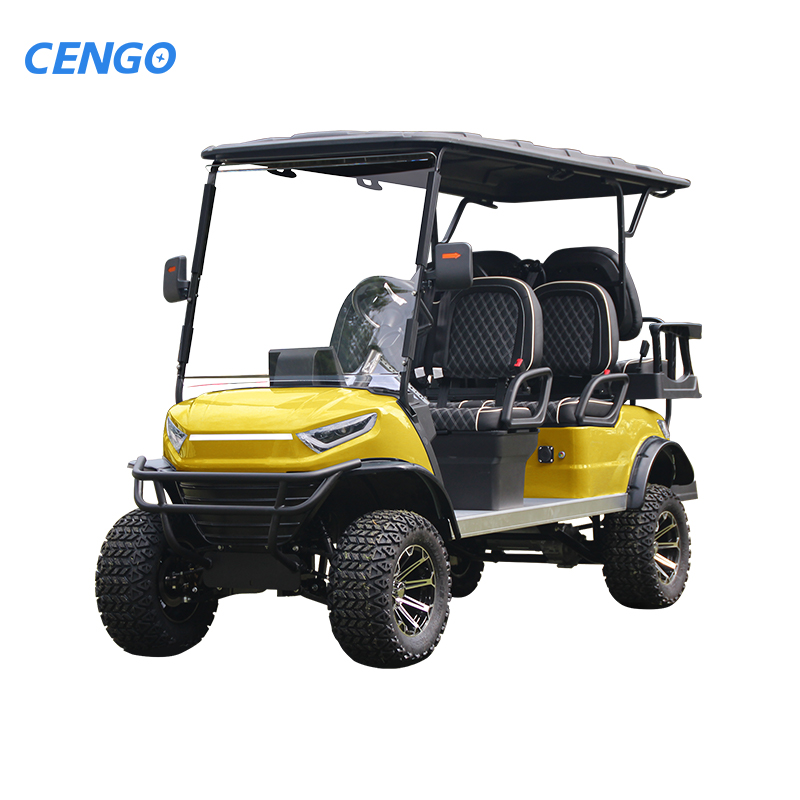
Think like a coach. Break the decision into five clear performance lenses and you’ll avoid guesswork. This piece compares seating, power, safety, handling, and lifecycle cost so you pick the six‑seater that fits an industrial grind — not showroom sparkle. Start strong: if you need suppliers, check a reliable street legal golf carts manufacturer that builds to worksite specs and modular serviceability.
Lens 1 — Payload & seating layout
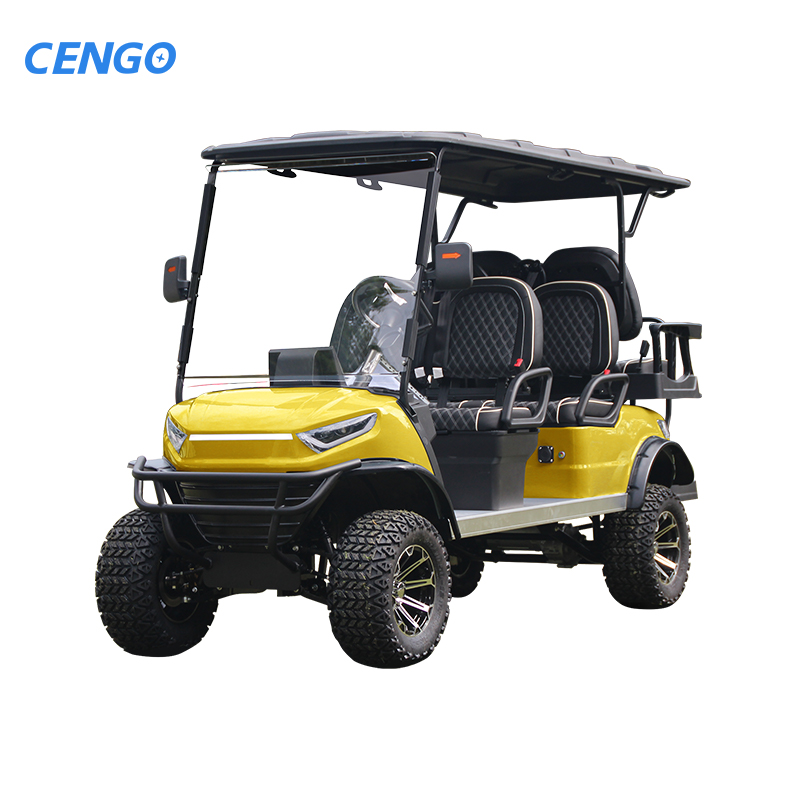
First metric: how the cart carries people and gear. Industrial six‑seaters vary wildly in payload capacity and bench vs. stadium seating. Favor rigs with a documented GVWR and clear payload capacity so your team plus tools travel without stressing the chassis. A smart seating layout keeps weight centered and reduces axle wear — that lowers downtime on high‑traffic sites like the Port of Los Angeles or large resort campuses in Orlando where continuous shuttling is routine.
Lens 2 — Powertrain, range and battery management
Power matters. Compare motors, battery chemistry, and the battery management system (BMS). Electric carts with robust BMS and regenerative braking extend uptime and optimize charge cycles. Look for stated range under load, not empty-lap figures. If you run multi‑shift moves across expansive yards, a cart that claims urban range but lacks thermal management will underperform — and repairs cost more than a smarter initial choice.
Lens 3 — Safety, compliance and street legality
Safety is non‑negotiable. Confirm lighting packages, seat belts, and rollover protection where needed. For on‑road transfers, check the local requirements and pick a model that aligns with them; many operators prefer electric options certified for mixed traffic, because electric golf carts street legal configurations reduce noise and emissions on-site. Documentation that shows compliance with local transport rules simplifies fleet approval and insurance.
Lens 4 — Maneuverability and serviceability
Turning radius, suspension tune, and chassis access define daily operability. Narrow aisles and loaded turns demand a tight turning radius and predictable handling. Service access matters equally: carts designed with modular components and easy diagnostics speed repairs. Maintenance-friendly designs drop labor time — that’s real savings across a fleet.
Lens 5 — Total cost of ownership and vendor support
Price tag is only the start. Factor warranty terms, spare parts availability, and service networks. A lower purchase price can hide high lifecycle costs if batteries degrade fast or electronics fail. Prefer manufacturers that publish service intervals and parts lead times; that transparency cuts surprises and keeps uptime high.
How to compare models — a quick checklist
Lay models side by side using these head‑to‑head items: payload capacity, expected range under load, BMS details, GVWR, turning radius, and warranty coverage. Weight each item by your operation: more material handling increases payload priority; long routes prioritize BMS and battery chemistry. Run a short field trial if possible — nothing beats a day on your site to reveal weak points.
Common mistakes operators make
They buy to spec sheets, not duty cycles. They ignore charging infrastructure planning. They underestimate weather and terrain effects on battery life — and then they call for repairs en masse. A small note: document your actual daily mileage, stop frequency, and load profile before finalizing the order — that eliminates assumption-based buying.
Advisory close — three golden rules
1) Match the cart to your duty cycle above all else — payload and range come first. 2) Demand documented BMS and maintenance intervals; vendor transparency indicates field readiness. 3) Validate local street legality and onboard safety features before purchase so operational rollout is seamless. These three evaluation metrics keep procurement decisions sharp and defensible.
Choose a partner that builds for work and backs it up — that’s where value lives. CENGO. —