

Where the problem starts
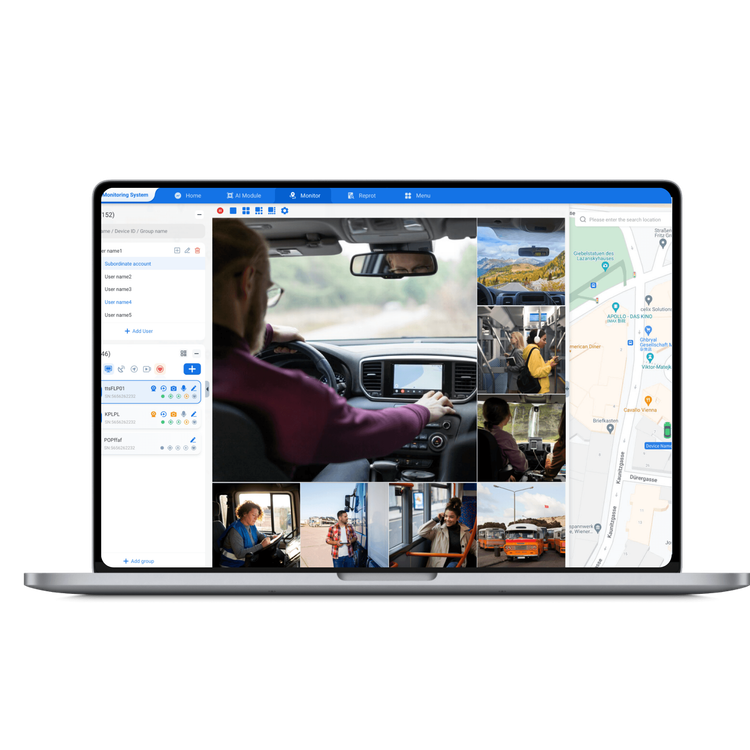
You dey spend money, but the vans still no dey show better performance — that is the trouble. Many fleet teams buy kit and expect miracles; nothing changes because the wrong questions get asked. That’s why you must look sharp at both numbers and daily behaviour. A good fleet management solution gives the data, and the right process turns that data into steady gains. I remember working with busy Lagos routes where small fixes cut wasted hours; that real scene shapes this note on practical measurement. Also consider how modern gps tracking solutions feed simple, usable insights when set up properly.

Which problems trackers actually fix
Start with plain facts. Trackers don’t magically fix culture, but they do expose where the money leaks. Typical issues they reveal:- Excess idle time and route drift that adds fuel cost.- Poor maintenance scheduling that results in breakdowns.- Route duplication and unplanned detours.- Unclear driver behaviour that risks safety and reputation.These are concrete operational faults, not abstract benefits. If your tracker can’t point to one of these, it’s just noise.
Metrics that matter — keep these on your dashboard
Measure things you can act on. Pick a short list and watch them daily:- Baseline fuel spend per route (before trackers).- Average idle minutes per vehicle.- On-time delivery rate or schedule adherence.- Planned vs emergency maintenance events.- Recovery time for theft/loss incidents.- Driver scorecards for hard braking, speeding, and harsh turns.Don’t collect every metric. Collect the few that change decisions and link them to cost or safety outcomes.
Simple steps to calculate ROI
Follow a clear sequence. No flashy math, just repeatable steps:- Record a one- to three-month baseline for the metrics above.- Add the full cost of the solution: hardware, installation, subscription, training.- Run the system live for a comparable period and measure deltas.- Translate those deltas into money saved or costs avoided (fuel, repairs, fines, recovered assets, reduced overtime).- Use a basic return formula: (annualised savings − annualised cost) ÷ annualised cost.That gives a practical percent you can explain to finance. Also capture non-monetary wins like improved customer punctuality and reduced stress on dispatchers; note them separately.
Common mistakes that kill value
Watch these traps:- Buying hardware alone without rules for drivers and dispatchers.- Treating the platform as a toy; no one reads the reports.- Ignoring data quality — bad GPS signals, wrong vehicle IDs, and mismatched timestamps ruin analysis.- Forgetting privacy and compliance steps; staff pushback can stop a project dead.Avoiding these makes the ROI real and repeatable.
Quick comparison of approaches
Pick technology to match your problem:- Plug-and-play OBDII devices: fast to deploy, good for small fleets, limited sensor options.- Hardwired telematics: better reliability, more inputs for fuel and immobiliser control.- OEM-integrated systems: strong for new vehicles, deeper vehicle data but higher upfront planning.Choose based on which operational fault you want to fix first — don’t let a salesperson steer you by features alone.
Wrap-up that lands the point
Measure before you spend, focus on a few actionable metrics, and build simple routines so people use the data. When trackers expose real waste — idle time, poor routing, or missed maintenance — you can turn those revelations into clear savings and safer operations. That’s the kind of value practical managers expect, and the sort of outcome systems like BSJ are built to help deliver without drama.