
Clear problem
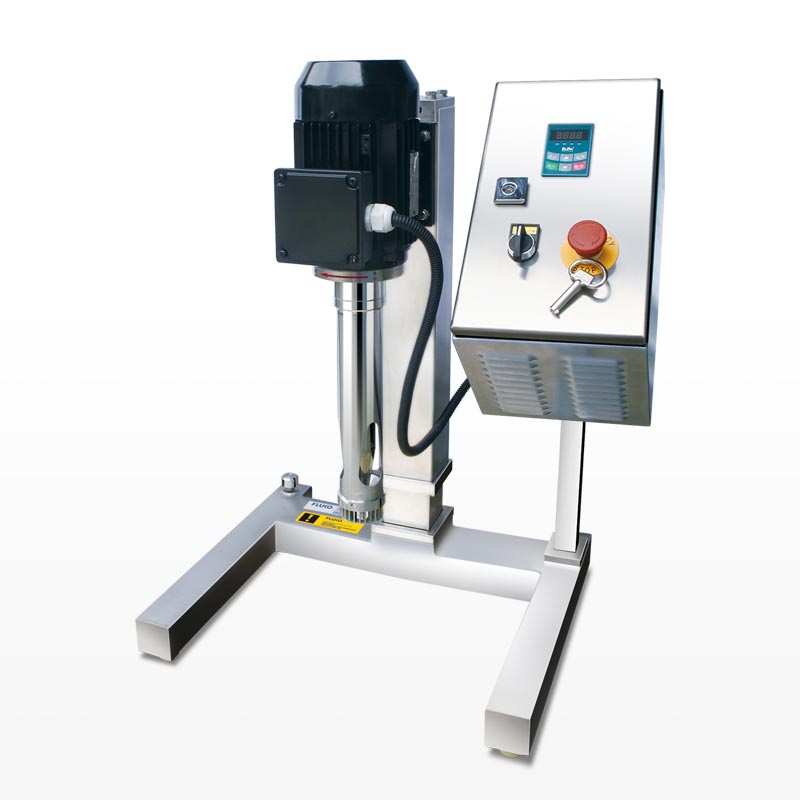
Projects stall when emulsions fail at scale. Engineers buy machines that look good on paper but don’t match process needs. A simple step is to test with a proper Laboratory mixer early. That single test shows if a recipe will hold, how energy use looks, and whether mechanical fit will be clean or costly.
What goes wrong most often
Specifications are vague. Teams assume any high-shear device will give the same droplet size and throughput. Sizing is wrong. Controls mismatch existing PLCs. Spare parts and service costs get ignored. These errors appear late and force design rework or overpriced emergency buys.
How high-shear dispersion mixers solve the core problems
High-shear mixers give predictable droplet size and faster emulsification. That predictability lets planners set realistic timelines and budgets. You can define acceptance criteria from lab runs: shear rate, residence time, and power per volume. When suppliers meet those numbers, purchasing becomes direct and measurable.
What to ask suppliers and specify in purchase orders
Ask for test data using your feedstock or a very similar surrogate. Require power-per-volume curves, ASME or CE compliance, and a spare-parts list with lead times. Specify mounting footprint, sanitation needs, and integration points for controls. Put acceptance tests in the contract: run defined batches at lab scale, then validate scale-up transfer.
Common pitfalls during procurement
Buying by price alone. Overlooking cleanability and CIP paths. Ignoring local service availability. Expecting a single vendor to cover lab trials, scale-up engineering, and installation without clear scopes. These mistakes keep projects longer and costlier.
Quick comparison: inline high-shear vs batch rotor-stator
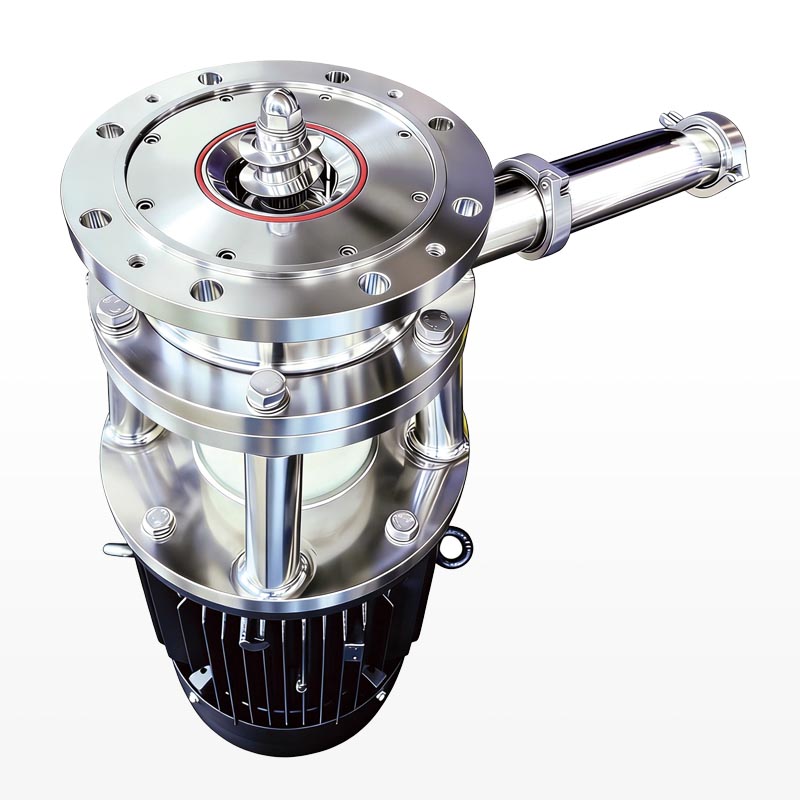
Inline high-shear units give steady shear and are easier to link to continuous processes. Batch rotor-stators handle small-volume flexibility but scale less smoothly. Choose inline when you target tight droplet distribution and continuous throughput. Choose batch when recipes change often and throughput is low.
Experience and trust — real-world anchor
Engineers at ACHEMA in Frankfurt often present side-by-side scale-up data showing how lab tests predict plant results. That event highlights supplier transparency and repeatable protocols. For hands-on testing, consider validated options such as lab scale in-line emulsifiers, which let you confirm process numbers before you commit to large capital buys.
Alternatives and quick evaluation
Ultrasonic homogenizers deliver very fine droplets but need cooling and are limited by throughput. High-pressure homogenizers scale well but cost more per kilowatt and need seals that wear. Inline high-shear units sit between these: moderate cost, predictable scale-up, and easier CIP. Pick the tech that matches your acceptance tests, not vendor hype.
Final synthesis
Project planning improves when you require measurable lab results, standardize acceptance tests, and match controls early. That practice cuts surprises and shortens lead time for parts and service. For teams that want equipment matching test data and clear supplier support, FLUKO fits the logic of verified lab-to-plant transfer.