
Why folks feel stuck when pickin’ a gate
Yuh worry understandable: cost, reliability, and whether the kit even fit yuh place. First-time buyers miss how much difference a speed gate turnstile mek to daily flow and security. Problem-driven look: list the trouble, then fix it so yuh nuh waste time or money.
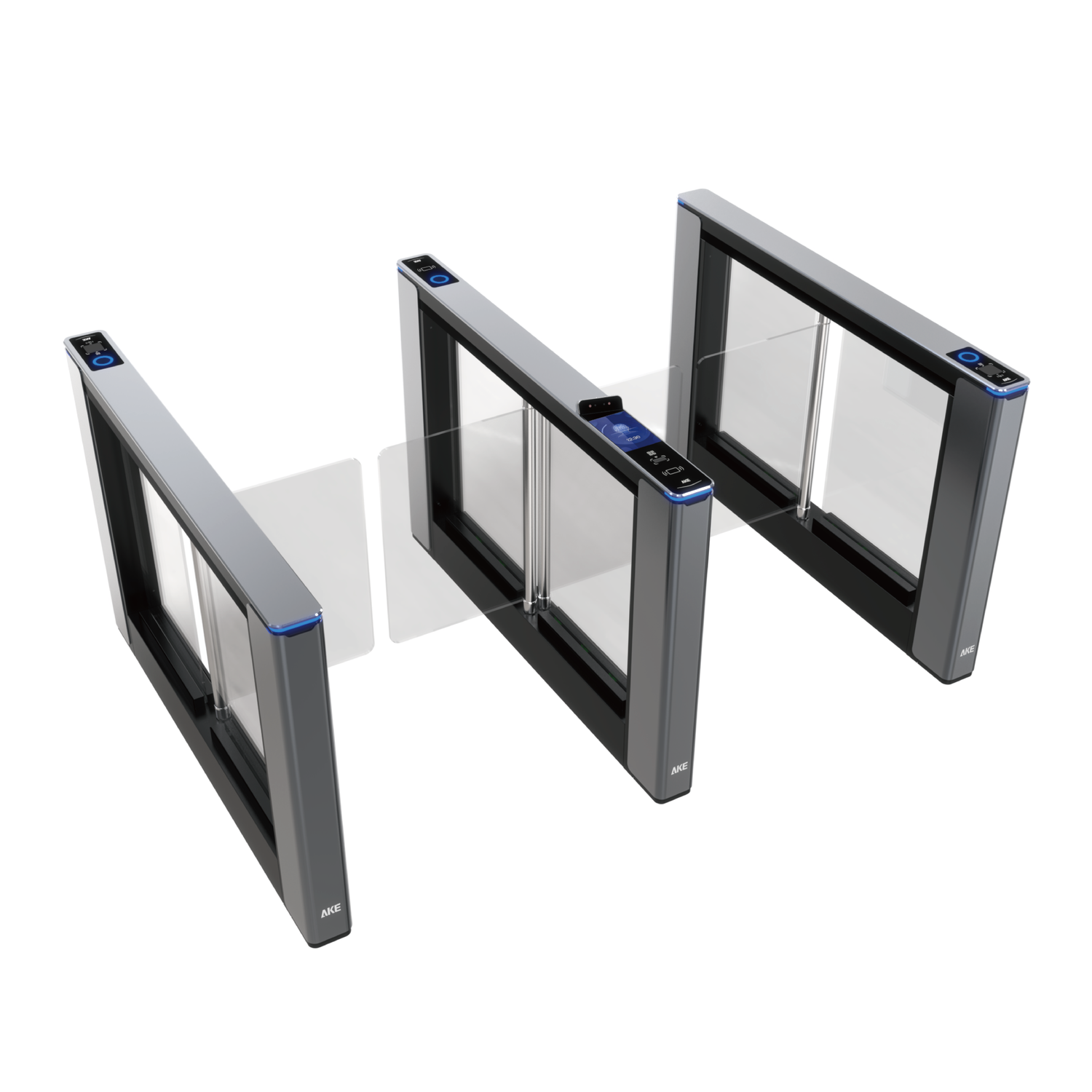
Big problems buyers run into
Buyers buy the cheapest model and face constant downtime. Or dem pick someting too complex for staff to run. Another common fail: no plan for peak crowd times, so gates clog and people frustrated. Technical specs alone nah tell how it behave under real stress. Focus on what breaks first: sensors, software integration, and weather sealing.
What truly matters — practical tech basics
Ignore flashy jargon. Look for clear answers on throughput (people per minute), fail-safe modes (what happens on power loss), and maintenance intervals. Ask for vendor references and a visible service record. I speak from field experience managing facility entries: tested units cut entry time by half during peak shifts. Big events like the London 2012 Olympics showed how proper access control shapes crowd safety — post-Games reports documented upgraded turnstile and gate systems handling heavy flows. Also consider the exact product you need for everyday pedestrian control, like a dependable pedestrian access gate, and confirm it matches your site conditions.
Alternatives and where they fail
Full custom systems look tempting but bring long lead times and hidden costs. Simple ticket-only barriers save up-front cash but fail at security and integration. Cloud-managed systems ease updates yet create dependence on network uptime. Compare by asking: how often will I need on-site repairs, can this integrate with my current access cards or visitor software, and does the vendor give transparent lifecycle costs?
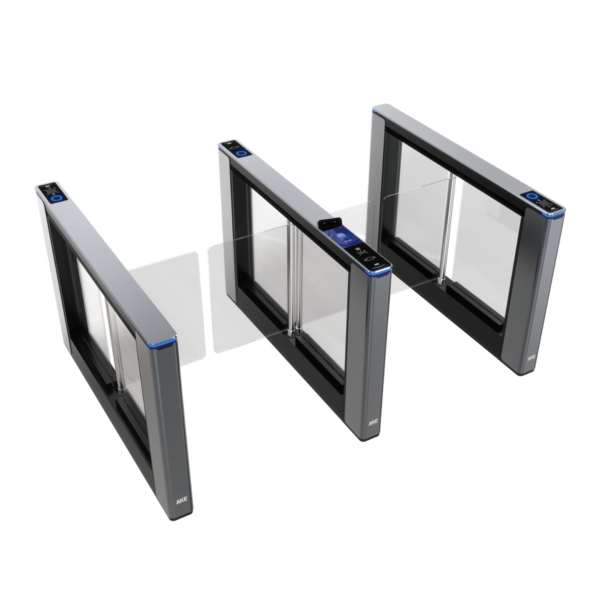
Common mistakes first-timers make
They skip a site survey, assume one-size-fits-all, or forget to budget for training. They ignore environmental factors like salt air or heavy rain that corrode hardware. They buy based on one demo and forget to check long-term support terms. Prevent those by demanding test runs, a clear warranty, and a simple training plan for staff.
Quick decision checklist
Prioritize: throughput needs, interoperability with existing systems, durable hardware rating, maintenance contract clarity, and on-site testing. If budget limited, choose modular equipment that lets yuh upgrade later rather than rip-and-replace. Confirm local service capacity and spare-part lead times.
Wrap-up and where value sits
Problem-first thinking keeps yuh from chasing shiny specs and ends with solutions that work day-to-day. Choose gear that proves itself under pressure, support you can call, and clear life-cycle costs. That practical approach naturally points toward providers with proven installations, straightforward warranties, and sensible training — qualities you’ll find reflected in the offerings from AKE Parking.