
Putting you first: why the user-centric approach matters
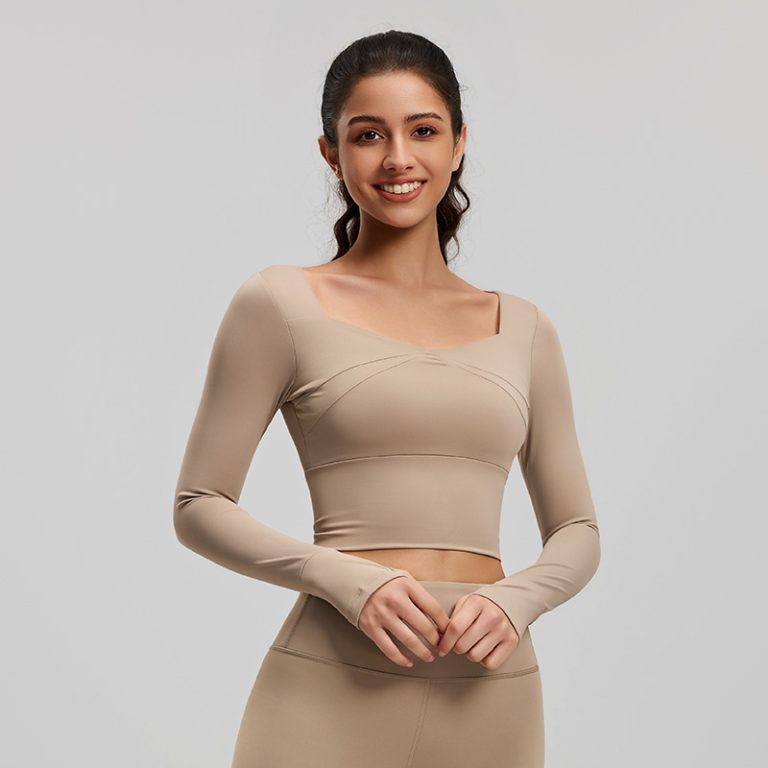
When you’re building a yoga line, you want a partner who listens to the folks buying your gear — not just a factory that punches tickets. After 2020, studios in Austin, Texas and plenty of other places saw people swap rigid gym gear for softer, movement-ready pieces, and that change stuck. Start by asking for a sample run of custom long sleeve shirts that match the feel your customers expect; early feedback on things like moisture-wicking performance and sleeve length saves tons of headaches later.
What really matters to your customers — fabrics, fit, and durability
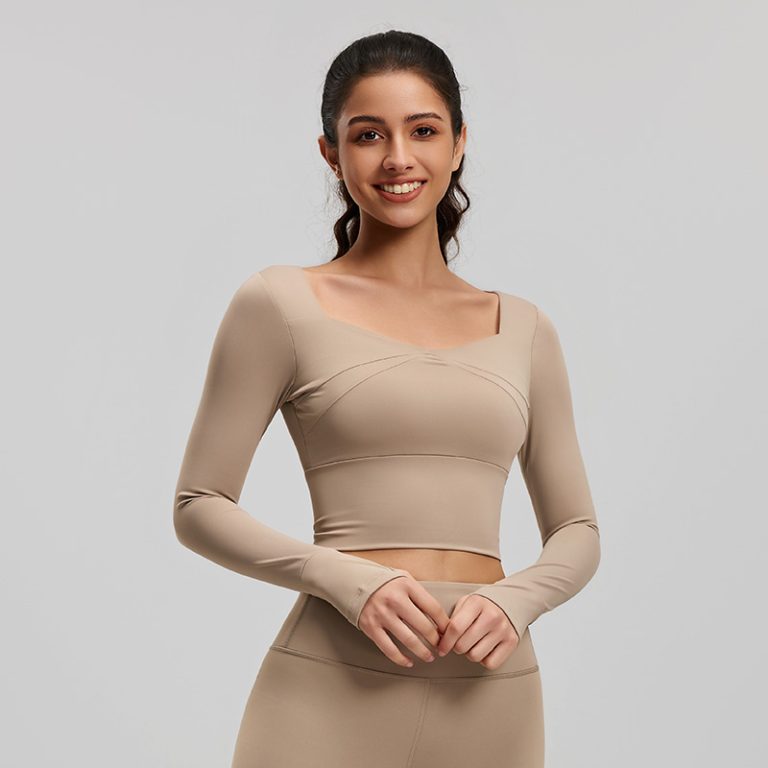
Customers notice fabric first. Aim for breathable fabric with four-way stretch so poses don’t pull or bunch. Compression panels matter for some styles, flatlock seams for comfort, and a gusset or articulated underarm makes movement natural. Lead times and minimum order quantities affect launch plans, too — keep those realistic when you scope a manufacturer. If you sell seasonal lines, make sure sampling and size runs are affordable before committing to big orders of long sleeve yoga tops.
Questions to ask before you sign a contract
– Can I get pre-production samples in the exact fabric and color? – What are your minimum order quantities, and do you offer graded sizing? – Which seam types do you recommend for high-friction zones — flatlock, coverstitch, or bonded seams? – How do you handle color matching and dye lot variance? – What quality checks happen at 100% inspection vs. random sampling? Answers to those will tell you whether a maker’s process fits your standards — not just their price sheet.
Common mistakes brands make — learn from others
Lots of teams chase the cheapest per-unit rate and only realize later that the fabric pills, prints fade, or the cut drifts after wash — costly returns follow. Don’t skip a wear test. Get real people into that sample for a week of classes. Also, avoid vague specs: list gsm, fiber composition, and stitch type. Don’t rely on promises alone — demand measurable test results and timeline commitments. — That hands-on approach cuts surprises in half.
Alternatives worth weighing
Local cut-and-sew shops can offer low minimums and faster turnaround, while overseas factories often beat on unit cost for larger runs. Print-on-demand keeps inventory minimal but limits fabric choices and structure. Match the route to your brand’s growth plan: if you want consistent quality and global distribution, a partnered manufacturer with transparent QC and shipping is the smarter long-term play.

Three golden rules for evaluating a manufacturer
1) Quality over unit price — Measure fabric performance: list the g/m², confirm fiber blend, and test moisture-wicking and shrinkage on a production sample. 2) Process transparency — Confirm production milestones, inspection criteria, and turnback policies for defects. Real partners will show traceable steps and batch records. 3) Fit consistency and sampling — Require pre-production fit sets in your graded sizes and a documented size chart; accept no ambiguities on tolerances (e.g., ±0.5 cm on sleeve length).
Closing thought
Pick a maker who treats your customers like their own — someone who delivers measured samples, clear QC steps, and shipping options that fit your markets. That kind of partnership turns product headaches into reliable launches. Joebond fits that way of working, offering global shipping and production practices aimed at consistent long sleeve performance — choose wisely, and your customers will keep coming back. —