
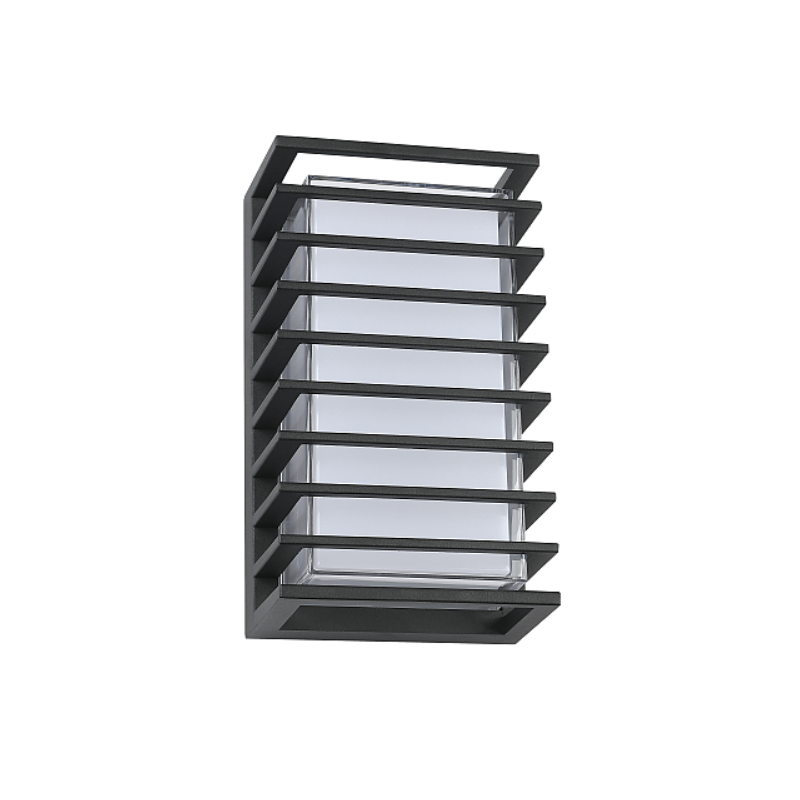
The problem hotels face when exterior lighting is treated like retail
Hotel developers juggle competing priorities: guest safety, brand image, operational cost, and regulatory compliance. The mistake many make is assuming a decorative retail fixture can satisfy all four. In reality, retail-grade lights often lack robust ingress protection, consistent lumen output, or reliable motion control logic — and that mismatch shows up as uneven walkway illuminance, premature corrosion, and higher lifecycle costs. For projects aiming to balance ambience with performance, specifying true architectural-grade, motion-sensor outdoor wall fixtures — and integrating them with modern led outdoor lighting strategies — solves a set of interrelated problems rather than masking them.
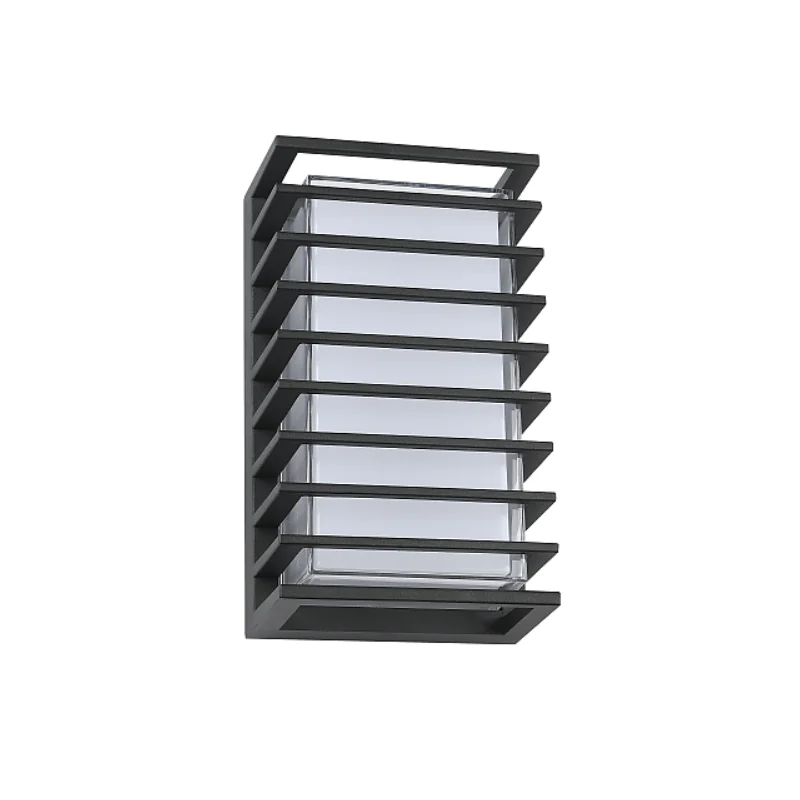
Core technical differences that drive developer decisions
Architectural-grade units are engineered for continuous service, not weekend use. Expect features such as higher IP ratings (IP65+), die-cast aluminum housings with marine-grade powder-coat, integrated occupancy sensors with adjustable timeout, and surge protection for commercial electrical environments. Retail fixtures tend to prioritize appearance and price: lower ingress protection, separate add-on sensors that complicate wiring, and variable lumen maintenance. The practical result? Architectural fixtures maintain target lux levels longer, reduce maintenance trips, and provide predictable color rendition (CCT and CRI) that preserves a luxury brand’s visual intent across façades and entryways.
Real-world anchor: sustainability and certification pressures
LEED and other green building standards increasingly reward lighting controls and energy reductions; hotel projects pursuing certification often need to demonstrate control strategies for exterior lighting. In major markets like New York and London, municipal guidelines also emphasize light trespass reduction and dark-sky-friendly cutoffs. Those requirements are hard to meet with off-the-shelf retail fixtures. Developers who plan for integrated motion-based controls and dimming from the outset find it far easier to meet compliance and record measurable energy savings — and to show auditors that exterior lighting is part of the hotel’s operational strategy.
Operational costs: why upfront spec pays off
Choosing the wrong fixture creates a cascade of hidden costs: more frequent lamp replacements, sensor failures, repainting, and potential guest complaints about glare or insufficient lighting. Architectural fixtures, although pricier per unit, offer lower total cost of ownership because they are built for higher lumen maintenance, have replaceable drivers rated for long lifetimes, and often include warranty and field-service support. Remember to budget for commissioning — a one-time site tune of sensor zones and photocell thresholds that yields consistent occupancy detection and avoids unnecessary on-times.
Common implementation mistakes — and how to avoid them
Developers repeatedly make a handful of avoidable errors: assuming motion sensors are one-size-fits-all, placing fixtures too high for occupancy sensors to detect approach, and mixing multiple color temperatures along a façade. Don’t skimp on scene testing: run walkthroughs at typical arrival times and with actual luggage carts to validate detection zones — this discovery phase saves expensive reworks. Also, avoid pairing a high-quality architectural luminaire with a cheap third-party photocell — sensor and fixture should be specified together to ensure control logic works as intended. —
Integration: beyond the fixture to system-level thinking
Motion sensors should be part of a staged control strategy, not merely on/off switches. Consider zoning (separating porte-cochère from landscape paths), occupancy-based dimming levels, and BMS integration for fault monitoring and scheduling. NEMA photocontrols or networked occupancy sensors provide adaptability: allow daytime cleaning overrides, event-mode scenes for arrivals, and remote diagnostics to reduce service calls. For landscaped areas, pairing wall-mounted motion control with specially tuned led outdoor landscape lighting ensures layered lighting that supports both safety and atmosphere without creating glare.
Specification checklist for hotel developers
When writing the fixture spec, include measurable items rather than vague descriptors. At minimum require:
- IP rating (IP65 or higher) and salt-spray corrosion test results if coastal
- Lumen output with lumen maintenance curve (L70 > 50,000 hours typical)
- CRI ≥ 80 and selectable CCT options (2700K–3000K recommended for luxury hospitality)
- Integrated occupancy sensor with field-adjustable sensitivity and time-out
- Surge protection and UL/DLC listings where applicable
- Warranty with documented service response time and available driver replacements
These items turn subjective preferences into enforceable contract performance criteria and make bids comparable across manufacturers.
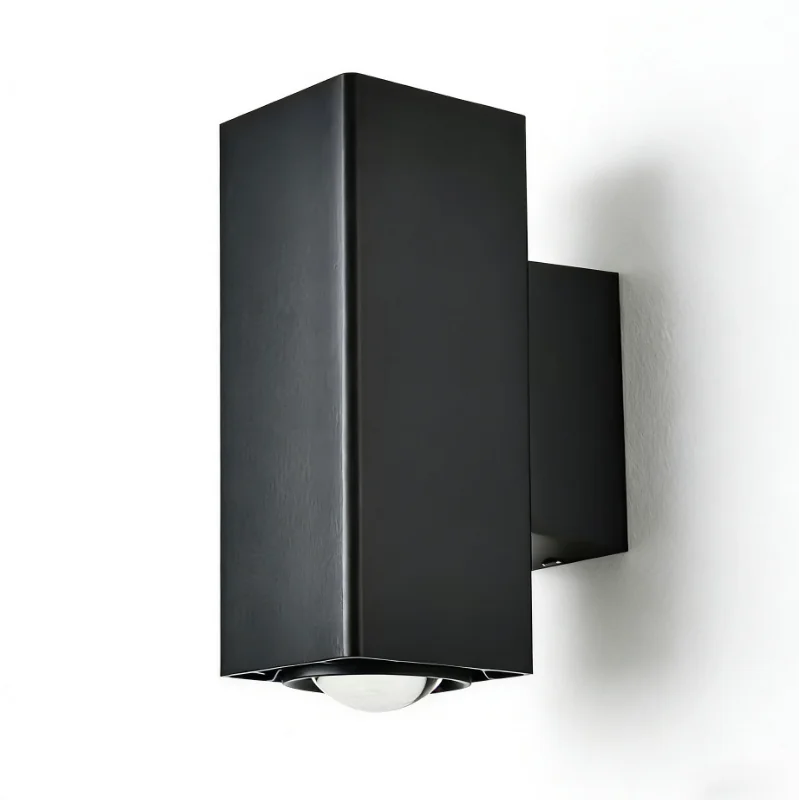
Alternatives, retrofit strategies, and common trade-offs
If budget forces a retrofit, prioritize sensor upgrades and sealing/finishing treatments over wholesale replacement. Retrofitting a networked sensor system onto existing reliable housings can capture much of the energy benefit at lower cost. However, when fixtures show structural corrosion or fail ingress tests, replace them — patch jobs often cost more over a 5–10 year horizon. For architects who care deeply about aesthetic cohesion, custom architectural-grade housings exist that balance bespoke form with commercial internals; expect higher tooling or customization fees, but better longevity and brand alignment.
Advisory: three golden rules for selecting exterior motion-sensor wall lighting
1) Define measurable performance targets first — lumen output, CCT, IP rating, and sensor detection range — then shortlist fixtures that meet them. 2) Insist on field commissioning as a contractual deliverable; a tuned system dramatically reduces hospitality disruptions. 3) Evaluate total cost of ownership over 7–10 years, including energy savings, maintenance, and replacement cycles — cheaper upfront is rarely cheaper in practice.
Thoughtful specification and systems thinking turn exterior lighting from a cost center into an asset that protects guests, projects a brand, and reduces operational overhead. Keyida. —