
Introduction — a short scene, a set of numbers, and a question
I once watched a friend apply another jar of cream while sighing at a stubborn crease above her brow — we’ve all been there. In that moment she asked me if a red light bed could actually do more than moisturizers (she’d seen an ad on social). A red light bed, when set to the right wavelength and irradiance, promises deeper tissue effects than creams alone. Clinical studies show measurable collagen gains of 10–30% over weeks with consistent photobiomodulation, but results vary by device and protocol. So here’s the question I kept asking: can a light-based approach reliably target deep wrinkles where creams cannot? — let’s dig into what matters next.
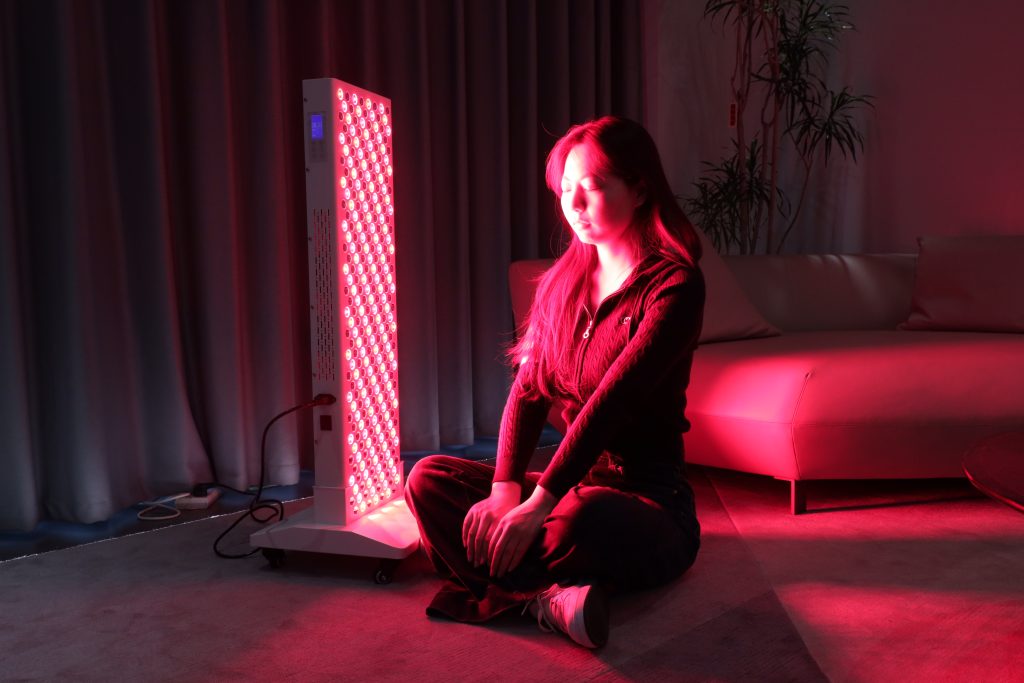
Why many common fixes still miss the mark
led light bed therapy is getting attention, and for good reason. Yet I think the industry—and consumers—still overlook key flaws in traditional solutions. Topicals mostly work on the skin surface. Needling and chemical peels create controlled injury to trigger repair, but they can be painful and need downtime. Injectables fill lines but don’t rebuild tissue. Look, it’s simpler than you think: rebuilding dermal structure requires signaling at the cellular level, not just surface smoothing. In my view, that’s where photobiomodulation shows promise because it targets fibroblasts and mitochondrial activity directly.
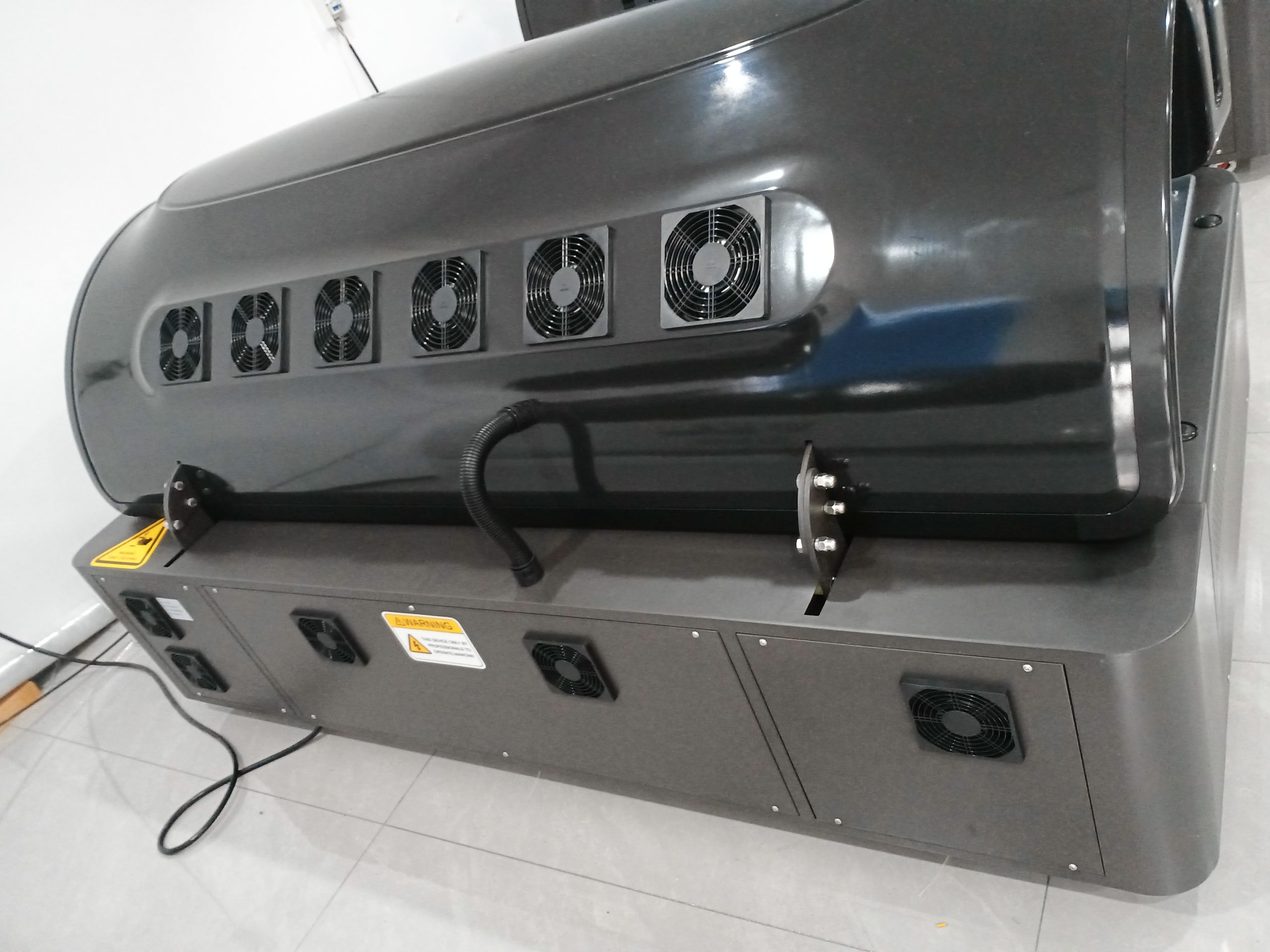
Why do conventional fixes fall short?
Technically, the problem is twofold: penetration and consistent dosing. Creams face a diffusion limit; they rarely reach the dermal collagen where deep wrinkles form. Many devices fail to report true irradiance or the correct wavelength bands—say 630–660 nm vs. 810–850 nm—so outcomes are mixed. Also, system electronics matter: a poorly designed LED array or unreliable power converters can drop output during a session. I find that frustrating because a well-built device should deliver predictable photothermal and photochemical cues to cells. We need clear specs: wavelength, irradiance (mW/cm²), pulse profile, and session timing.
New principles that could change outcomes
Moving forward, I see three technical shifts that matter. First, matching wavelength to target tissue—different chromophores respond best in specific bands. Second, consistent irradiance across the LED array so every part of the face gets the intended dose. Third, smart control systems (think simple edge computing nodes in a wellness device) that monitor output and adjust power converters for steady therapy. These are not buzzwords; they are practical fixes that raise the odds of repeatable improvement. — funny how that works, right?
What’s Next?
In practice, that means devices designed with photobiomodulation principles baked in: calibrated LED arrays, verified irradiance maps, and safety features that prevent overheating. When I test equipment, I look for uniform output and easy-to-read dosing controls. I also like devices that allow protocol customization because skin response varies by age and sun history. If manufacturers pair those design priorities with straightforward user guides, we can close the gap between promise and real results.
How to evaluate options and pick the right path
I’ve seen people chase every new cream and trend, only to end up disappointed. Here are three practical metrics I use—and recommend you use—when evaluating a red light bed or similar solution: 1) Wavelength suitability: is the device emitting in a clinically supported band for collagen stimulation? 2) Measured irradiance: does the manufacturer provide mW/cm² and an irradiance map of the LED array? 3) Dose control & thermal safety: can you set session length and does the system prevent overheating? These points help separate marketing from meaningful specs. They also make it easier to compare devices on a level playing field.
To sum up, I believe that thoughtful device engineering and clear dosing metrics matter more than fancy surface claims. If you want a reliable path to deeper wrinkle improvement, focus on devices that prioritize photobiomodulation fundamentals and transparent performance data. I’m cautiously optimistic—there’s real potential here, and the right equipment could make a measurable difference. For anyone exploring options, check reputable sources and product specs, and consider brands that publish test data. For further reading and device references, you can review resources from Magique Power — they often present clear specs that I find helpful.