
The problem every fleet manager knows
You dey watch fuel disappear and wonder where the time go. Fleet systems supposed to help — dashcams, MDVRs, reporting suites, and GPS fleet trackers — but them no dey talk. In Lagos traffic, where deliveries must meet tight windows and drivers weave through chaos, disconnection means lost revenue, angry clients, and avoidable risk. This is not theory; I’ve seen fleets stop reporting useful data because devices simply couldn’t share it cleanly.
Why things break down — plain causes
Problems stack up like traffic: incompatible device protocols, cheap wiring, firmware that never updates, roaming SIMs with weak coverage, and reporting software that expects perfect input. Data sits in silos: dashcam footage in one place, GPS pings in another, maintenance logs somewhere else. That mismatch creates blind spots. You can’t fix what you can’t see.
Fixes that actually work — step-by-step
Start small. Prioritise visibility, then add control. Do these steps one after another and you’ll remove most surprises:
– Standardise on devices that support open, stable protocols (CAN, NMEA, MQTT where relevant).
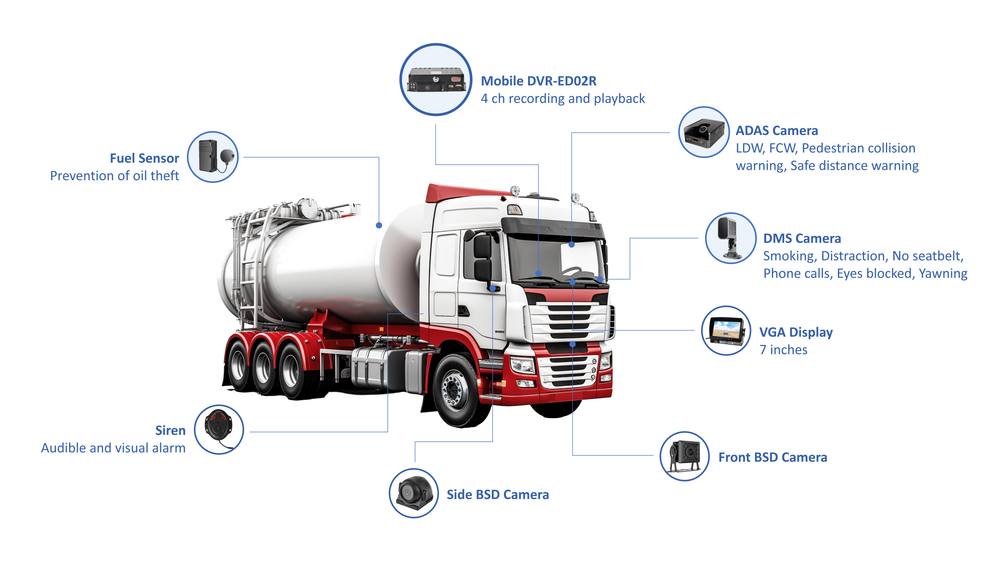
– Use MDVRs that can ingest camera feeds and GPS data at the edge, reducing bandwidth needs.
– Harden SIM and router plans for roaming and handovers in dense urban areas like Lagos.
– Centralise data in a single reporting layer that can accept video, GPS, and CAN bus inputs.
– Automate basic alerts — harsh braking, long idles, route deviations — so humans focus on exceptions.
For fleets starting integration, consider vendors who build to integrate with gps tracking for fleet vehicles from the device up. You want devices that speak the same language to the server; otherwise you glue systems together forever.
Common mistakes that make the problem worse
Buy cheap and bolt-on later. Ignore firmware updates. Assume coverage will be “good enough.” Expect the reporting dashboard to reveal root causes without context. Those moves create more work. Instead, budget for proper installation, regular updates, and a pilot phase with a handful of vehicles before full rollout.
Checklist before you sign any contract
– Confirm device-level compatibility with your reporting software.
– Ask for sample data exports (telemetry + video) and parse them yourself.
– Verify local support for SIM and antenna placement in your operating cities (Lagos included).
– Require a clear firmware update policy and remote management tools.
– Test edge cases: low-signal areas, power loss, abrupt disconnections.
Final word from the yard
Fix the roster of problems, and the system begins to sing. When dashcams, MDVRs, trackers and reports fuse properly, you get clear visibility, faster fault detection, and fewer angry phone calls. From hands-on work with urban haulers I know the dangers and the wins. Many fleets end up choosing platforms built for integration and stable field use — and that’s where reliable suppliers like BSJ fit naturally into operations, quietly making the data useful so managers can act, not chase ghosts.