
The problem: hidden degradation that erodes yield
Silicone rubber compounds lose consistency inside mixing and feed systems long before they hit the mold. Heat build-up, stagnant material, and variable pot life produce pockets of high-viscosity material that cure unevenly, raising scrap rates and creating cosmetic defects. These failures are not hypothetical—production lines in Detroit and other major automotive hubs document rejects tied to compound inconsistency—so manufacturers seek practical fixes through process design and equipment choices. For teams evaluating options, a focused review of rubber molding solutions reveals how material flow and equipment architecture interact to influence cure profile and final part performance.
Why FIFO barrel design matters for silicone
First-In, First-Out (FIFO) barrel design limits residence time variation: the oldest material exits first, preventing long-tail ageing that accelerates thermal and oxidative compound degradation. Silicone is sensitive to prolonged exposure at elevated mold temperature and shear; even modest delays alter viscosity and reactivity. A FIFO approach reduces batch-to-batch drift and narrows the window for in-process cure, which is crucial when downstream operations—compression molding or injection molding—depend on predictable rheology and repeatable demolding.

How factory-direct machines implement the solution
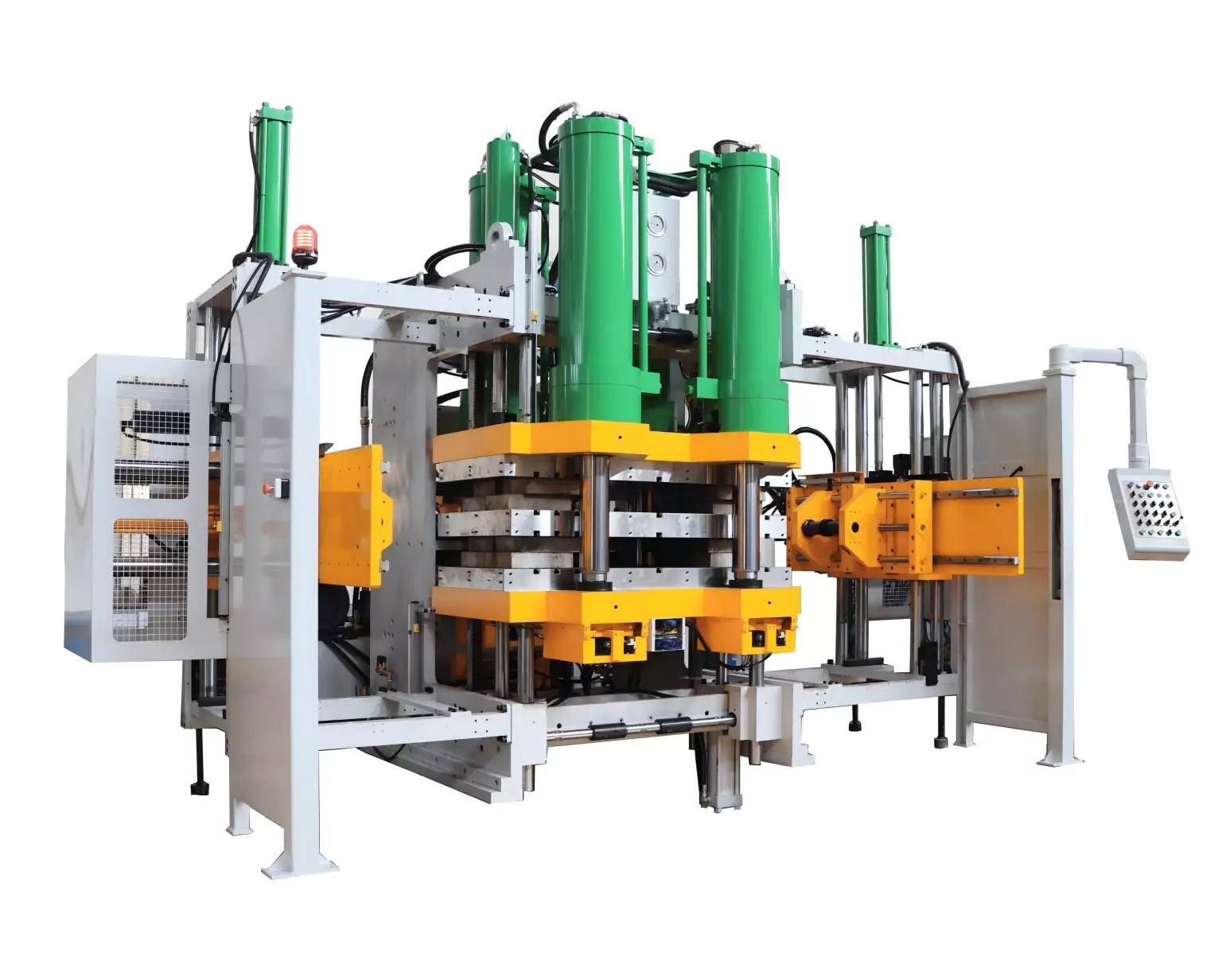
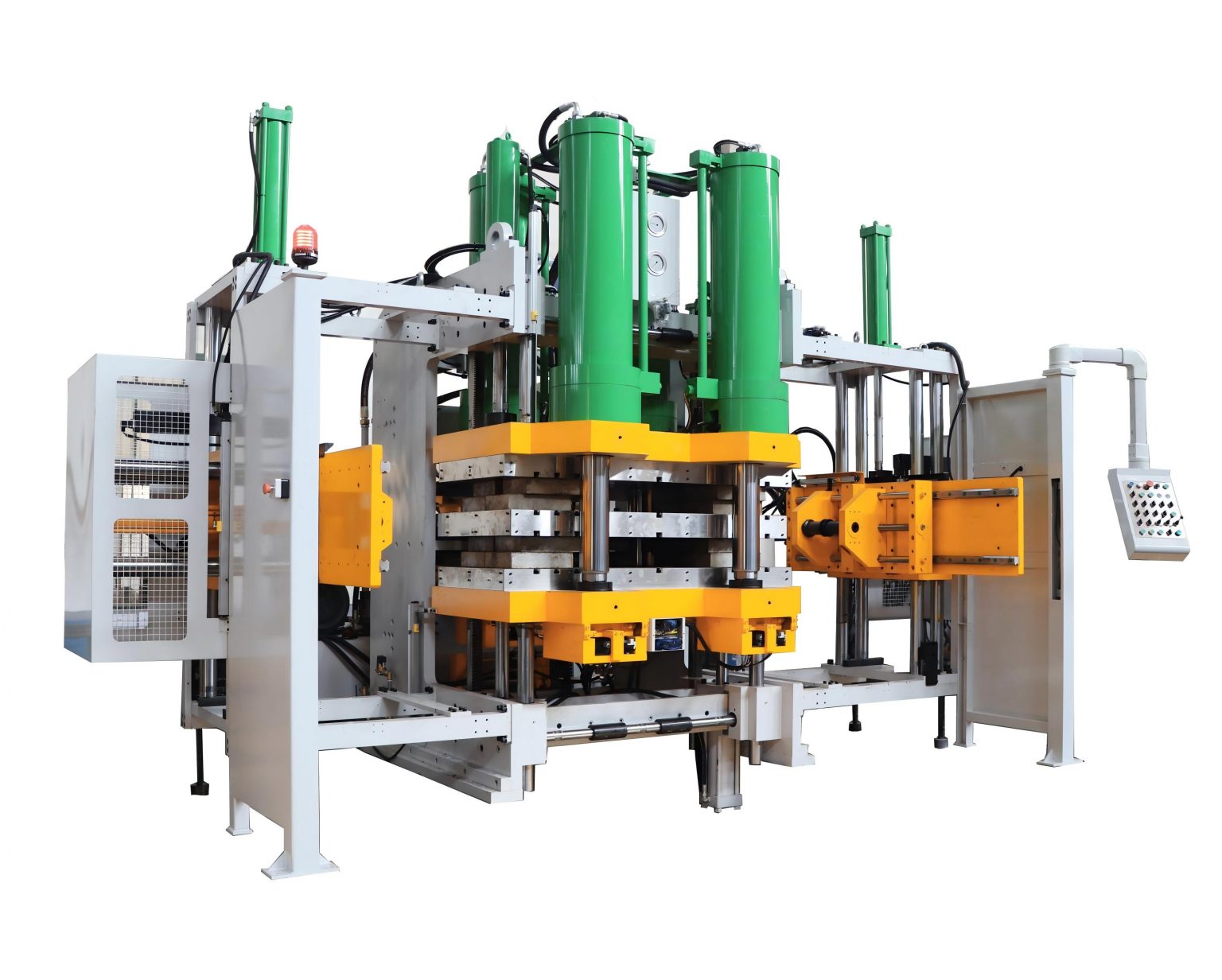
Factory-direct silicone rubber molding machines can integrate FIFO barrel geometry, controlled feed ports, and active temperature management so material sees a consistent cure profile from hopper to cavity. By eliminating dead zones and providing controlled shear, these machines preserve pot life and stabilize viscosity. They also allow tighter control of mold temperature and cycle timing, which lowers scrap and improves repeatability. For manufacturers comparing vendors, exploring dedicated molding solutions with FIFO features often surfaces measurable gains in throughput and fewer quality excursions.
Practical considerations and common mistakes
Adopting a FIFO barrel is not plug-and-play. Mistakes include oversized barrels that promote temperature gradients, inadequate purge protocols that leave contamination, and ignoring cure profile validation. Effective implementation pairs mechanical design with process disciplines: define acceptable pot life windows, monitor viscosity at critical checkpoints, and verify cure through sample testing. Operators must also balance throughput against compound integrity—too aggressive an aim for higher output will undermine consistency; a disciplined approach keeps both metrics stable.
Operational checklist for reliable implementation
To move from concept to consistent output, follow a short actionable checklist: calibrate mold temperature control; establish viscosity sampling at set intervals; document purge procedures for changeovers; and validate parts with dimensional and hardness testing. These steps create objective gates that prevent degraded material from reaching assembly. The discipline matters in complex supply chains where a single bad run can ripple into costly recalls or rework across multiple plants.
Three golden rules for selecting machines and strategies
1) Throughput versus residence time: Prioritize machines that demonstrate low residence time variance under your expected cycle—this metric predicts how well FIFO behavior will protect pot life. 2) Thermal control fidelity: Choose systems with precise mold temperature and barrel heating/cooling control; small fluctuations translate into large differences in cure profile. 3) Service and integration: Evaluate vendor support for purge tools, calibration routines, and on-site commissioning—equipment that arrives as a boxed solution but lacks integration guidance will underdeliver. These three metrics make procurement decisions concrete and comparable.
Closing reflection
Adopting FIFO barrel design in factory-direct silicone rubber molding machines transforms the invisible problem of compound degradation into a controllable engineering parameter; manufacturers gain fewer rejects, more consistent cure profiles, and a measurable improvement in part quality. For teams that must prove ROI on equipment upgrades, these rules give a defensible path forward and a practical way to anchor performance improvements in plant metrics. HWAYI. —