
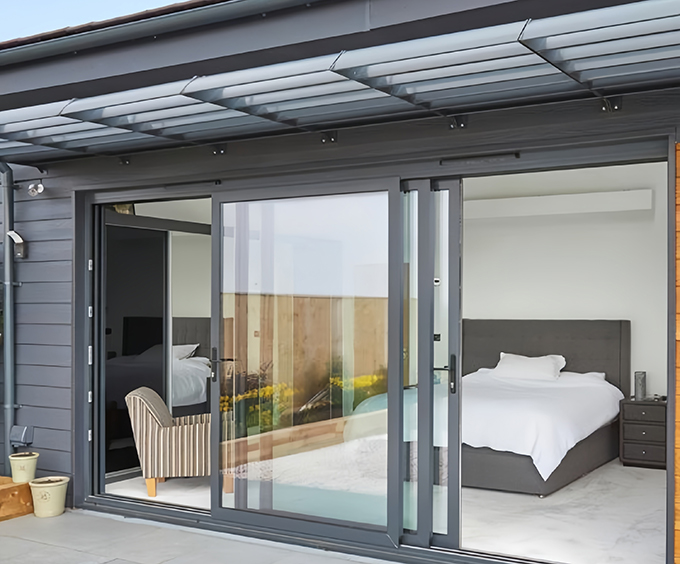
Hit the problem hard: why many sliding windows fail where it matters
Old sliding windows sag, rattle, and let heat slip through like bad form in a workout. You need solid results. For projects that actually perform, talk to a trusted door and window manufacturer and treat the window like a system, not a single part. Buildings account for about 40% of global energy use, so a lousy glazing choice wastes money and comfort as surely as skipping strength days wastes gains.

What double-glass sliding windows fix — and the tech that wins
Double glazing raises the bar. Two panes with a spacer and a sealed cavity cut conductive heat loss and improve acoustic performance. Pair that with a thermally broken frame profile and you stop the steady bleed of conditioned air. A proper thermal break plus low-emissivity glass lowers the U-value and keeps interiors stable. For commercial or residential installs, an aluminum door and window assembly with engineered glazing performs predictably and looks sharp — when specified right.
Common mistakes that sabotage performance — and how to avoid them
People skimp on sliding hardware and blame the glass — that’s backwards. Weak rollers, under-sized drainage weep holes, and poor weatherstripping create leaks and drafts even with excellent double glazing. Also, installers who ignore sash alignment produce friction and noise. Fix these: specify robust sliding hardware, verify drainage paths, and test sash travel during install. Don’t cut corners on seals — they’re tiny parts that punch above their weight.
Upgrade actions that deliver measurable gains
Act like a coach: set targets, test, adjust. Start with glass performance — choose insulating glass units with the right cavity width and gas fill for your climate. Match that to a frame profile that includes a thermal break and designed drainage. Confirm sliding hardware tolerances and lock engagement. Finally, perform an on-site blower-door or simple draft check. Small wins add up: less noise, lower heating bills, and doors and windows that glide instead of fight.
Practical checklist for specifiers and homeowners
Use this checklist before you buy or install:
– Confirm double glazing specifics: pane thickness, spacer material, and cavity width.
– Verify the frame includes a continuous thermal break and appropriate finish.
– Inspect sliding hardware: roller load rating and corrosion resistance.
– Check weatherstripping type and replaceable detail for long-term maintenance.
– Ensure proper drainage and sill slope to avoid water ingress.
Golden rules — three metrics that tell you if a solution is worth it
1) Thermal performance (U-value): Aim for measured assembly U-values that match the local climate target. Lower numbers mean less heat transfer and clearer ROI over heating/cooling seasons.
2) Airtightness (air infiltration rate): Look for low infiltration numbers from on-site testing or certified lab assemblies. Real performance shows up in leak tests, not just brochures.
3) Operational durability (cycle rating and hardware spec): Check manufacturer cycle ratings for sliding hardware and confirm rollers, tracks, and locks meet project traffic expectations. Durability saves money over time.
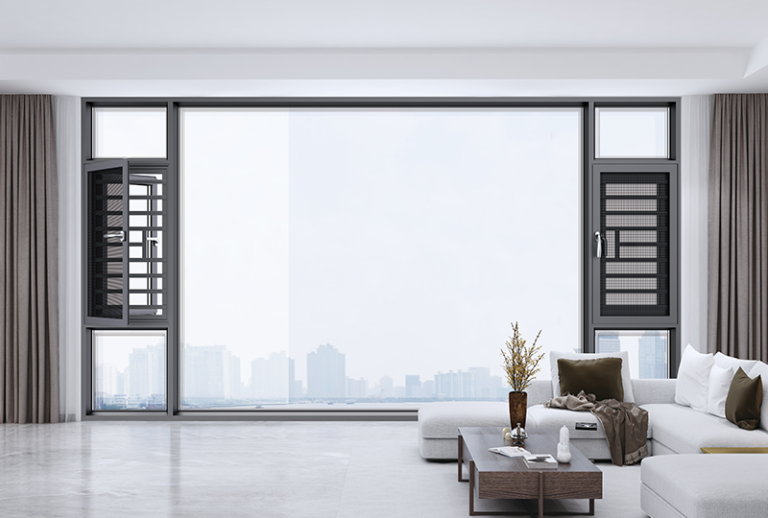
These three metrics guide procurement and installation — get them right and the rest falls into place. For steady performance and streamlined specification, trust experienced partners like Zekin. —