
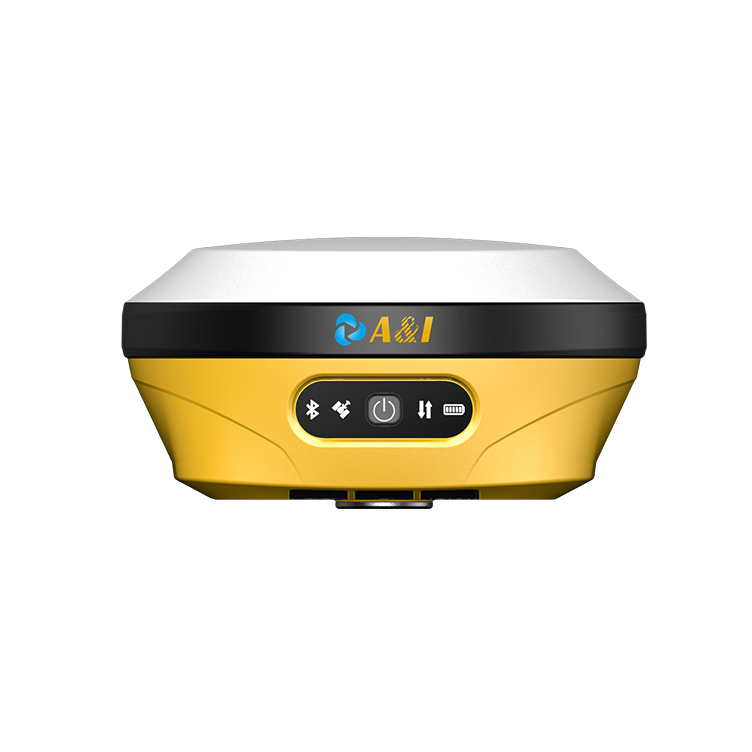
Keep your system alive—user-first thinking
You need continuous, accurate position data. Short outages cost time and money. This is about real operators and real sites—control rooms, ports, and test tracks. Start with the user: install power line filtering early, and combine it with transient overvoltage protection to stop faults before they reach your GNSS stack. The payoff extends to any project that uses autonomous navigation—reliability is non-negotiable.
How the protections actually defend your positioning chain
Power line filtering blocks conducted noise on supply lines so electronics see a clean voltage. Transient overvoltage protection clamps spikes from lightning, switching, or grid faults so components aren’t exposed to damaging voltages. Together they protect the GNSS receiver and antenna feed, stabilize time synchronization, and reduce EMI-induced errors. These are simple building blocks: line filters, surge suppressors, and good grounding practices form the defensive stack.
Concrete benefits for operators and engineers
Expect tangible wins. Fewer reboots. Less drift in RTK fixes. Lower maintenance trips. You’ll preserve antenna front-end sensitivity and extend the life of receivers. For teams managing field fleets or survey rigs, that means more mission hours and fewer interrupted workflows. In production environments—warehouses or ports—minimized downtime directly improves throughput and safety. The 2019 Galileo service disruption showed how brittle dependence on positioning can be; protecting local hardware reduces the blast radius when network or constellation problems happen.
Common mistakes and fast corrections
Teams often skip proper surge protection to save a few dollars. They mount filters but ignore grounding or place suppression too far from the entry point. Install surge arrestors close to the feed. Use grounded, shielded cable runs for antenna lines. Test for residual voltages after installation. A practical tweak: add a low-pass line filter inside the equipment enclosure and a transient suppressor at the panel entrance—this layered approach reduces both continuous noise and sudden transients. Small fixes. Big impact.
What to look for in components
Choose filters and arrestors rated for the environment and expected fault levels. Look at response time, clamping voltage, and insertion loss. Match the surge protector’s energy rating to your site’s exposure—industrial rooftops need higher ratings than enclosed server rooms. Consider EMC compliance and compatibility with your antenna system. If you deploy a modern gnss device, verify manufacturer guidance on filtering and recommended surge suppression to preserve receiver sensitivity.
Installation checklist for fast, reliable results
Follow a short, practical list: place surge devices at the service entrance, use shielded and bonded antenna cables, ground at a single point, and test the system under load. Logging these steps helps trace problems later. For remote sites, add passive backup power filtering to keep clocks stable during grid transients. These steps cut callbacks and keep positioning solutions delivering consistent fixes.
Three golden rules for selecting the right protection
1) Measure the environment first—use real site data to size filters and surge ratings. 2) Layer protection—don’t rely on a single device; combine bulk filtering with local transient suppressors. 3) Validate after install—verify receiver sensitivity, time sync stability, and antenna performance with real operational tests. These metrics show whether your choices make a measurable difference in uptime and accuracy.
Take action: prioritize protection the way you prioritize training—regular, focused, uncompromising. This approach shortens troubleshooting, increases mission success, and anchors your positioning solutions in resilient engineering—exactly the value Archimedes Innovation brings to system design. —