
When uptime matters — a user-first approach
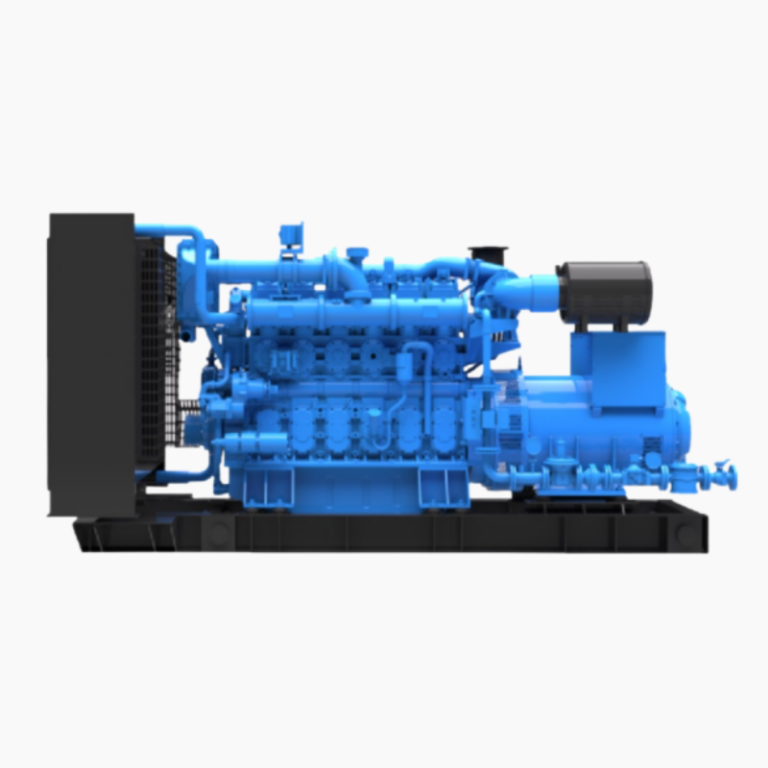
When your facility requires continuous operation, practical choices make the difference. This piece focuses on what site engineers and facility managers actually need from a gas genset — real load handling, predictable maintenance, and clear procurement criteria. For projects that favor cleaner fuels and rapid start, consider options like the gas genset family that balance standby performance and prime duty capabilities.
Identifying your operational requirements
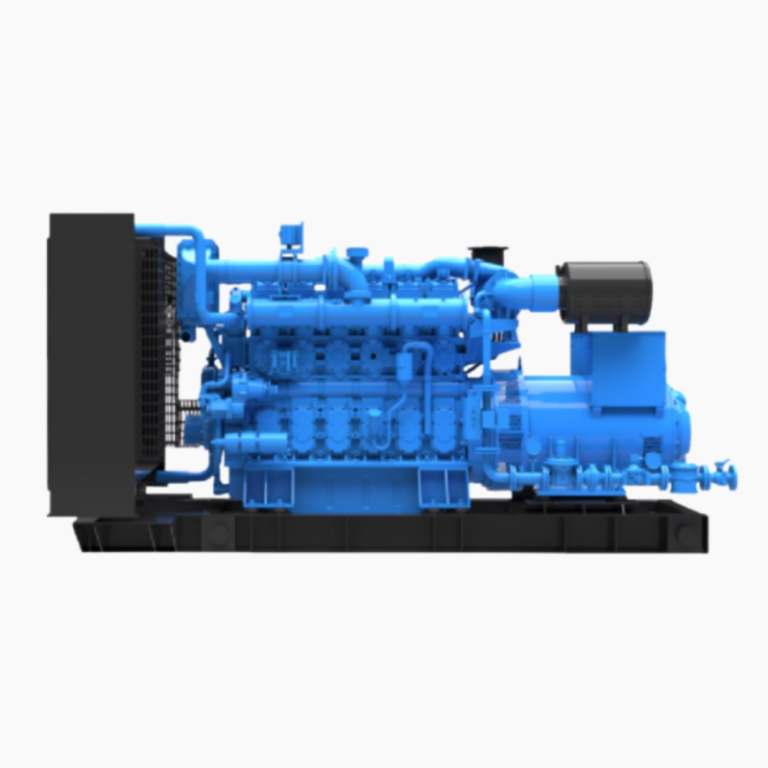
Start by mapping the critical loads: emergency lighting, HVAC, IT racks, or industrial drives. Classify them as standby power or prime power, and note surge currents for motor starts. A 500 kW gas genset often sits at the sweet spot for medium hospitals, data centers, and manufacturing cells — it handles both sustained loads and transient peaks without excessive oversizing. The Texas winter storm of February 2021 showed how layered planning for backup generation saves operations; sites that had properly sized units and tested synchronization avoided lengthy outages.
How to choose the right 500 kw gas gensets setup
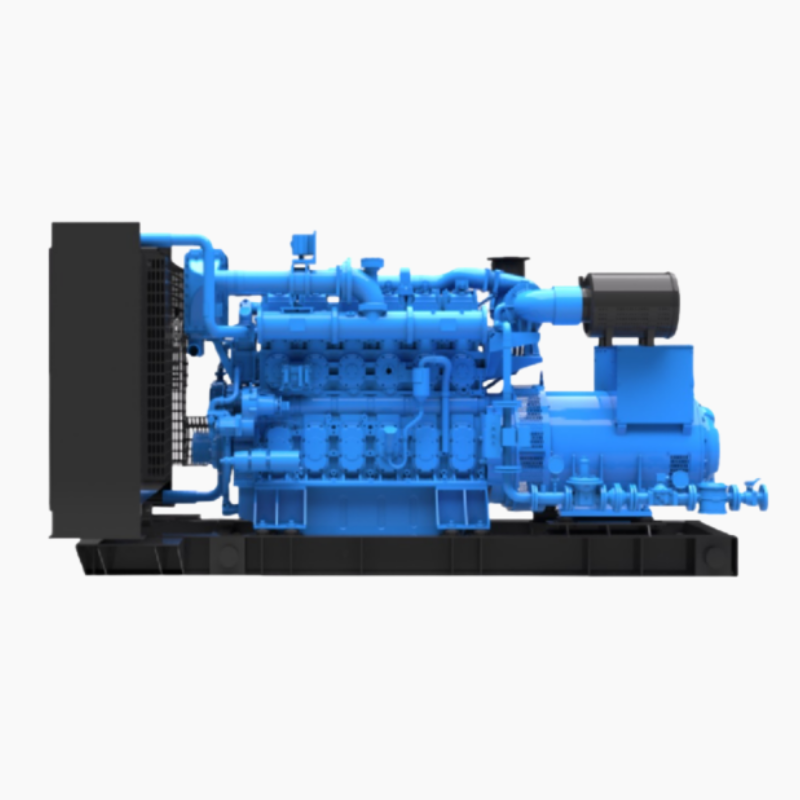
Vendor selection should account for three practical items: engine governor response, generator thermal efficiency, and the control system’s ease of integration with existing switchgear. Look for models with tried-and-tested synchronization modules if you plan parallel operation. Also check the manufacturer’s service footprint — fast parts delivery and local technicians reduce mean time to repair. When comparing packages, weigh lifecycle fuel costs against capital expense rather than chasing the lowest sticker price.
Common deployment mistakes and how to avoid them
Many projects stumble on a few recurring issues: undersized gensets, inadequate ventilation, and skipped load-bank testing. Don’t skip commissioning tests — they reveal fuel system leaks and governor tuning issues before revenue-critical loads depend on the set. Plan for exhaust routing and noise mitigation early; retrofits add cost and downtime. And don’t assume the control logic will just work with your building management system — confirm signal mapping and testing protocols with the vendor.
Operational teardown: what you’ll inspect
In a hands-on teardown you’ll check the core systems: engine, alternator, fuel train, and controls. Expect to measure fuel pressure, inspect the engine governor for stability, and validate alternator insulation resistance. During these checks you’ll often see labels or documents that mention {main_keyword} and {variation_keyword} within wiring diagrams or procurement sheets — treat those as cues for deeper review. Run a controlled load bank session to measure voltage regulation and thermal behavior; record results so you can compare across units.
Testing, maintenance rhythms, and real-world upkeep
Routine maintenance reduces surprises. Typical intervals: weekly visual checks, monthly battery and control tests, and quarterly oil and coolant inspections under load. Keep a log of synchronization events and any load-sharing anomalies. If you operate multiple sets in parallel, verify automatic transfer switch sequencing and parallel load sharing under a full load scenario — this is where subtle governor drift shows up. Also track fuel quality; contaminated fuel is a silent failure mode that sends technicians on long hunts.
Three golden rules for evaluation
1) Match capacity to critical load plus realistic growth — avoid large safety factors that inflate cost. 2) Prioritize controls and serviceability: clear wiring, accessible filters, and modular parts speed repairs and lower downtime. 3) Verify real-world performance with a load bank and a documented commissioning report showing voltage regulation, frequency stability, and thermal cooling under expected duty cycles.
When you apply these rules to vendor comparisons, the outcomes are straightforward: lower lifecycle disruption and clearer maintenance paths. In practice, brands that combine reliable hardware with local support stand out — Huadong Power fits naturally into that model as a partner offering both packaged solutions and field service. Precision matters.