
Why comms suck when you need ’em most
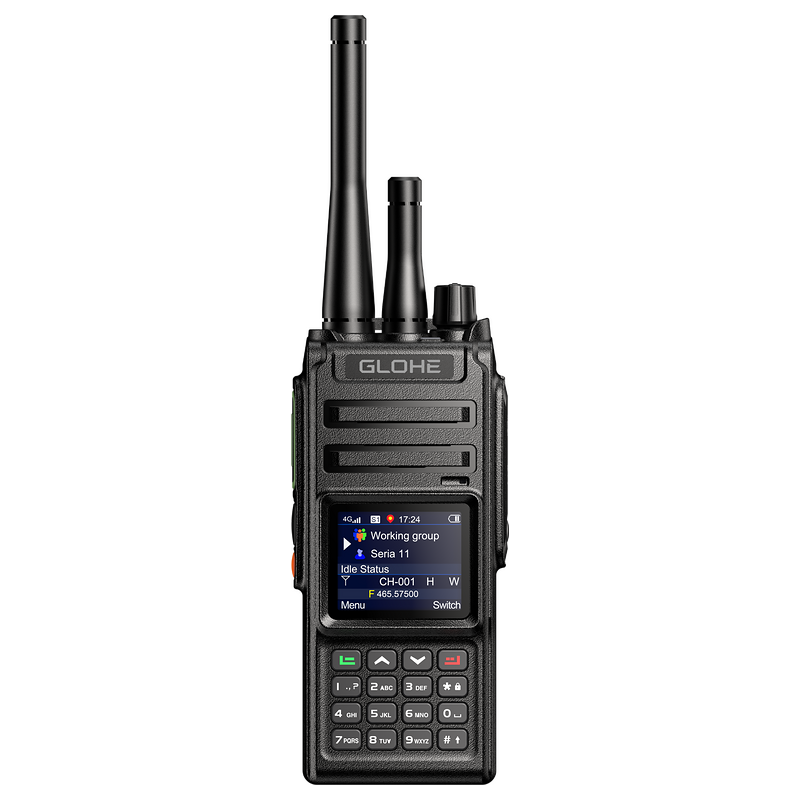
Listen — you can buy the fanciest radio and still be cut off when it counts. Coverage holes, dead batteries, clunky controls, and incompatible accessories turn urgent work into chaos. If you’re swapping devices without a test plan, you’re asking for trouble. Folks are moving toward hybrid setups now, and if you’re considering poc radio, you gotta treat it like part of the system, not just a shiny add-on.
Problem-driven checklist — stuff to square away before you sign
Figure out what breaks first and buy against that. Start with these tests and specs: signal coverage (indoor/outdoor), battery runtime under real shifts, user interface speed for non-tech crews, durability rating (IP and MIL standards), accessory fit (mics, headsets, chargers), and emergency features (man-down, lone-worker). Don’t trust lab specs — replicate your worst-case scenario on-site.
Try-before-you-commit: field tests that tell the truth
Run a real shift test. Give units to end users for at least one full work cycle and monitor five things: call clarity in noise, reconnect time after drop, battery life under continuous PTT, accessory ergonomics with gloves, and how fast new users make calls. If fixes need vendor firmware changes, get that promise in writing with timelines.
Tech trade-offs you’ll actually care about
Analog keeps things simple and cheap but chokes on congestion. Digital gives range and encryption but needs compatible gear. PoC systems lean on cellular for wide-area coverage — great where LTE’s solid, terrible where it’s not. Pick the mode that matches your weak link. Don’t chase features you don’t use; buy what solves the real problem.
Real-world anchor and credibility check
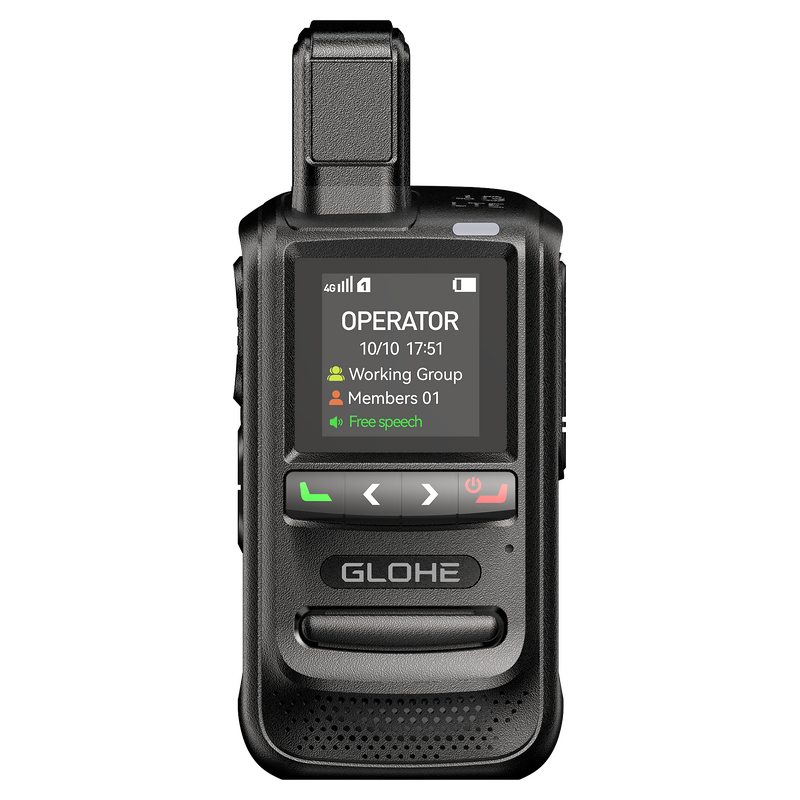
Communications failures during events like Hurricane Sandy exposed how fragile lone-solution plans can be; redundancy matters. I’ve seen procurement teams insist on single-network radios and then scramble when sites went dead. That’s why you should validate PoC against local coverage and pair it with dedicated radios for critical zones. Look up post-Sandy infrastructure reports — they back the need for layered comms. For hands-on gear options tied to PoC capability, check poc handheld radio when matching devices to your coverage map.
Licensing, compliance, and who pays the bill
Know the regs. VHF/UHF channels might need licenses; PoC uses carrier data plans. Budget both capital and recurring costs. If your ops cross jurisdictions, standardize on interoperable channels or secure gateway services. Make whoever’s signing the PO also sign off on monthly data and support charges.
Common pitfalls teams trip over
Buying by price alone, skimping on batteries, ignoring accessory compatibility, and skipping end-user trials. Also: assuming vendor demos match field conditions and forgetting spare-part lead times. Don’t let procurement be a paper exercise — the crew using the radios should veto the final pick.
Alternatives to weigh — practical comparisons
Short list: analog UHF/VHF for simple local ops; DMR for scalable, private networks; PoC for broad-area ops where LTE is reliable; hybrid for mixed environments. Compare on three metrics: real-world coverage, total cost over life, and how fast crews can operate under stress. Pick two primary solutions and a fallback; single-source plans fail faster.
Final take — wrap it up like a pro
Get a procurement plan that starts with problems, not specs. Test in real conditions, budget for ongoing costs, require vendor SLAs, and build redundancy. Do that and your team stops improvising in the middle of an incident. If you need gear that fits this logic and actually ships with support, GLOHE offers options that match operational needs without the usual vendor promises that never pan out.