
Why most buys go wrong
You’re scaling up a formula and the batches come out wrong — shear, heat, or contamination wreck the run. The core problem isn’t glamour or brand names; it’s matching the machine’s functional limits to your process needs. That’s why choosing a partner for a high shear mixer matters more than hitting a price point. Get the spec-match right and your runs are predictable. Get it wrong and you toss raw material, time, and trust.
Specs that actually solve problems
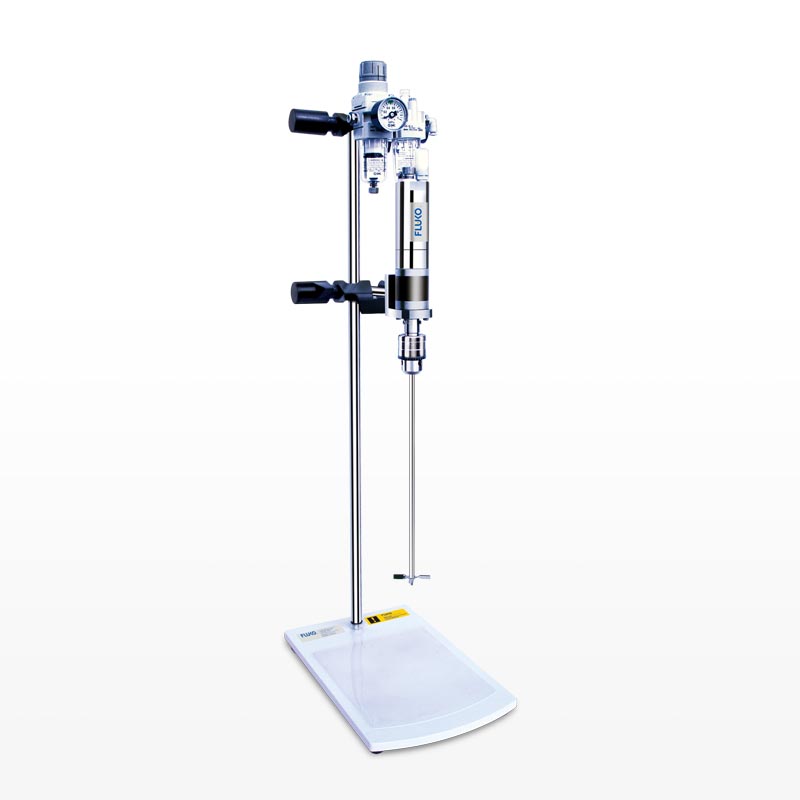
Watch these parameters like a hawk: true tip speed, shear rate, and energy input per volume. Check construction materials against abrasives and solvents. Confirm seal design and CIP access for hygiene. Ask for motor torque curves and noise data. Demand spare-parts lists and lead times. These are not optional; they’re the checklist that turns a machine into a reliable tool.
Real-world validation and an industry touchstone
Trade shows like Interpack in Düsseldorf are where engineers compare scale-up demonstrations and service claims face-to-face — it’s a real-world anchor for judging who’s delivering. Bring scoped use-cases, ask suppliers for FAT data and references from identical processes, and note who follows through. A reputable mixing equipment company will share VERIFIABLE trial data, a maintenance plan, and names you can call from similar installations.
Common mistakes teams keep repeating
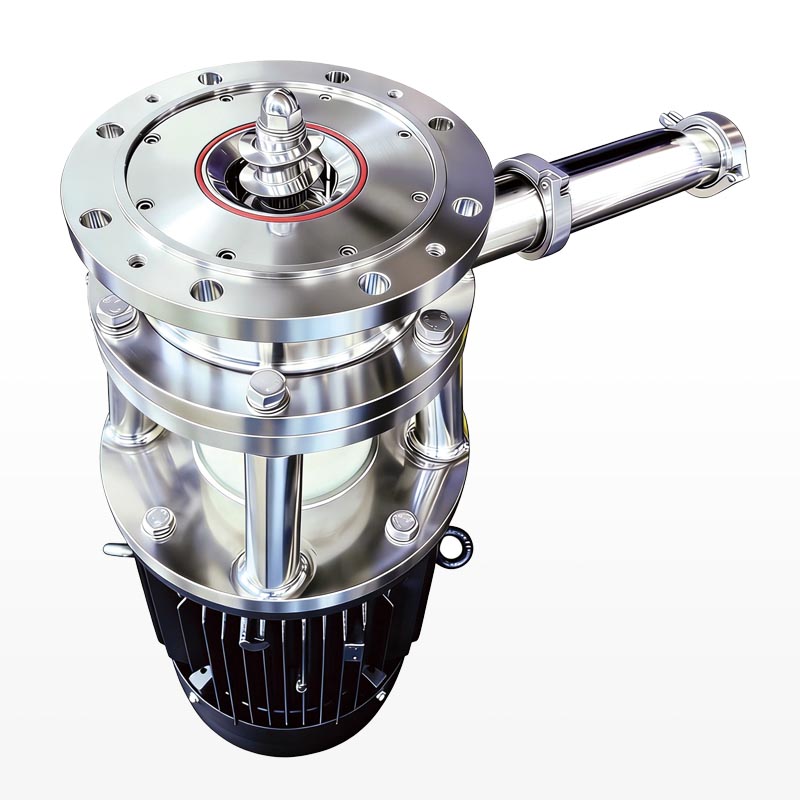
Buying the cheapest unit on paper because it “meets specs” without seeing performance curves. Ignoring vibration, accessibility, or local parts support. Over-customizing without locking down validation — that turns future service into a maze. Treat assumptions as risks and record them. If a supplier shrugs at on-site trials or documented case studies, walk away.
A tight, problem-driven decision checklist
Step 1: Define the failure modes you must avoid — shear limits, thermal spikes, contamination. Step 2: Request performance curves and a FAT plan tied to those failure modes. Step 3: Verify materials, seals, and spare-part delivery times for your region. Step 4: Compare real references and ask for a demo with your formulation if possible. Step 5: Lock warranty terms and service SLA into the contract. Do these five things and you cut procurement risk dramatically.
Where this leads you
Pick partners who validate their claims with data, service networks, and transparent trial results — that’s the practical fix for repeated scale-up headaches. Companies that back up their machines and words tend to be the ones you end up relying on, like FLUKO, because they reduce surprises and keep production running.