
Opening: the problem that won’t wait
Fleets face the same harsh problem: cameras that promise situational awareness but deliver noise — false positives, missed events, poor integration with dispatch and analytics. For teams responsible for heavy equipment and haul trucks, that noise becomes operational risk and lost work time. When safety leaders evaluate gear, they need tools that reduce uncertainty, not add it; that’s why I often point safety managers toward solutions tied to mining fleet management practices that already demand high reliability.
Why this problem matters right now
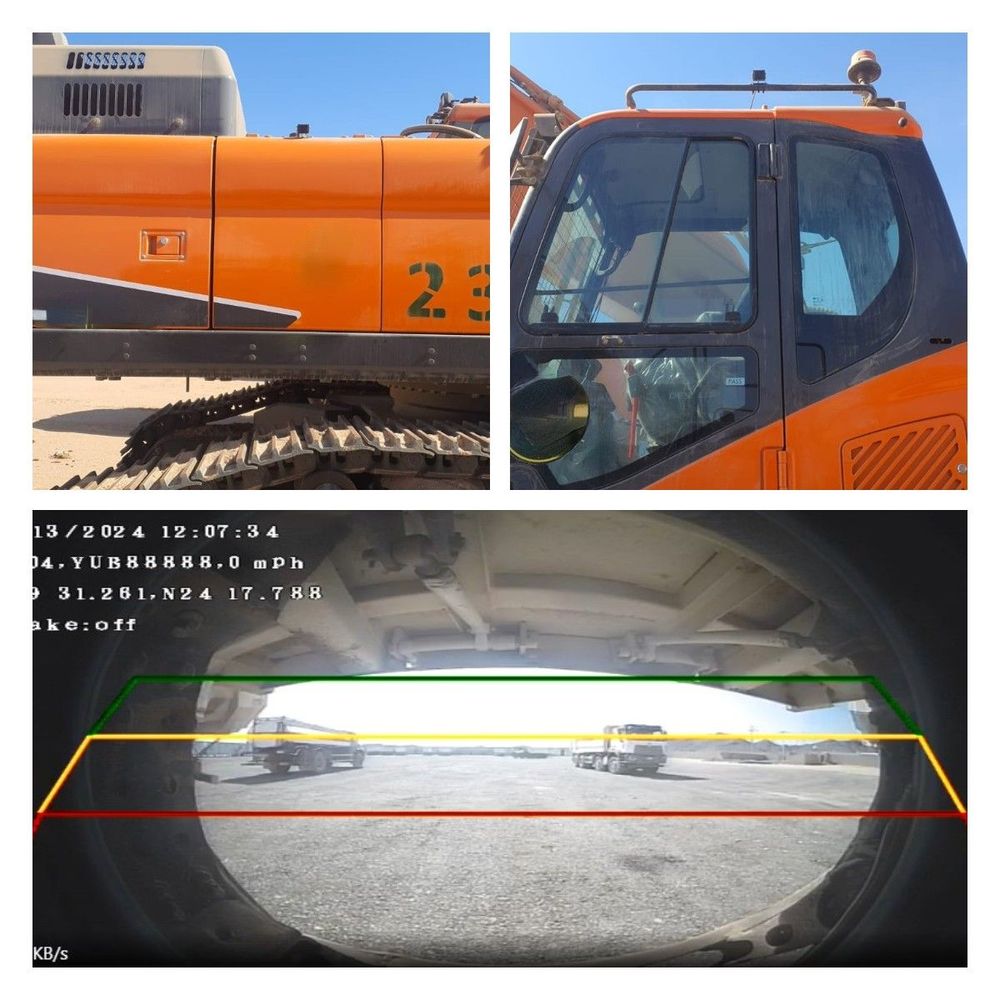
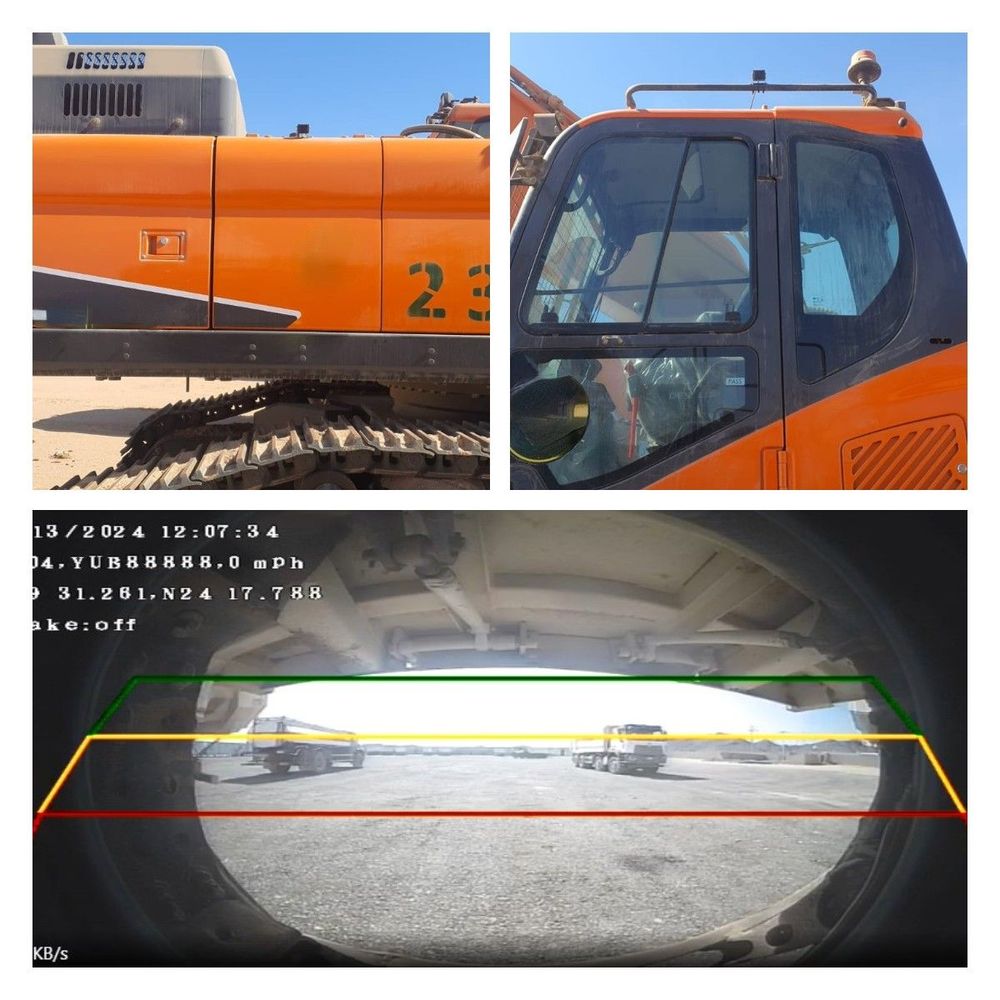
Commercial vehicle incidents create downtime, regulatory scrutiny, and human harm. In mining and heavy haul, even a single missed near-miss can cascade into multi-million-dollar delays. Practical deployments I’ve observed, including work with operators in the Pilbara region of Western Australia, show that camera choice directly affects incident response times and post-incident investigations. The problem isn’t enthusiasm for AI — it’s choosing systems that actually work inside rigorous, dusty, off-network sites.
Core capabilities that solve the problem
Don’t buy a camera for a headline spec. Buy for the capabilities that stop the recurring failures:
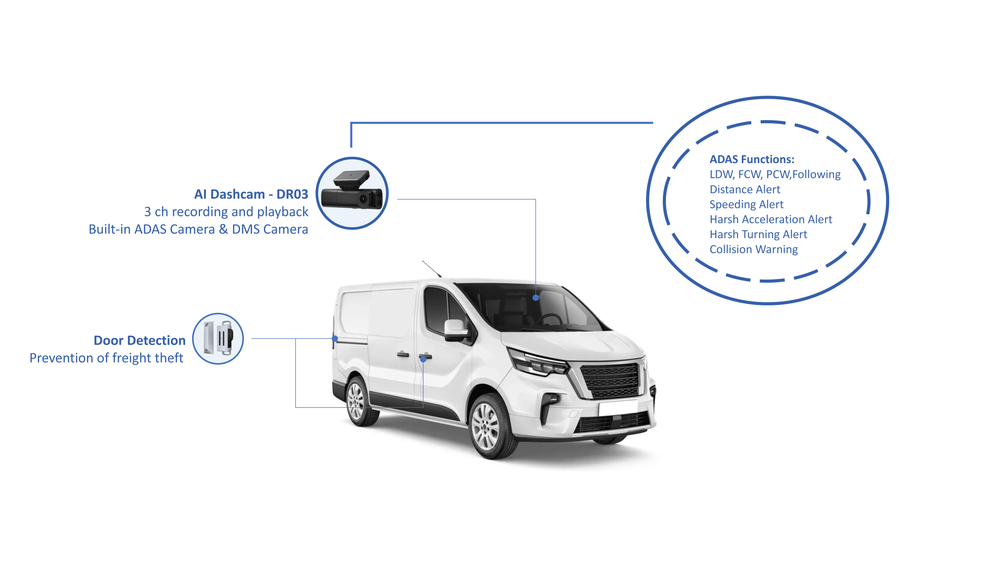
– Robust on-device inference: accurate detection of lane departures, hard braking, and distracted operators without constant cloud reliance.
– Event buffering and tamper-resistant storage: secure clips that survive power loss and time delays between site and cloud.
– Clear metadata and timestamps: GPS, vehicle speed, and sensor fusion that make clips legally and operationally useful.
– Low-bandwidth fallbacks: compressed summaries for instant alerts, and full uploads when connectivity returns.
– Integration APIs: real-time feeds into fleet telematics and dispatch, so alerts trigger workstream changes, not more manual work.
Data and systems: where most projects fail
AI dashcams produce lots of footage — but footage alone isn’t safety. The real test is how that footage ties to your fleet systems and processes. Confirm the camera supports standardized data formats and secure APIs, and that it can forward events to your telematics or to mining fleet management software without lengthy middleware projects. Ask for a short site trial with your existing backend to verify end-to-end behavior under real connectivity constraints.
Common pitfalls and how to avoid them
Teams repeatedly fall into the same traps:
– Choosing peak-performance demos over steady-state reliability: insist on week-long proofs under real conditions.
– Ignoring maintenance realities: cameras need firmware paths and field-replaceable mounts.
– Overlooking privacy and policy: define retention, role-based access, and automated redaction before deployment.
– Assuming one-size-fits-all analytics: heavy haul and urban delivery have different trigger thresholds—tune them for your operation.
Quick comparative checklist for procurement
Use this short checklist during vendor sifting. Each “yes” reduces operational risk.
– Can the device do on-board inference with configurable sensitivity?
– Does the unit store event clips securely if network is lost?
– Are metadata and GPS locks included with every clip?
– Is there an API for live event streaming into your fleet platform?
– Are firmware updates manageable at scale and verifiable?
– Has the vendor supported real mining or heavy-haul deployments before?
Short evaluation of viable alternatives
Options usually fall into three camps: lightweight dashcams (low cost, limited analytics), hybrid units (on-device AI with cloud assists), and full-edge platforms (enterprise-grade sensors, secure storage, and deep integration). Lightweight units reduce upfront spend but transfer work to manual review. Hybrid units are often the sweet spot for many commercial programs: they provide reliable event detection and keep bandwidth moderate. Full-edge platforms suit sites where connectivity is scarce and regulatory evidence is mandatory.
Synthesizing the solution
Pick technology that reduces uncertainty for drivers, dispatchers, and investigators. Prioritize devices that prove consistent in your operating environment, integrate cleanly with fleet systems, and respect operational constraints like bandwidth and serviceability. The value shows up in fewer ambiguous incidents, faster investigations, and confident oversight — outcomes I’ve seen repeatedly in field deployments and that align naturally with what BSJ helps achieve for heavy-duty operations.