
The hard problem you’re solving
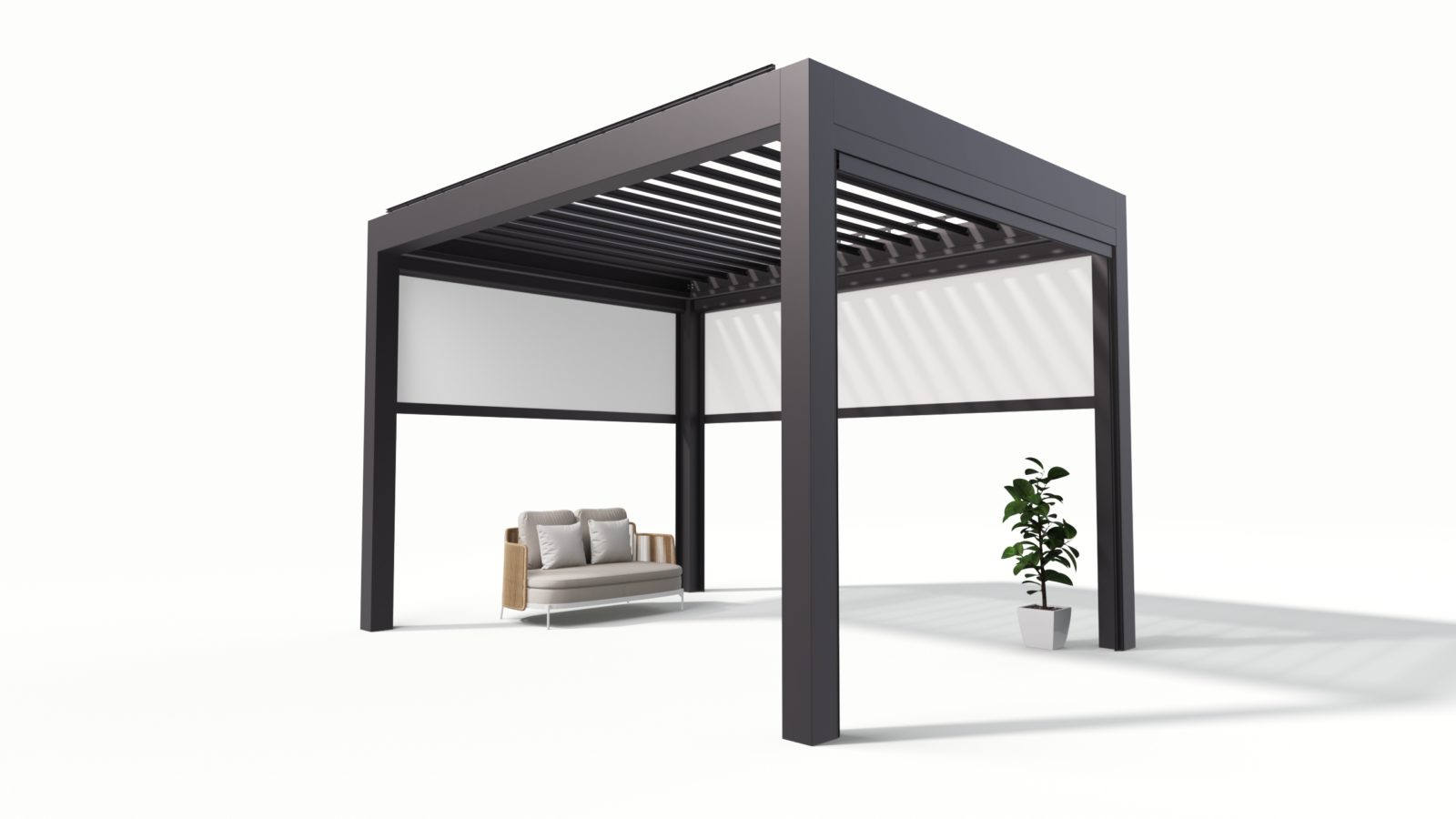
Backyards need shade, homeowners want lower bills, and installers want something that doesn’t fall apart after the first storm. Design a solar pergola that meets those three demands and you’ve got a winner. Start with a clear product aim: reliable shading, meaningful energy generation and straightforward install. If you’re prototyping, test a basic photovoltaic pergola early — it shows the market what the hardware can do and flags obvious fit issues fast.

Who’s paying and what they actually want
Don’t chase vague audiences. Target three buyer types: cash-conscious homeowners wanting bill cuts; renovators after outdoor living upgrades; and SMEs wanting branded outdoor space. Each group values different things: ROI math for the first, durability and looks for the second, and simple maintenance for the third. Speak directly to those needs in copy, specs and warranty terms. Simple language wins — tell homeowners how many kWh they’ll likely get per year, not just panel specs.
Core product decisions that change everything
Decide these up front. Modular vs fixed roof: modular units speed shipping and assembly but add sealing work. Panel integration: choose frameless glass-on-glass for a sleeker look, or framed modules if installers need ruggedness. Mounting and drainage: design channels for water to run clear of fasteners. Electrical layout: microinverters reduce single-point failure risk and simplify expansion. Controls: include simple local controls and optional smart monitoring for those who want data.
Technical trade-offs and common mistakes
Don’t over-engineer aesthetics at the price of weatherproofing. Common screw-ups: ignoring thermal expansion in aluminium frames, mis-sealing cable penetrations, and undersizing inverter capacity for peak export. Test wind uplift and salt spray if you sell coastal. Pick suppliers with test certs and insist on installation guides that include torque specs and sealant types — installers won’t invent those details and neither should you.
Pricing, channel strategy and compliance
Price by installer margin, not just parts. Offer a packaged installer kit and a trade price so your unit integrates into their labour model without surprises. Know local rules for grid connection and permitting in your launch markets. Rebates and feed-in tariffs change demand sharply; map the incentives and bake realistic payback windows into your sales tools. Keep warranty clear: cover panels for output and the structure for wear — installers read that line close.
Experience, evidence and one real-world anchor
I’ve seen prototypes fail at the handover stage because the team skipped field trials; real installs expose routing and access problems you won’t catch in the lab. Look to demonstrator projects from the Solar Decathlon for lessons on building-integrated PV and occupant interaction — teams there prototype living spaces with canopies and pergolas and publish hands-on findings. For a practical example of product-market fit, check how a solar patio pergola performs in retrofit scenarios: installers report faster approvals when electrical designs mirror local standards and when package documentation includes wiring diagrams and permit-ready specs.
What to test in an MVP
Keep the first release tight. Test three things: install time with one installer, energy output across seasons, and leak resistance after a rain cycle. Ship to a small set of sites in varied climates. Track install hours, call-backs and customer satisfaction. Use that data to fix the top two recurring issues before scaling production. Don’t add features until those metrics improve.
Roadmap: first 12 months
Month 0–3: prototype and local field tests. Month 4–6: tighten BOM and create an install kit. Month 7–9: pilot with two installer partners and collect warranty/field data. Month 10–12: revise manuals, set trade pricing, and prepare for small-scale roll-out. Keep marketing simple: show measured kWh/year and a handful of real installs with hours-to-complete metrics.
Wrap-up
Sort the real problems first — roofing integrity, clear electrical plans and installer economics — then layer looks and smart features. Build documentation that removes guesswork for installers and buyers, test in real places where people actually live, and iterate on the issues that come back most often. The sensible solution you end up with should read like a toolset for installers and a reassurance for owners, the kind of practical package you’d expect from Light Hunter.