

A comparative frame for practical choice
The quiet urgency of choosing a breathing device for chronic obstructive pulmonary disease asks for calm scrutiny rather than impulse. Here I compare the features that genuinely change daily life, starting from the clinical basics to home convenience, and I place the practical first: a reliable cpap device can mean fewer wakings, steadier oxygenation, and a simpler routine. The World Health Organization lists COPD among the top three causes of death globally, which anchors this conversation in a real-world scale of need and responsibility. This is comparative thinking—measure, weigh, and choose the trade-offs that respect a person’s rhythm and medical profile.

Core features that shift outcomes
Effective machines converge on a few predictable attributes. Think of them as the axes of comparison: pressure delivery, leak handling, humidification, and power resilience. The distinction between fixed-pressure CPAP and a home bipap machine often matters most for COPD: BiPAP provides separate inspiratory and expiratory pressures, reducing work of breathing for hypercapnic patients. Key industry terms to watch include tidal volume, IPAP/EPAP, and leak compensation—each affects comfort and gas exchange.
Modes, algorithms, and the lived result
Algorithms that adjust pressure on the fly can reduce awakenings, but adaptive modes must be transparent—clinicians need readable reports of events and pressure curves. Data matters: simple nightly summaries and exportable event logs make follow-up effective. Portability and battery backup are practical: a device that fails in a power outage creates acute risk. Also look at integrated heated humidifiers; dry air increases airway resistance and cough, which matters when COPD already narrows the margin for error.
Common mistakes and real-world trade-offs
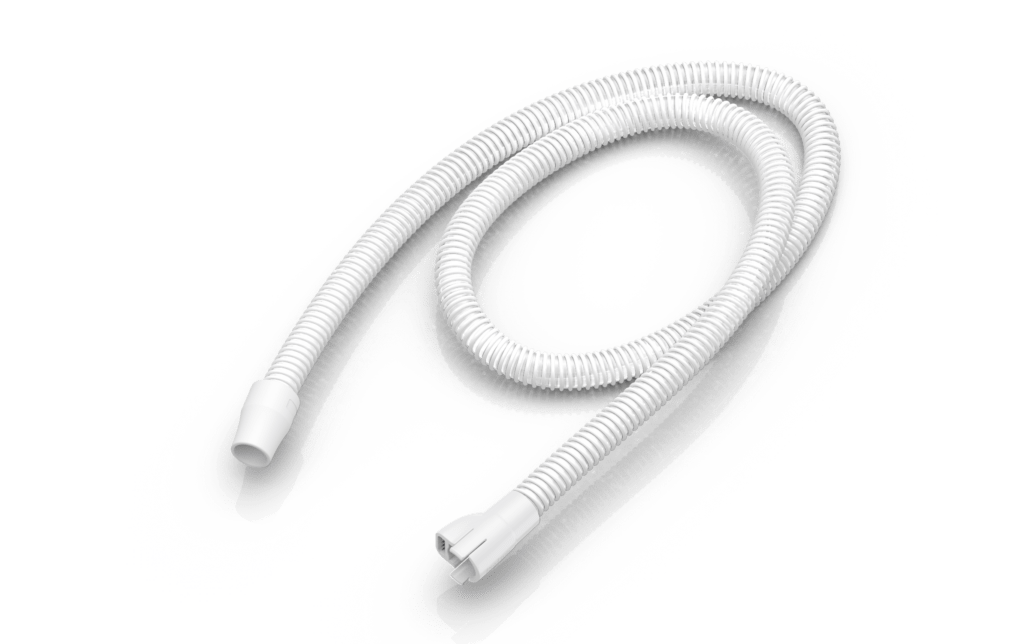
Users and buyers often choose a model for brand or price alone and then discover mismatches: masks that slip, machines that produce condensate, or devices whose software is unreadable to clinicians. A common error is over-reliance on “auto” pressure modes without reviewing follow-up data—this can mask rising needs. Another is ignoring maintenance cycles; filters, hoses, and interfaces require replacement on schedules to preserve performance. —Small choices in setup compound over months into large differences in outcomes.
Practical comparison checklist
When comparing brands and models, keep these concrete points front and center: mask fit options and availability; explicit leak compensation capability; clarity of pressure modes and the presence of fixed BiPAP and spontaneous/timed options; humidification quality; data export formats; local service and warranty terms. Also verify power specifications and certified battery runtime under typical loads. These anchors let you translate brochure claims into measurable expectations at home.
Three golden rules for selecting the right machine
1) Prioritize physiologic match: Ensure the device’s pressure modes and documented tidal volume support align with the patient’s respiratory needs as established by a clinician. 2) Demand demonstrable reliability: Choose models with clear performance data, robust leak compensation, and verified battery runtime so therapy persists when it must. 3) Make follow-up non-negotiable: Opt for systems that provide readable reports and local clinical support; therapy without feedback is guesswork.
Experience shows these three metrics reduce rework, hospital readmission, and nightly distress. For sustained value and practical support, consider the way a trusted partner fits into ongoing care—Byond. —steady, service-oriented, and clinically minded.