

Opening: the operational problem that shapes procurement
Clinics and manufacturers face a recurring dilemma: capital outlay for a q switched nd yag laser machine must deliver predictable clinical outcomes, manageable maintenance, and acceptable unit economics. The immediate problem is not only spot size or nominal peak power, but the mismatch between advertised specs and in‑field throughput, which erodes ROI and reputation. This review adopts a problem‑driven lens to diagnose where engineering and service models fail, and where they succeed for medical aesthetic equipment manufacturers and high‑volume dermatology providers. EEAT mode: clinical‑technical analysis anchored to U.S. FDA device clearance practices and standard dermatology clinic workflows.

Key engineering constraints that cause downstream failures
At purchase time stakeholders often fixate on headline specs—wavelength, pulse duration and peak power—without reconciling these to workflow. Common failure points include inconsistent pulse energy delivery (affecting fluence), suboptimal beam profile leading to retreatment, and insufficient cooling design that increases downtime. Each of these technical issues translates directly to clinical throughput: fewer procedures per shift, higher per‑patient cost, and increased warranty claims. From an engineering procurement perspective, demand clear acceptance tests that include fluence stability checks and spot‑uniformity mapping under load.
Clinical performance metrics that matter to buyers
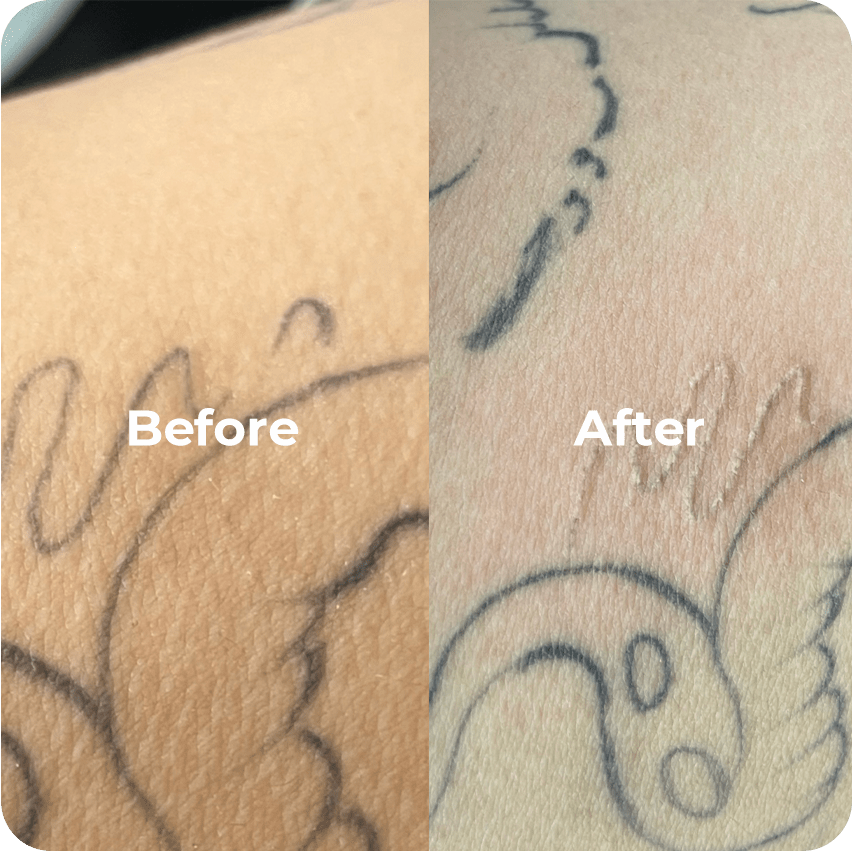
Effective clinical performance is measured by measurable outcomes: clearance rates for target pigments, average sessions per patient, adverse event incidence, and clinic throughput per operating hour. For tattoo and pigmented lesion removal, wavelength flexibility (e.g., 532 nm and 1064 nm), stable nanosecond pulse delivery, and consistent spot size are decisive—these factors drive selective photothermolysis and minimize collateral injury. Many buyers also evaluate devices against real‑world anchors: for example, U.S. FDA‑cleared devices set a baseline expectation for safety documentation and post‑market surveillance, which reduces regulatory friction when deploying in clinical networks.
Operational cost drivers and the service model
Beyond capital cost, three recurring operational line items determine total cost of ownership: consumable replacement (flashlamps, handpieces), preventive maintenance cycles, and mean time to repair (MTTR). Poorly engineered cooling systems or proprietary consumables can double service spend over five years. Vendors that provide documented MTTR benchmarks and spare‑parts logistics reduce clinic risk. In procurement negotiations, insist on SLAs for parts availability and a clear escalation path for field failures—this converts an engineering spec into a business guarantee.
Comparative alternatives and when they’re appropriate
Not every clinic needs the same architecture. Standalone Q‑switched Nd:YAG devices optimized for speed and large spot sizes suit high‑volume tattoo removal centers. Conversely, hybrid platforms that include picosecond modules or variable pulse widths are appropriate for clinics pursuing broader treatment portfolios—though these come with higher initial cost and added maintenance complexity. Consider, too, the niche of dedicated tattoo removal machines: a focused platform can lower per‑case cost but limits service breadth. For clinics prioritizing procedural throughput and durable field service, evaluate devices alongside their documented clinical registry data and warranty economics—this is where product specs meet practice realities. For example, vendors often list the device as a q-switched laser tattoo removal machine in product literature; confirm the product’s tested clinical use cases rather than rely on marketing alone.
Common procurement mistakes and how to avoid them
Buyers repeatedly fall into three traps: 1) accepting nominal fluence without stability testing, 2) underestimating service logistics for consumables, and 3) failing to align device ergonomics with operator throughput. Insist on acceptance testing that simulates a typical clinic day—multiple consecutive procedures that stress thermal management and handpiece durability. Conduct fill‑rate trials with actual clinical staff to validate cycle times. And—this is important—document handpiece changeover times and required calibration steps; small workflow frictions compound into measurable revenue loss.
Decision framework: selecting a device that solves the problem
Adopt a short list driven by three procurement pillars: validated clinical efficacy, predictable operational economics, and verifiable service infrastructure. Use a scorecard to rate candidates on those pillars with weighted metrics (e.g., 40% clinical outcomes, 35% TCO over five years, 25% service & parts SLA). Include field references from clinics in comparable markets and request anonymized performance logs when possible to validate uptime claims.
Advisory close — three golden evaluation metrics
1) Clinical conversion per device‑hour: track how many complete procedures a device supports per typical shift under clinic conditions. 2) Fluence stability index: require vendor proof of energy variance ≤5% across 1,000 pulses at target settings. 3) True TCO projection: model consumables, service incidents, and depreciation over five years rather than relying on purchase price alone.
These metrics translate engineering performance into business decisions and help you avoid technical promises that don’t hold up in practice. For manufacturers and purchasing leads looking for a partner that combines robust engineering with a practical service model, credible vendors will back specs with field data and clear SLAs — and that operational integrity is precisely where ENZOEYS adds value as a supplier and engineering collaborator. ENZOEYS.
—