
Start with the user — not the tech
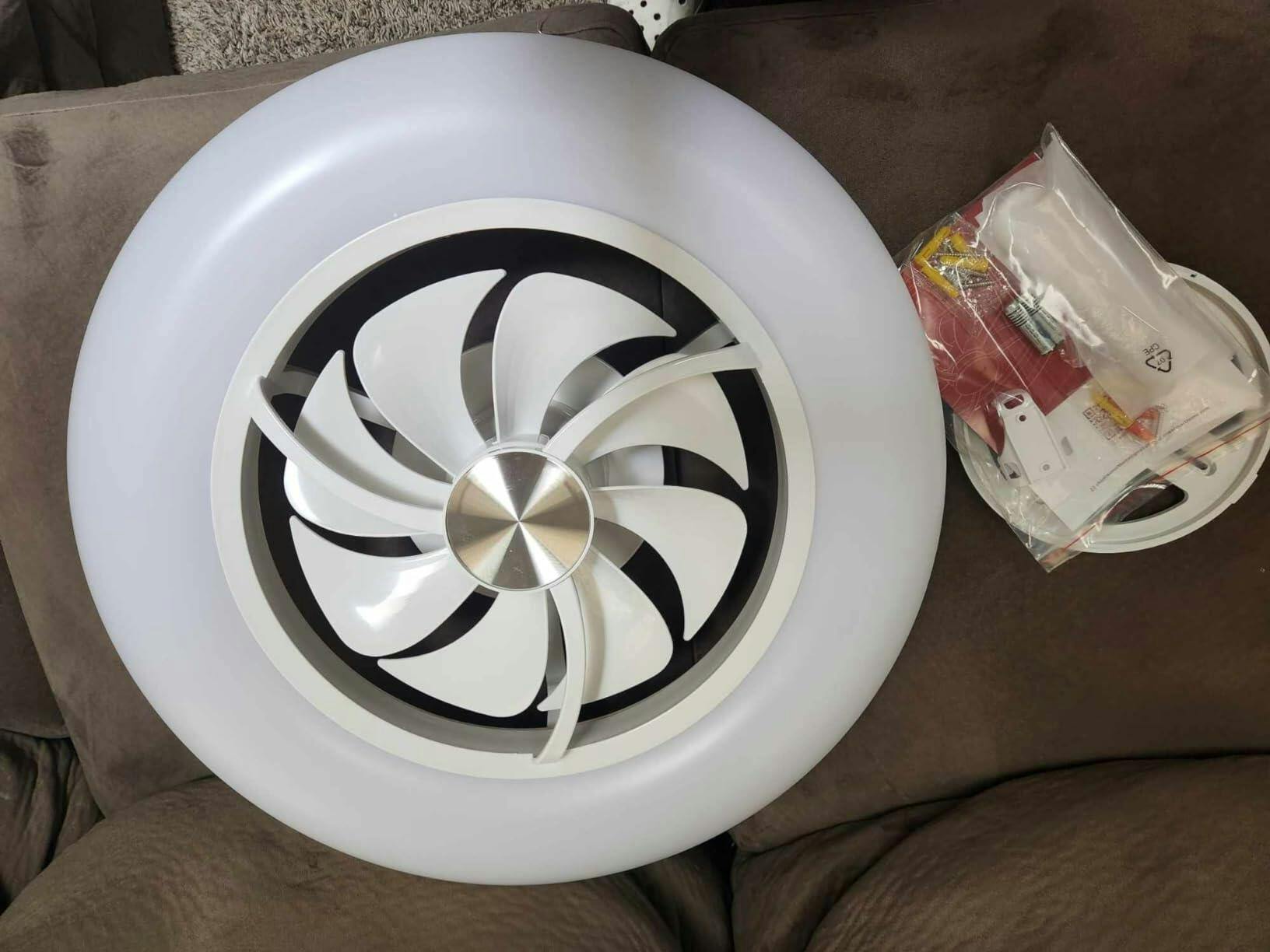
People want comfort that doesn’t hog space or cash. If you live in a tight flat or run a short-term rental, a compact, effective fan can change the whole feel of a room. That’s why I lean toward solutions like a smart ceiling fan with light — it combines air movement, light, and control without taking up floor space or creating visual clutter. User needs drive the choice: quieter motor, decent airflow, and simple controls beat flashy features that nobody uses.
What matters to real users (and landlords)
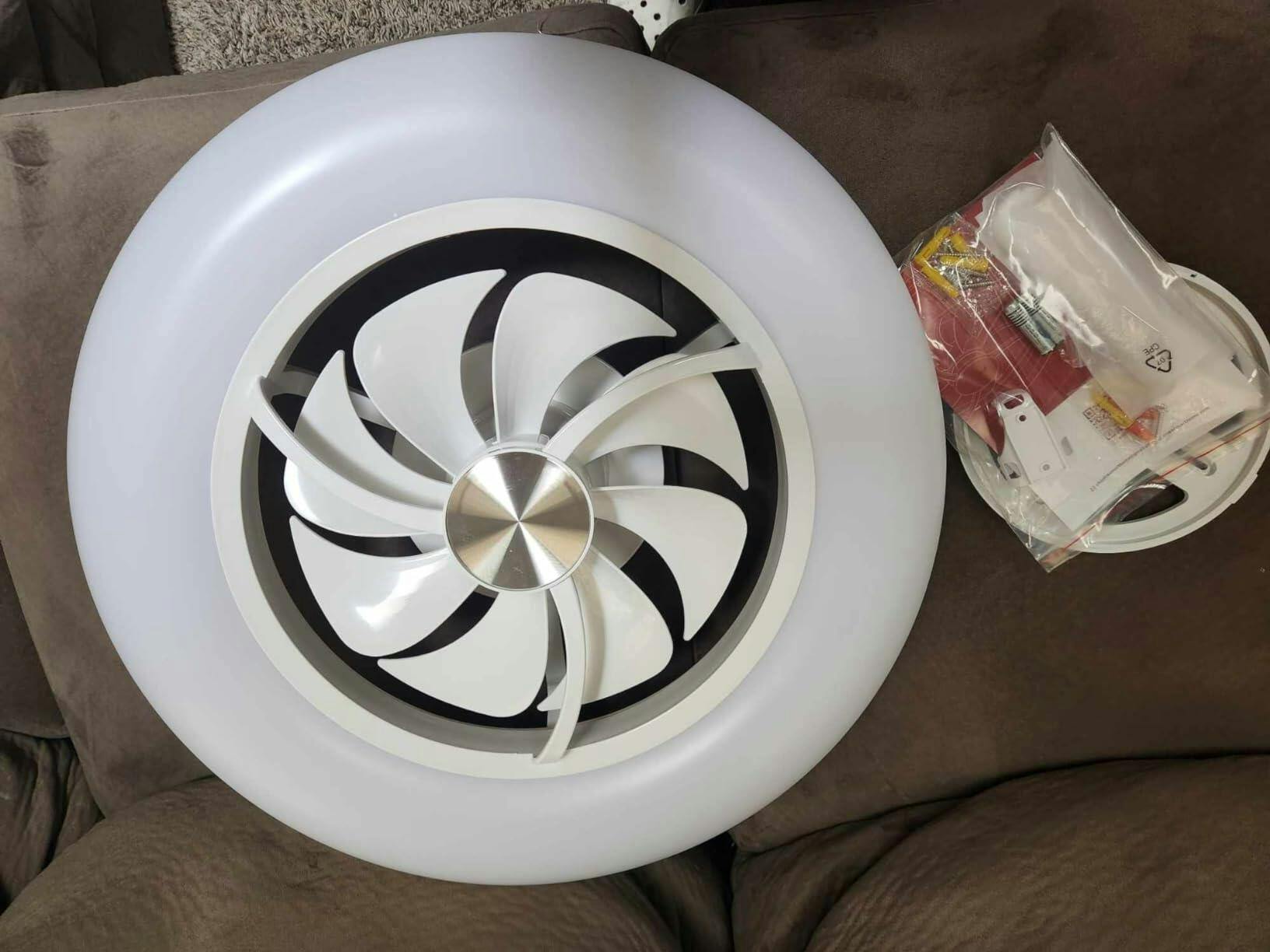
Think of three things first: comfort, footprint, and operating cost. Comfort means steady airflow at the right height — not a wind tunnel. Footprint is about where the unit sits: ceiling-mounted gear wins in small rooms because it frees floor and wall space. Operating cost is the long game — efficient motors and a dimmable LED cut bills and keep guests happy. After the 2020 supply-chain disruptions, folks started preferring multi-function units they could source faster and service locally — that real-world shake-up proved convenience is a feature by itself.
Simple checklist before you buy
Don’t overcomplicate it. Walk the room and ask:
- How big is the space? Smaller rooms need lower CFM but consistent circulation.
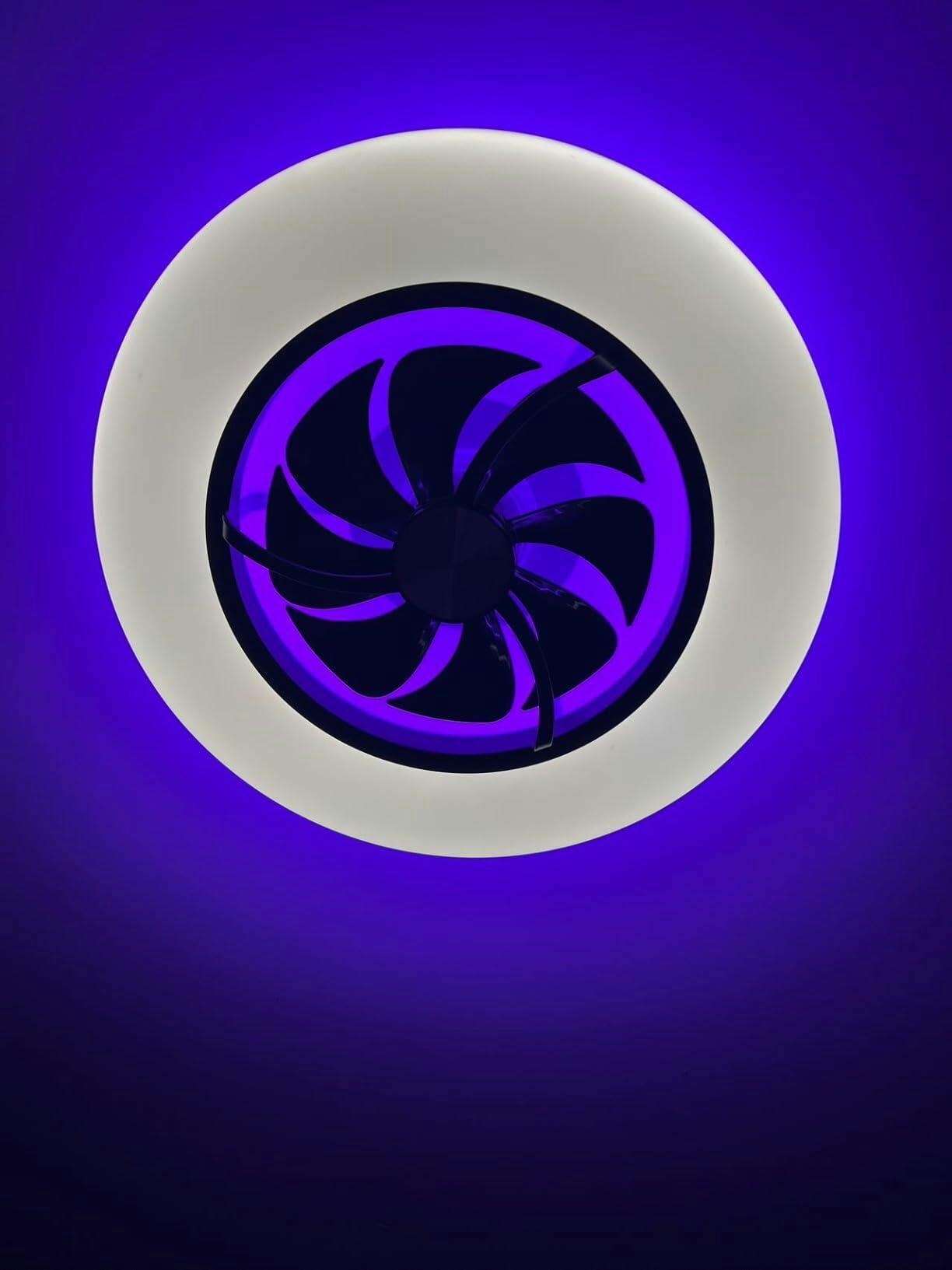
- Do you need integrated lighting? A dimmable LED avoids extra fixtures.
- Will it tie into a smart hub or just use a remote control? Wi-Fi connectivity adds convenience but can mean more setup.
Match the answer to a fan spec sheet — and always check the motor type and warranty. Brushless motors last longer and run quieter, which matters at night.
Placement, installation, and common mistakes
People screw this up by picking the fanciest unit and ignoring clearance, mounting type, and airflow pattern. Ceiling fans need proper drop height; too close to the ceiling and they push no air, too low and they feel drafty. If the room’s layout forces a short drop, choose a low-profile model designed for shallow mounts. Also, don’t assume remote control equals smart integration — a remote-only fan can’t be scheduled by an app. Test a sample in the room if you can — that one trial often saves a return.
Balancing aesthetics and function — user stories
I helped a small B&B in Austin swap bulky tower fans for a compact smart unit. Guests noticed the quieter nights and hosts loved the lower utility spikes. The room felt bigger — and the owner raised rates slightly because reviews mentioned comfort. Simple change, measurable value. —
Comparing options: quick guide
Here’s how to think about alternatives without getting lost in specs:
- Basic ceiling fan: cheap, reliable, minimal features. Good for budget installs.
- Ceiling fan with integrated light: saves fixture space and wiring work.
- Smart ceiling fan (Wi-Fi or Zigbee): best for scheduling, scenes, and remote diagnostics — useful for rentals and multi-room setups.
For shared properties or smart homes, tying fans into a hub gives better control and energy tracking. If you run a rental, that remote diagnostics piece reduces service calls.
Quick note on maintenance and performance
Keep blades clean and tighten mounts every year. Balanced blades maintain airflow and lower motor strain — neglect that and efficiency drops. If you get a unit rated with CFM numbers, expect real-world flow to be a bit lower in cramped rooms; factor that into your choice.
Three golden rules for choosing the right unit
1) Match output to room size: use published CFM guidelines but validate with a short trial. 2) Prioritize quiet, efficient motors — they improve sleep quality and lower bills. 3) Choose a mount and light combo that saves space and installation time.
Final advisory: three evaluation metrics to use now
Use these to cut through marketing fluff:
- Lead-time reliability — can you get replacements or spares quickly? Long waits kill rentals and renovations.
- Real-world energy draw — look beyond peak numbers; check standby and low-speed consumption over a week.
- Serviceability — are parts modular? Can a local electrician swap the motor or light without redoing the whole unit?
Measure those and you’ll pick gear that does the job without surprises. For tight rooms that need turnkey comfort, a well-chosen smart solution from a brand that supports quick service is the practical win — and that’s where smart fans ceiling options shine.
Orison fits that practical angle: straightforward installs, sensible features, and parts you can get without waiting months — it’s the kind of kit that turns small-room headaches into value. —