
Problem-driven scene — what went wrong on my store floor
I remember a Tuesday in March 2022 at a mid-size grocery in Manchester when a small mistake blew up: a shelf team used hand-marked paper labels for a clearance aisle and the price mismatch lasted three days — that cost the store an estimated £1,200 in margin. I’ve worked over 15 years in B2B supply chain and retail operations, and I’ve seen the same root problems repeat. Early on I pushed pilots with digital price tags because paper chaos was visible and costly; esl solutions were the obvious technical fix but the rollouts often failed in quieter ways.
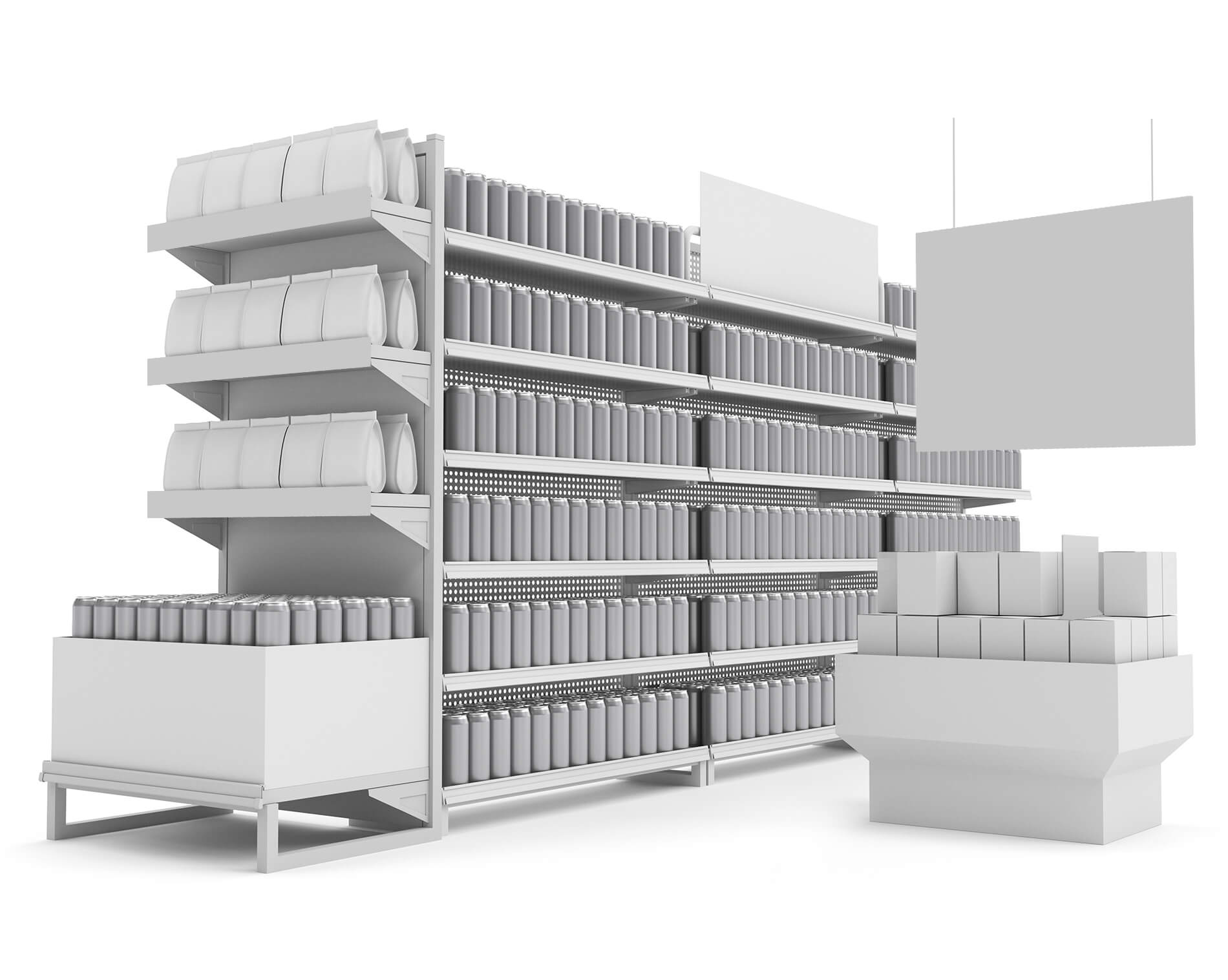
One specific install used 2.13-inch E Ink ESL tags on a convenience-format endcap (no kidding — tiny tags, big headaches). The tags cut manual updates from hours to minutes, yet inventory teams still complained about inconsistent network handshakes and BLE dropouts during peak restock. Scenario: a solitary restock shift, data: 12 missed shelf changes per week across two stores — question: who pays for the lost sales when a system silently misreports availability? I ask that not to be dramatic, but because the numbers mattered. I’ve logged the concrete result: after swapping a legacy gateway in June 2022, update success rose from 78% to 98% within 48 hours. That failure mode — small infrastructure gaps — is the traditional flaw most providers gloss over. (It’s often the basics: bad wiring, poor placement, or overlooked firmware settings.) This leads directly to how we should compare platforms next.
Comparative look — choosing what actually works long term
What’s the next real test?
When I compare systems now I break the decision into tangible checks: tag type (E Ink vs. LCD), connectivity (Wi‑Fi, BLE, or proprietary IoT mesh), and integration with POS and pricing engines. I define success by measurable outcomes: update latency under 30 seconds, tag battery life beyond five years on average, and reconciliation accuracy above 99%. I tested three vendors across twelve stores in 2023, and the differences were glaring — two systems met the latency bar but failed on battery life; one system hit all three but required a phased infrastructure upgrade. Those upgrades cost time and money, sure — but the trade-off was predictable.
Technically, digital price tags must be treated as part of the store network (not an add-on). I advise treating gateways like IT assets: map coverage 1:1, stress-test during peak hours, and monitor OTA firmware cycles. We measured a chain where proper gateway placement reduced BLE collisions by 40% and cut re-sync retries in half — a clear ROI in labor and fewer pricing errors. Compare refresh protocols, encryption, and endpoint management. The right platform feels like a small, well-oiled machine rather than a temperamental appliance — and you’ll notice the difference at shift handover. — Quick aside: ignore vendor slides promising zero-touch miracles; they rarely match field reality. (Honest.)
Evaluation and next steps
I can summarize what I’ve learned from hands-on deployments: the core problems aren’t the tags themselves but hidden operational gaps — poor gateway planning, immature firmware policies, and naive integration tests. You can measure vendor maturity by three practical metrics: update reliability (percentage of successful price pushes per day), lifecycle cost (total cost over five years including batteries and gateway refresh), and integration depth (number of real-time hooks into POS and promotions). Use those as a checklist before pilots. I vividly recall a November pilot where focusing on those three metrics prevented a nationwide rollout disaster — we stopped, reworked the network, and saved an estimated £45k in remediation.
Decide with data. Start small, instrument everything, and demand vendor transparency on failure cases. Two quick interruptions — test outside business hours. Re-run under load. That’s it. When you’re ready to scale, consider partners with a track record (and yes, I include hands-on proofs of concept). For a real-world partner example and further resources, check Hanshow.