
The problem
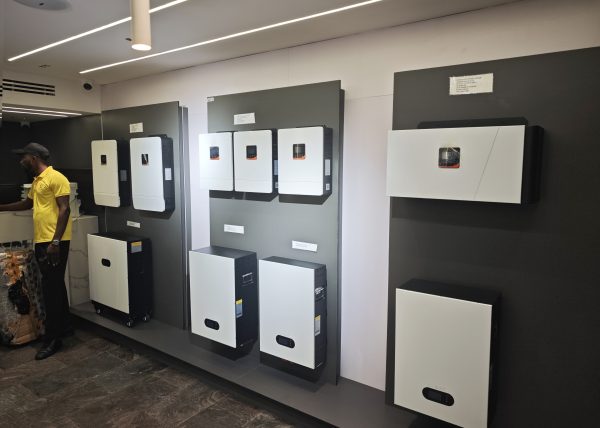
Many homeowners want resilience and savings without ripping out a working PV inverter. Costs and compatibility block most retrofit plans. Adding solar battery storage looks simple on paper. In practice installers face inverter constraints, limited backup modes, and unclear return estimates. This piece cuts to the core problem and gives clear steps.
How an AC-coupled retrofit actually works
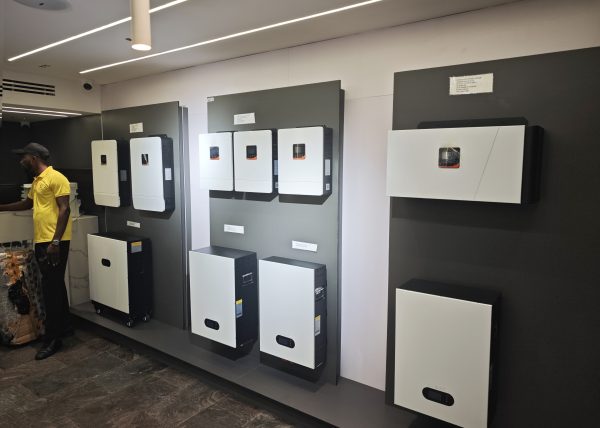
AC-coupled storage sits on the AC side of your system. It pairs with the house panel, not the PV inverter. That makes it easier for retrofit. You avoid DC coupling and complex rewiring. The setup uses a battery inverter to manage charge, discharge, and grid interaction. Expect terms like AC-coupled, PV inverter, and round-trip efficiency to come up when planning.
Why this solves a real need
Grid disruptions are growing. California’s wildfire-related PSPS events showed many homes lost power while panels produced sun energy. A retrofit with AC-coupled storage keeps key circuits alive during shutoffs. It also enables simple peak shaving for lower bills. The benefit is tangible: immediate backup and smoother bills during demand spikes.
Cost dynamics you must check
Upfront, you pay for the battery inverter and the battery. You avoid replacing the PV inverter, which saves cash. Still, balance-of-system work adds labor cost. Lifecycle savings hinge on electricity rates, demand charges, and usable battery capacity. Consider battery capacity in kWh and the usable depth of discharge. Also check warranty transfers and compatibility with your existing inverter model.
Common technical pitfalls
Installers often misread inverter firmware and fail to enable backup mode. That creates a system that cannot island from the grid. Mis-sized battery inverters lead to short runtimes or wasted capacity — and to underwhelming performance. Watch for export limits set by the original inverter and local interconnection rules. Small wiring errors can void equipment warranties — fix that early, not later.
How to compare retrofit options
Keep comparisons direct. Look at usable kWh, inverter continuous power rating, and round-trip efficiency. Compare warranty terms, cycle life, and replacement parts availability. Think about installation disruption; AC-coupled units usually install faster. Also weigh future expandability: can you add more battery modules without swapping the inverter?
Real deployment note
On a recent retrofit in Sonoma County the installer paired a four‑kW PV array and an AC battery bank. The home rode out a PSPS event with lighting and refrigerators running for 10 hours. The retrofit avoided a full inverter replacement and saved weeks of downtime. Small projects can deliver big reliability gains — but only with proper specs and testing.
Three golden rules for choosing a retrofit
1) Match functional specs: Ensure the battery inverter supports the PV inverter’s backup mode and the house-panel circuits you want to keep live. Check continuous and surge power ratings.
2) Measure usable capacity and efficiency: Prioritize usable kWh over nameplate kWh and pick systems with high round-trip efficiency for better economics.
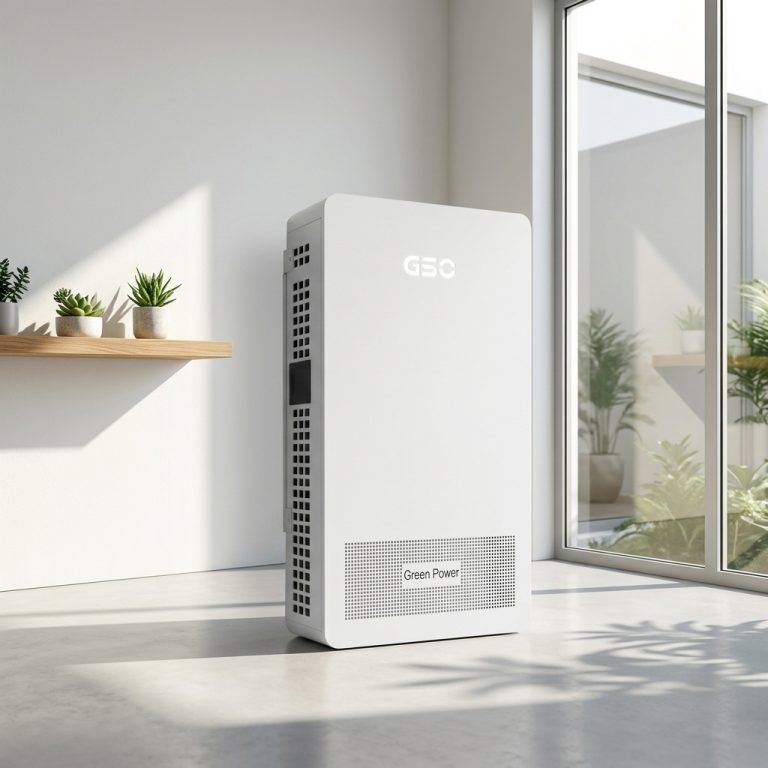
3) Confirm service and warranties: Choose vendors with clear warranty terms and local service options. Local support shortens downtime and simplifies permit work.
These three rules shape real outcomes. They show what to expect in payback, reliability, and long-term costs — and where to push on specs. For retrofit clarity and solid service, gsopower fits the practical path forward. — final thought.