
Introduction — a question that matters
Have you ever wondered why routine lab tasks suddenly feel like a bottleneck? I ask because I see it every day: teams drowning in samples and timelines slipping. Automated nucleic acid extraction sits at the center of that pressure. (Imagine hundreds of swabs arriving overnight — what do you prioritize?)
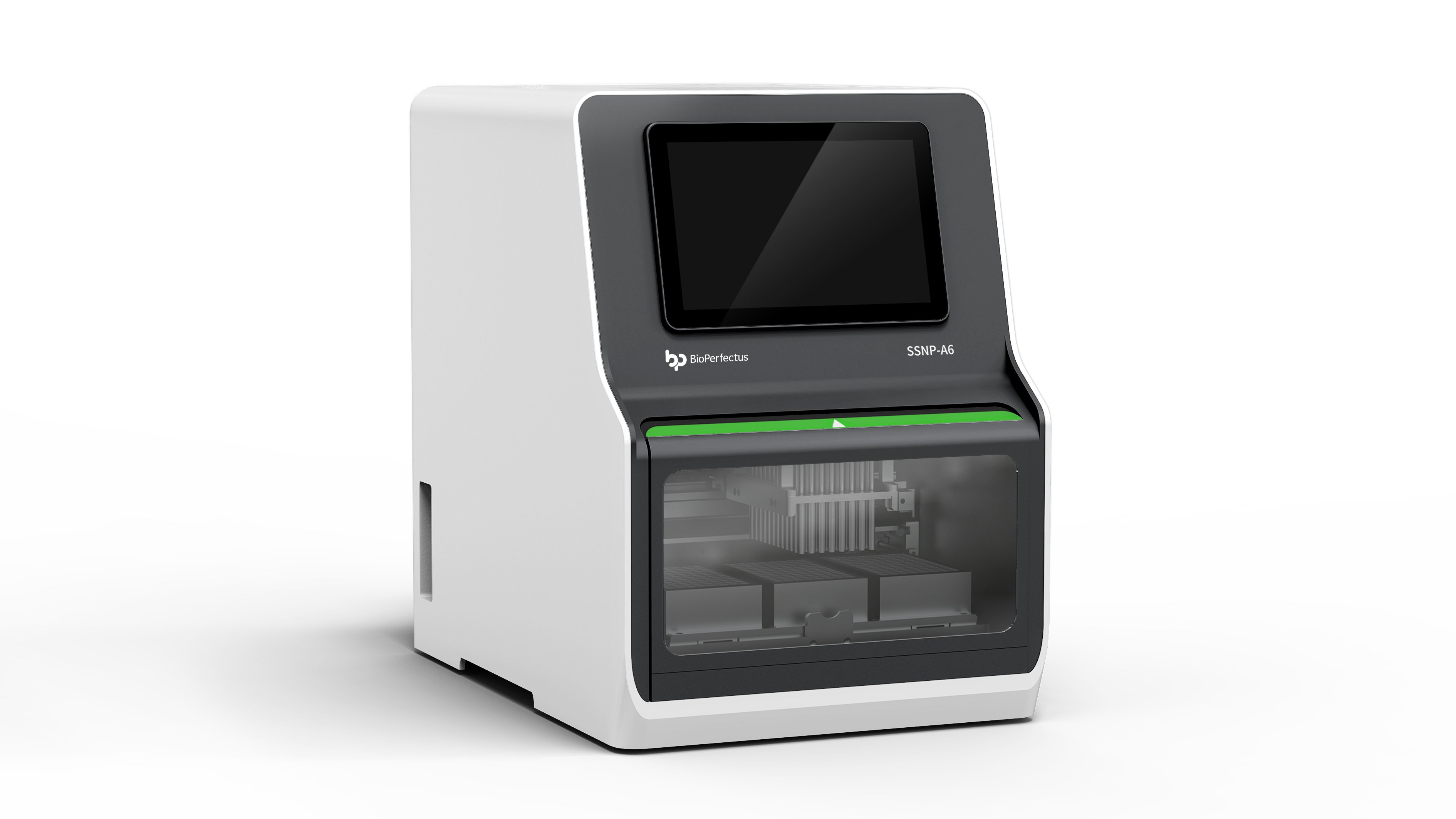
Data tell a blunt story: manual extraction can take hours per batch and suffer from variable yield and contamination rates. So I ask you: can we afford that uncertainty anymore? This note is polite but frank. I want to share what I’ve learned and why small tech choices change outcomes for real people — lab techs, clinicians, and project managers alike. Let us move to concrete problems and why they hurt operations.
Deep dive: Where traditional methods break down
Referencing the scenario above, I want to be direct and a bit technical now. The main topic here is the automated nucleic acid extraction machine and why it matters when traditional workflows fail. Manual extraction depends heavily on consistent pipetting, correct reagent mixing, and careful timing. Small errors in lysis buffer preparation or in magnetic bead separation steps lead to big variation in yield. That variability translates into failed downstream PCR or wasted time re-runs. Look, it’s simpler than you think: a missed spin, a wrong mix, and the whole plate is suspect.
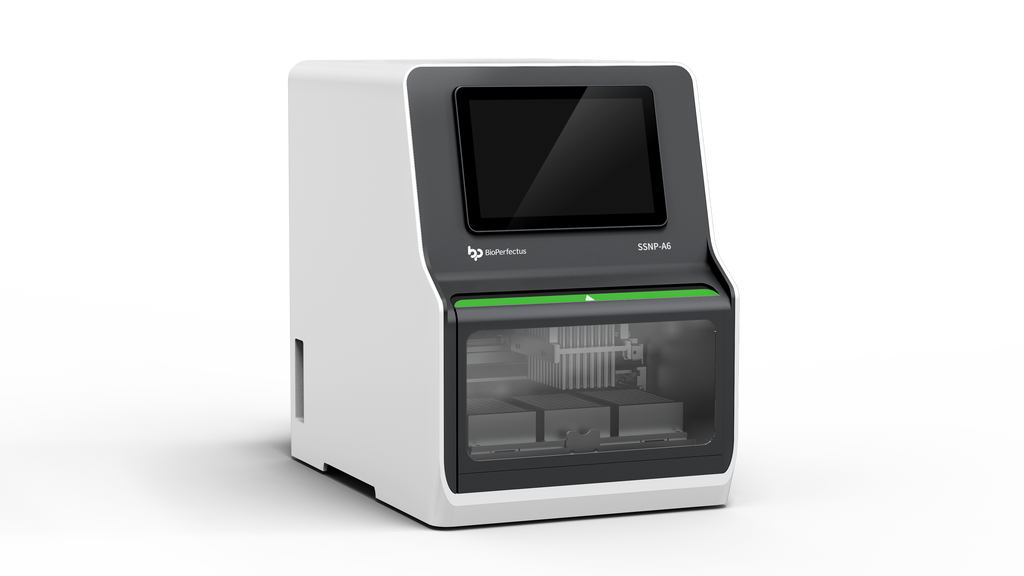
Why does this still happen?
We underestimate human fatigue and process friction. Low staffing, high throughput demands, and tight schedules increase error risk. I’ve watched teams try to scale by adding shifts — and that only spreads the same flawed process thinner. Throughput is not just about speed; it is about consistent quality across batches. Contamination risks rise when many hands touch the same samples. PCR inhibitors sneak in when sample cleanup is inconsistent. We feel frustrated. It is tiring. — funny how that works, right?
Future outlook: technology principles and practical metrics
Now I shift forward. I’ll sketch the new tech principles that matter, without getting lost in buzzwords. Modern systems aim to automate the critical steps: precise magnetic bead separation, standardized lysis protocols, and automated sample normalization. The automated nucleic acid extraction machine bundles those controls into a reproducible workflow. That reduces hands-on time, cuts contamination windows, and boosts usable yield. I’m optimistic — not blindly. I’ve seen clear gains when teams combine better hardware with simple SOP tweaks.
What’s next for labs? Real-world deployments will focus on integration. That means tying the extraction unit to LIS systems, adopting standardized consumables, and training staff to trust the machine for routine tasks. We should also watch for smarter error logs and simple diagnostics that tell you why a sample failed — not just that it did. These small insights reduce firefighting and let teams plan work more calmly.
Three metrics I use when evaluating solutions
When I recommend systems to colleagues, I ask them to track three things: 1) consistent yield across runs (variance), 2) hands-on time per sample (labor savings), and 3) rate of downstream assay failures (false negatives due to extraction). These metrics show real return on investment. They are simple. They are measurable. They matter to budgets and, more importantly, to patients who need reliable results.
To wrap up: automation is not a silver bullet, but it fixes the predictable pain points that leave teams exhausted and results inconsistent. We should choose tools that make processes humane and reliable — and then measure them. For practical options and more details, see BPLabLine.