
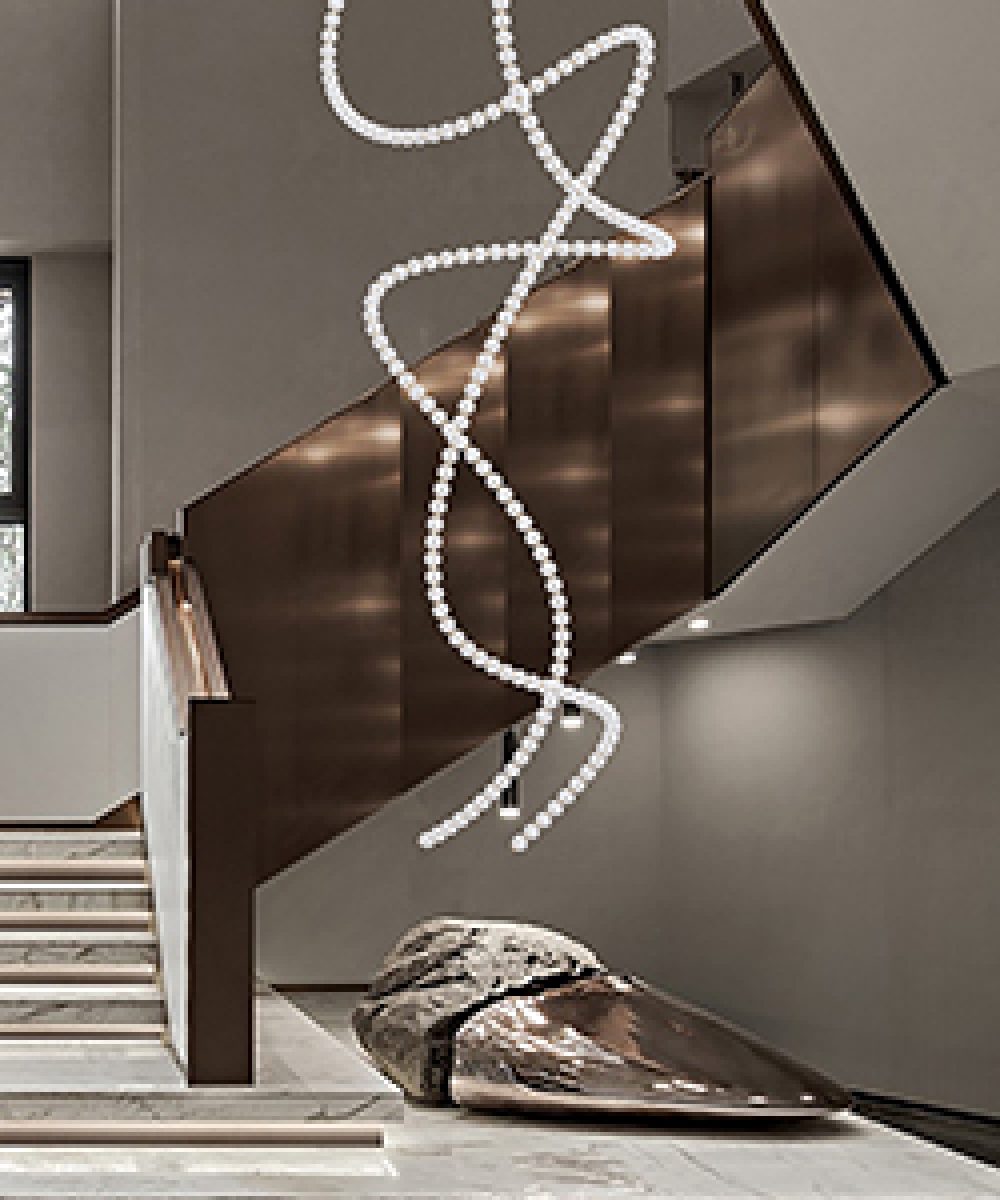
Introduction: When the “Wow” Turns Into “Meh”
Ever stare at a gleaming lobby and wonder why the lights feel tired on day one? A bespoke lighting company said it would be “signature,” yet the glow lands flat, like a stale punchline. On many projects, budgets swell, schedules slip, and the punch list grows—then the value engineering kicks in, and the soul drains out. You get a fixture that photographs fine but washes the room in dull light. Is that the custom you paid for, or just custom paperwork?

Here’s the awkward bit: teams chase form, then discover function late. The specs look sharp, but the install reveals glare, hot spots, and flicker. Meanwhile, procurement treats luminaires like chairs, as if you can swap in a cheaper SKU and keep the vibe (you can’t). The misfires aren’t random; they’re the result of thin discovery, vague mockups, and missing constraints. Bold claim—most “custom” fails because the process isn’t actually custom. Let’s turn that around with clear comparisons and a tighter method. Onward to the real snags.
The Hidden Snags the Brochures Skip
When teams vet bespoke lighting manufacturers, they often fixate on finish samples and miss the guts. Drivers get crammed into tight cavities, thermal management is an afterthought, and lumen output is guessed from a pretty render—funny how that works, right? Then come the surprises: a fixture passes design review but flunks the mockup because optical diffusion wasn’t modeled for actual ceiling height. And if IP rating or local codes are “to be confirmed,” expect a late redesign. Look, it’s simpler than you think: test the light on the surface it will wash, not in a blank studio, and demand photometrics that match real mounting conditions.
The silent pain points hide in handoffs. Design thinks “one-off sculpture,” operations hears “repeatable kit.” Procurement swaps approved LEDs, and suddenly power converters buzz, color shifts, and DMX control scenes break. Users don’t say “my drivers are underpowered”; they say “this room feels off.” That gap is fixable. Bring maintenance into early reviews, specify service clearances, and log every assumption about heat, finish, and field aim. A custom luminaire isn’t just a shape—it’s an engineered system with load, heat, and light behavior baked in. Miss one, and the space pays for it every day.
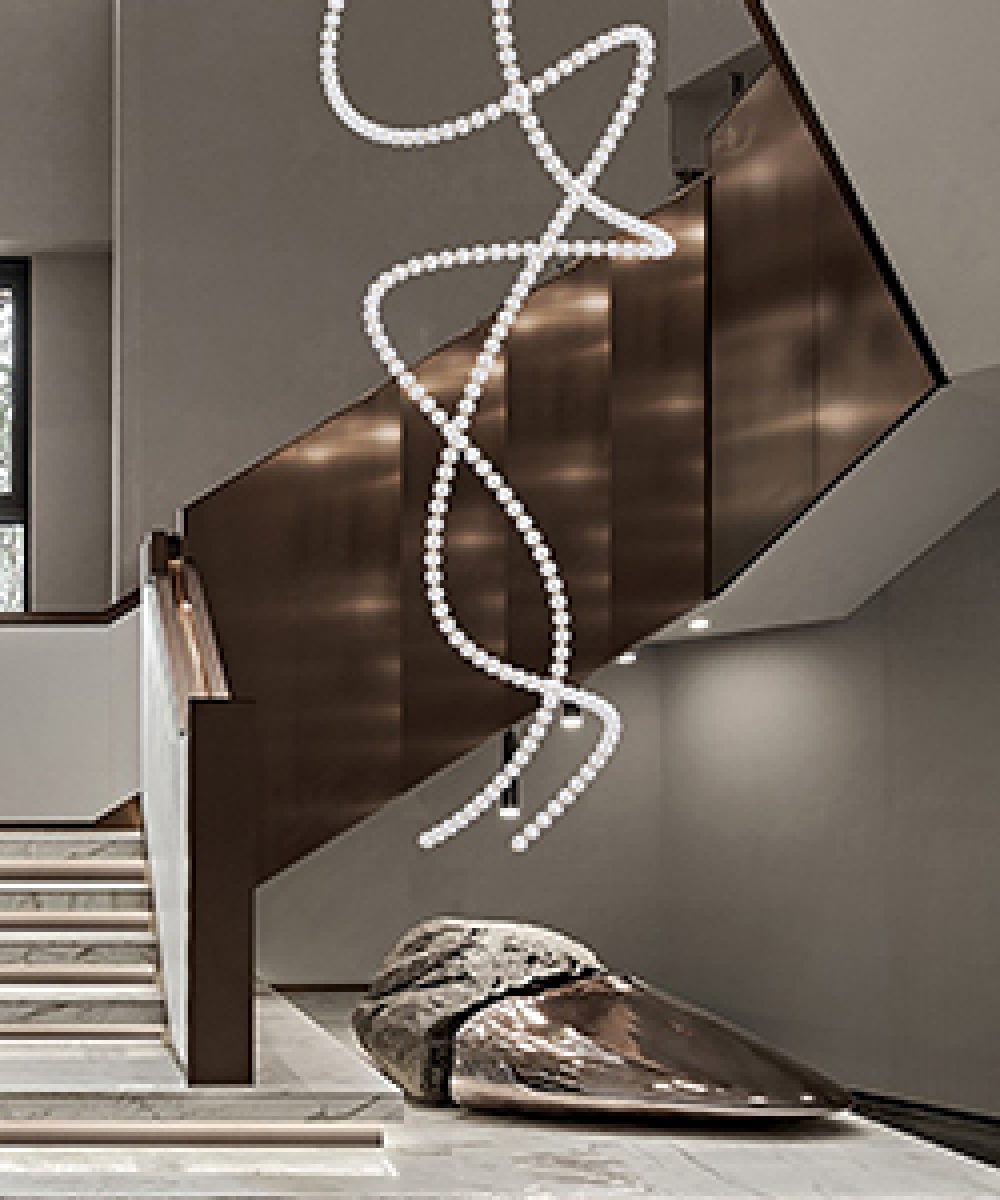
Comparative Path Forward: Digital Specs, Real Light
Let’s shift from guesswork to grounded choices. The next wave replaces static PDFs with live spec models—small, practical digital twins that tie materials to measurable outputs. Instead of a glossy rendering, you get a quick sandbox: dial beam angles, change optical diffusion, and see how glare and spill change at your exact mounting height. Then push it to a rapid mockup with the intended drivers and controls on a wall plate. You’re testing the system, not the sales pitch. This matters when a custom pendant light must deliver even tone over tables while keeping the uplight clean on the ceiling plane. Semi-formal truth: if you can’t validate thermal management and photometrics early, you’re still gambling.
Real-world Impact
Here’s a simple comparison. Old way: approve finishes, pray the light is “fine,” and scramble during commissioning. New way: confirm photometrics with site heights, lock drivers and controls (yes, DMX control or DALI if needed), and run a mock night with the actual dimming curve. The result? Fewer callbacks, cleaner wiring paths, stable color, and a fixture that reads intentional rather than improvised. And because the model ties parts to outcomes, substitutions flag risk in plain language—no decoding required. It’s not flashy, but it’s faster and cheaper in real life—especially when maintenance can service parts without tearing down a ceiling bay.
Use three metrics to choose smarter: 1) Light quality you can measure—uniformity, glare index, and target lumen output at the working plane; 2) System resilience—thermal headroom, driver access, and spare part lead times; 3) Commissioning clarity—documented scenes, dimming curves, and failure modes. If a partner can’t show these in a pilot mockup, keep walking. Spaces deserve light that works hard and looks effortless, every day. That’s the point, not the brochure. For teams who want the craft and the math to meet—well—start here, learn fast, and keep the room honest with data and a bit of taste. kinglong