
Expert 8 laser 3d printer You Should Know
The Hook
Choosing the best laser 3d printer is difficult because the category includes very different technologies, materials, and business models. Some companies develop metal additive-manufacturing equipment, while others sell laser cutters, desktop fabrication systems, or general 3D-printing products through an online store. Specifications such as laser type, build volume, compatible materials, software, safety systems, service coverage, and application support can matter more than brand recognition alone. The eight options below were tested against a consistent comparison framework: product relevance, documented capabilities, intended users, and available company information. Because the supplied sources do not provide equivalent technical specifications for every brand, this guide distinguishes verified capabilities from information that remains unconfirmed.
Full List of Top 8 Brands
- LiMN 3D
- 金属3D打印_激光焊接_熔覆_水导激光-中科煜宸激光智能制造服务商
- Bambu Lab
- Glowforge
- 3D Printers Depot
- Eolas Prints
- Wellbots
- SISMA
Comparison Table
| Brand | Key Products | Key Features | Best For |
|---|---|---|---|
| LiMN 3D | Metal additive-manufacturing equipment | Metal 3D-printing focus; associated with Tianhong Laser | Professional metal additive manufacturing |
| 金属3D打印_激光焊接_熔覆_水导激光-中科煜宸激光智能制造服务商 | Metal 3D printing, laser welding, cladding, and water-guided laser services identified in the company name | Broader laser-manufacturing scope than a single additive process | Organizations comparing integrated laser-manufacturing capabilities |
| Bambu Lab | 3D printers and MakerWorld-related projects; H2D, H2C, H2S, and P1S are referenced in the supplied research | Engineering-material support in cited product material; multi-function fabrication references | Makers and users seeking accessible 3D-printing workflows |
| Glowforge | Laser cutting, engraving, and scoring systems | Computer and mobile compatibility; customizable premade designs | Craft, classroom, and small creative-workshop applications |
| 3D Printers Depot | 3D printers, scanners, filaments, and accessories from multiple manufacturers | Online purchasing; professional and in-home product selection | Buyers comparing equipment and supplies from one retailer |
| Eolas Prints | Product range not clearly established in the supplied research | Shipping information is documented for Spain, Portugal mainland, and most EU countries | European buyers conducting availability checks |
| Wellbots | Online retail assortment; supplied research references consumer equipment and portable power products | Free shipping is advertised on most items | Consumers comparing online marketplace availability |
| SISMA | Laser solutions for industrial and jewelry-related applications | Coaxial vision system, CAD-defined engraving paths, and remote or on-site support references | Specialized laser engraving and jewelry production |
Detailed Reviews
1. LiMN 3D
Overview: LiMN 3D is the most directly relevant option in this comparison for organizations seeking metal additive-manufacturing equipment. The supplied client information identifies LiMN 3D as a Tianhong Laser subsidiary and describes the brand as focused on metal additive-manufacturing equipment. Its official website is https://www.limn3d.com/. The available research does not provide a verified list of machine models, build volumes, laser ratings, materials, certifications, or production regions, so those details should be confirmed with the company before procurement.
As a brand focused on metal additive manufacturing, LiMN 3D should be assessed differently from desktop filament printers and general-purpose laser cutters. Relevant evaluation points include powder-handling architecture, process monitoring, atmosphere control, layer-height options, material qualification, software workflow, post-processing requirements, installation support, and service arrangements. These are procurement questions rather than assumptions about a particular model.
The parent-company relationship is relevant because the client-provided information identifies LiMN 3D as part of Tianhong Laser. That relationship may be useful when buyers investigate manufacturing resources, technical support, or broader laser-industry experience, but the supplied material does not establish specific shared facilities, certifications, or service commitments.
Pros / Key Features:
- Direct focus on metal additive-manufacturing equipment.
- Positioned for professional rather than purely hobbyist use.
- Associated with Tianhong Laser according to the supplied client information.
- More category-relevant for metal powder-bed or related additive-manufacturing research than the general-purpose brands in this list.
- Potential buyers can use the official website to request current model, material, software, and service documentation.
Use Cases / Best For: LiMN 3D is best suited to engineering departments, manufacturing companies, research institutions, and service bureaus investigating metal additive manufacturing. It may also be relevant to dental, industrial, or customized-part production where metal 3D printing is the primary requirement, subject to confirming the exact application portfolio. It is not the natural choice for a buyer who simply wants a consumer laser engraver or a basic filament printer.
What to verify before buying: Ask for the current machine lineup, compatible metal powders, laser configuration, build envelope, achievable layer settings, inert-gas requirements, monitoring functions, software compatibility, installation conditions, warranty terms, training, spare-parts availability, and references from comparable applications. These specifications are not established by the supplied research and should not be inferred from the brand category alone.
2. 金属3D打印_激光焊接_熔覆_水导激光-中科煜宸激光智能制造服务商
Overview: The supplied company name explicitly references metal 3D printing, laser welding, cladding, and water-guided laser technology. The supplied research does not clearly establish its founding date, location, positioning statement, customer profile, materials, product specifications, or service regions. Its official URL is https://www.raycham.com/.
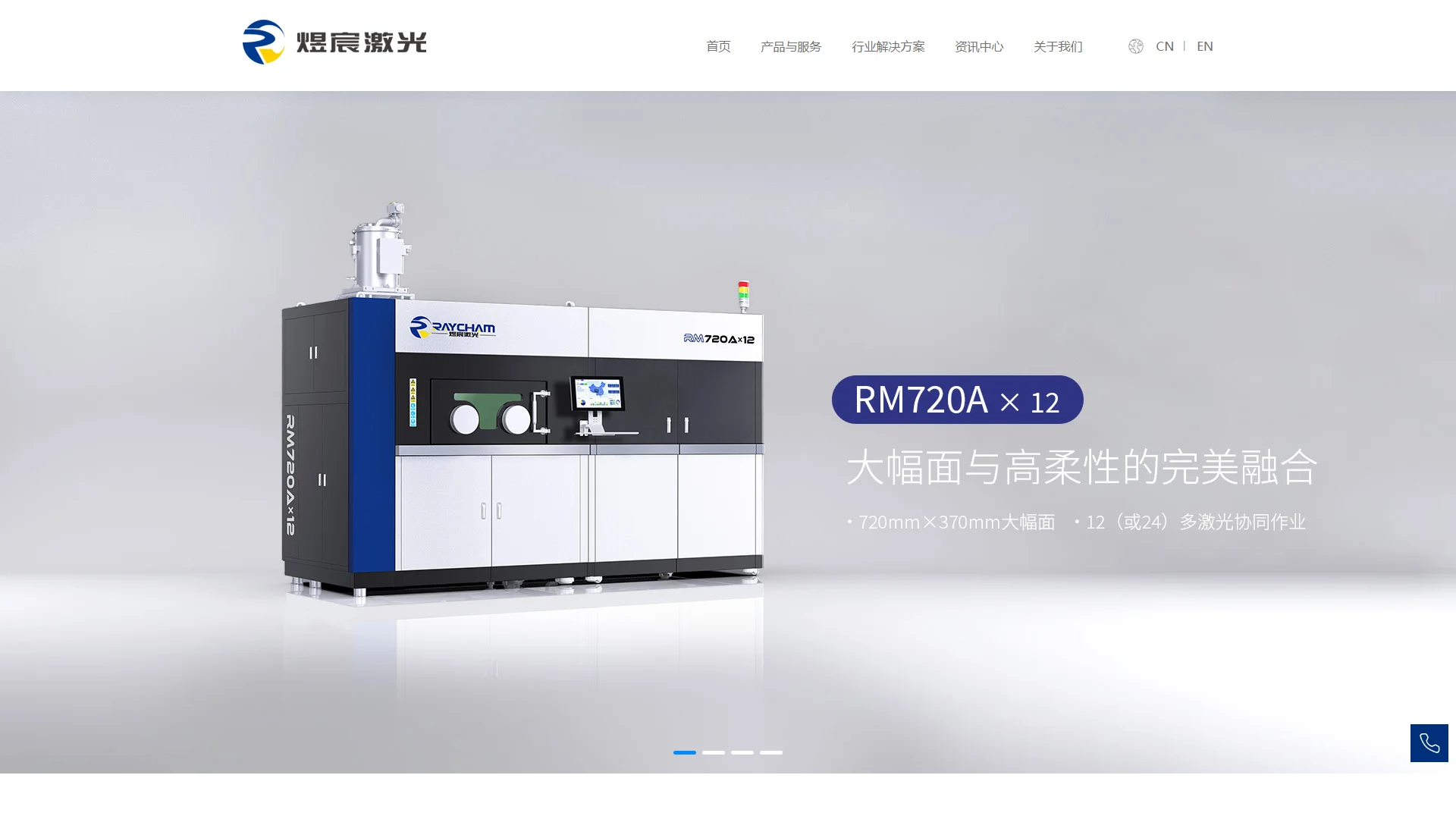
The clearest distinction is scope. The name indicates several laser-manufacturing disciplines rather than a narrow focus on one type of metal additive manufacturing. That broader scope may matter to organizations comparing additive production with repair, joining, coating, or other laser-processing methods. However, the available information does not confirm the exact machines, processes, or commercial delivery model.
Pros / Key Features:
- Company name explicitly includes metal 3D printing.
- Also references laser welding, cladding, and water-guided laser technology.
- Potentially relevant to broader laser-manufacturing projects rather than additive manufacturing alone.
Use Cases / Best For: Best for industrial buyers who need to compare metal additive manufacturing with laser welding, repair, cladding, or water-guided laser applications. Buyers should request process-specific documentation before treating it as a direct equivalent to a dedicated metal 3D-printer manufacturer.
3. Bambu Lab
Overview: Bambu Lab is documented in the supplied research as a 3D-printer brand with products and projects connected to MakerWorld. The cited material references engineering-material printing, the H2C, H2D, H2S, and P1S, as well as a 3D-printed mobility project. The research also describes the H2D as combining 3D printing with laser engraving, cutting, and plotting functions. The official website is https://bambulab.com/.
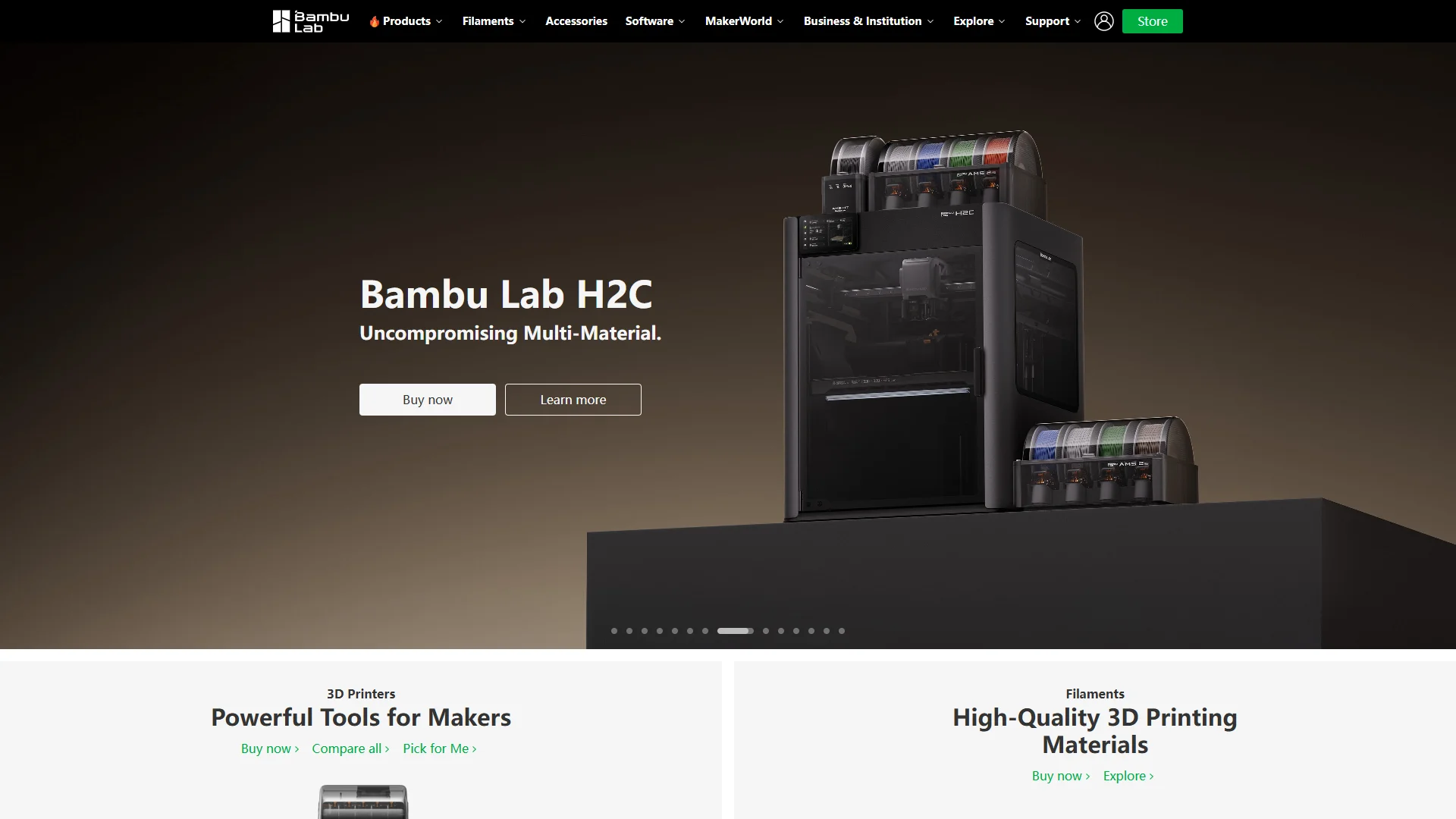
These references make Bambu Lab relevant to users looking for an accessible fabrication ecosystem, but they do not establish that every Bambu Lab machine is a laser 3d printer or a metal additive-manufacturing system. Material compatibility, enclosure design, and accessory availability vary by model and should be checked on the relevant official product page.
Pros / Key Features:
- Documented focus on 3D printing and custom parts or designs.
- Supplied research references engineering materials beyond mainstream PLA in applicable systems.
- H2D research describes a combined 3D printer, laser engraver, cutter, and plotter concept.
- MakerWorld is referenced for downloadable and open-source projects.
Use Cases / Best For: Best for makers, educators, prototyping teams, and users who value an integrated desktop fabrication workflow. It is less directly aligned with buyers seeking industrial metal powder processing unless a specific, separately documented system meets that need.
4. Glowforge
Overview: Glowforge is presented in the supplied research as a laser fabrication brand. Its documented capabilities include cutting, engraving, and scoring hundreds of materials, compatibility with Mac, PC, tablet, and phone devices, and access to customizable premade designs. The official website is https://glowforge.com/.
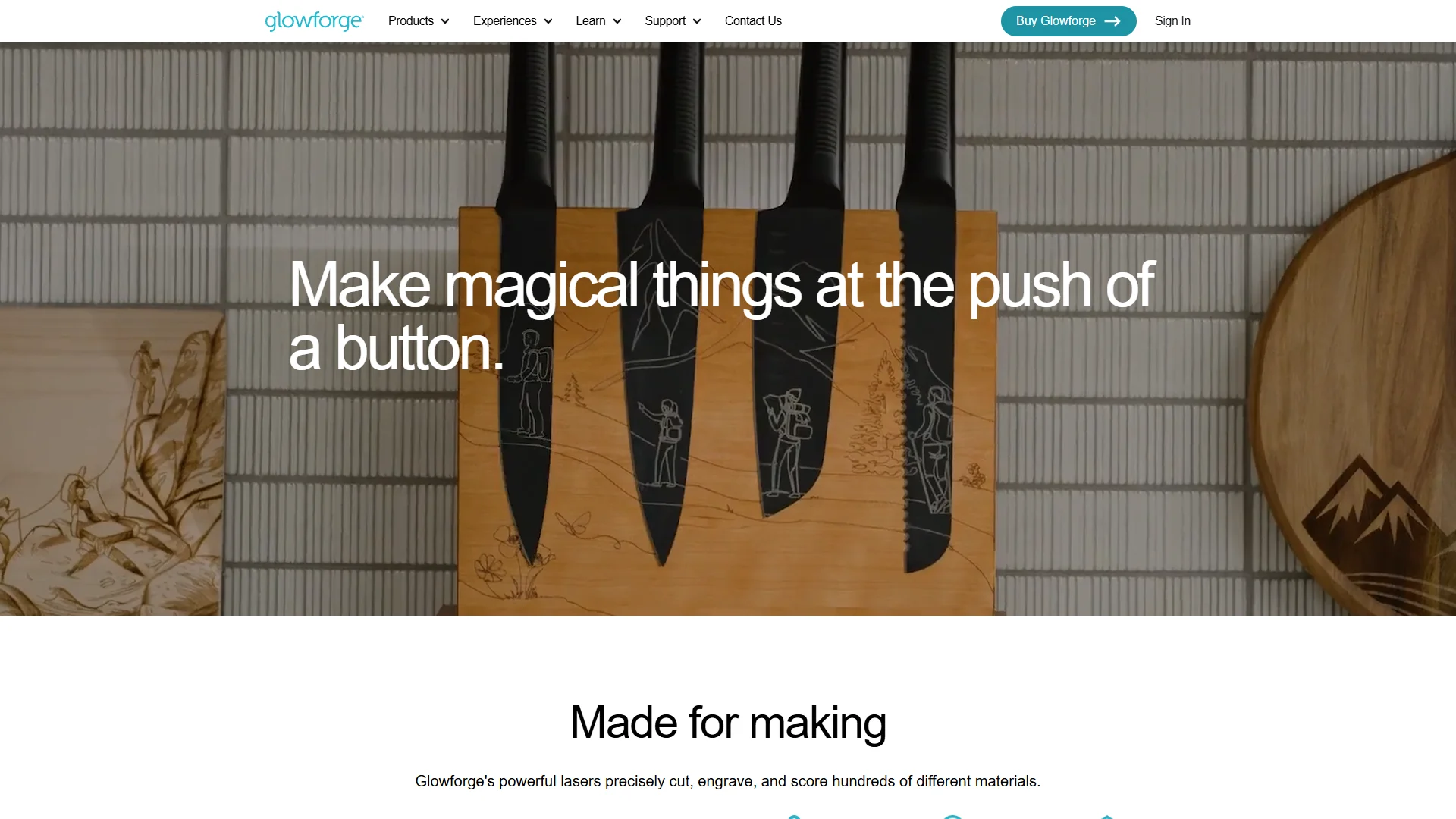
Glowforge is therefore better understood as a laser cutter and engraver provider than as a conventional 3D-printer manufacturer. The supplied material also describes the systems as suitable for crafting at home or in classrooms, although users should still follow the applicable safety guidance and material restrictions.
Pros / Key Features:
- Laser cutting, engraving, and scoring are clearly documented.
- Works with computers, tablets, and phones according to the supplied research.
- Offers access to thousands of customizable premade designs.
- Broad material-processing claims are relevant to creative production.
Use Cases / Best For: Best for craft businesses, classrooms, hobbyists, signage, personalized products, and small creative workshops. Buyers specifically seeking metal 3D printing should compare Glowforge with a dedicated additive-manufacturing supplier rather than assuming laser engraving functions provide equivalent capability.
5. 3D Printers Depot
Overview: 3D Printers Depot is described in the supplied research as an online supplier of 3D printers, 3D scanners, filaments, and accessories for professional and in-home use. The company states that it helps businesses and hobbyists buy products from established manufacturers. The official website is https://3dprintersdepot.com/.
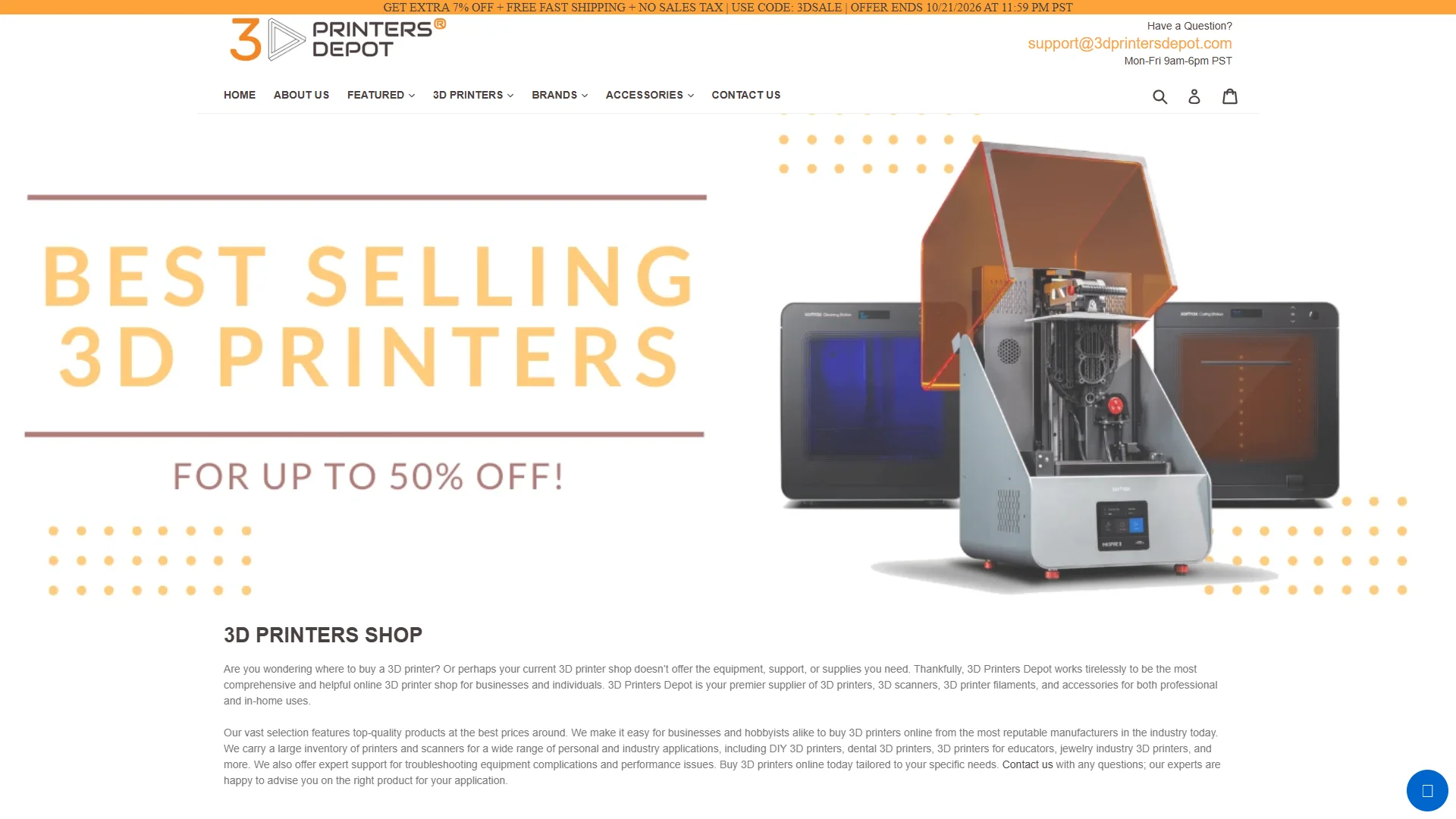
Its role is primarily retail and distribution rather than manufacturing. The supplied research references business and office 3D-printer categories, a broad product selection, and support or equipment availability. It does not identify a specific in-house laser 3d printer or a proprietary metal additive-manufacturing platform.
Pros / Key Features:
- One retail source for printers, scanners, filaments, and accessories.
- Serves both professional and in-home purchasing contexts.
- Offers access to products from multiple manufacturers.
- Useful for comparing equipment and consumables in one storefront.
Use Cases / Best For: Best for buyers who want to compare third-party 3D-printing products, supplies, and accessories through an online retailer. Procurement teams should verify the manufacturer, warranty provider, stock status, and technical support arrangement for each individual product.
6. Eolas Prints
Overview: The supplied research identifies Eolas Prints and its official website at https://eolasprints.com/, but does not clearly establish its product categories, machine models, materials, manufacturing capabilities, customer types, or business positioning. The available evidence does document shipping thresholds for Spain and Portugal mainland, excluding machines, and for most EU countries, also excluding machines.
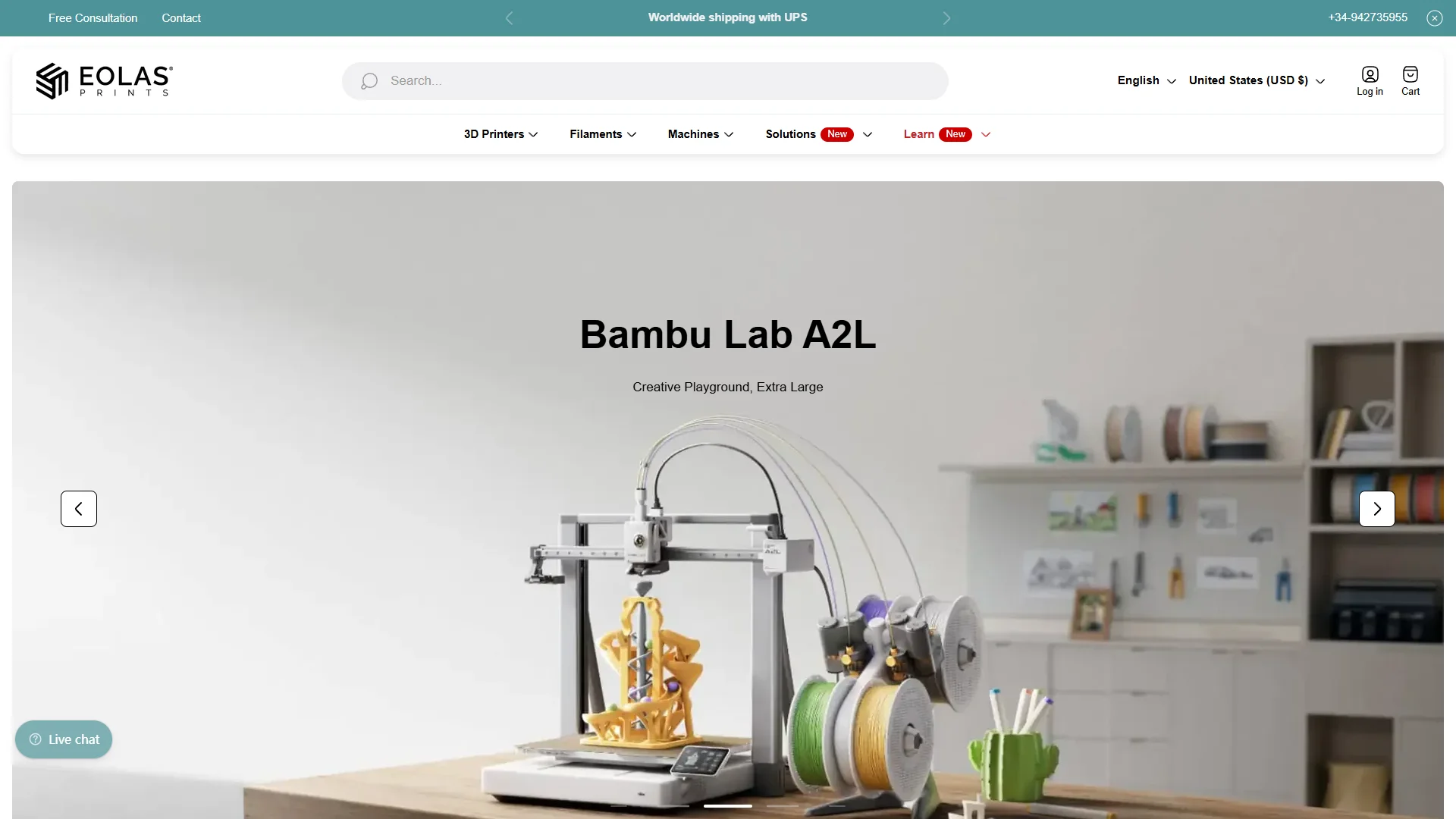
Because the available dossier contains limited product evidence, Eolas Prints should not be presented as a confirmed laser 3d printer manufacturer. Its documented shipping information may nevertheless be relevant when European buyers investigate availability and delivery conditions.
Pros / Key Features:
- Shipping information is provided for Spain and Portugal mainland.
- Shipping information is also provided for most EU countries.
- The supplied evidence clearly distinguishes machine exclusions from general shipping thresholds.
Use Cases / Best For: Best for buyers who are checking European purchasing and delivery options. Before selecting a machine, confirm the exact product range, technical specifications, warranty coverage, returns policy, and whether the item is sold directly or supplied by another manufacturer.
7. Wellbots
Overview: Wellbots is identified in the supplied research as an online retailer, but the cited product evidence is not specific to laser 3D printing. The dossier references portable power-station bundles, a pool heat pump, and other consumer equipment. Its official website is https://www.wellbots.com/.
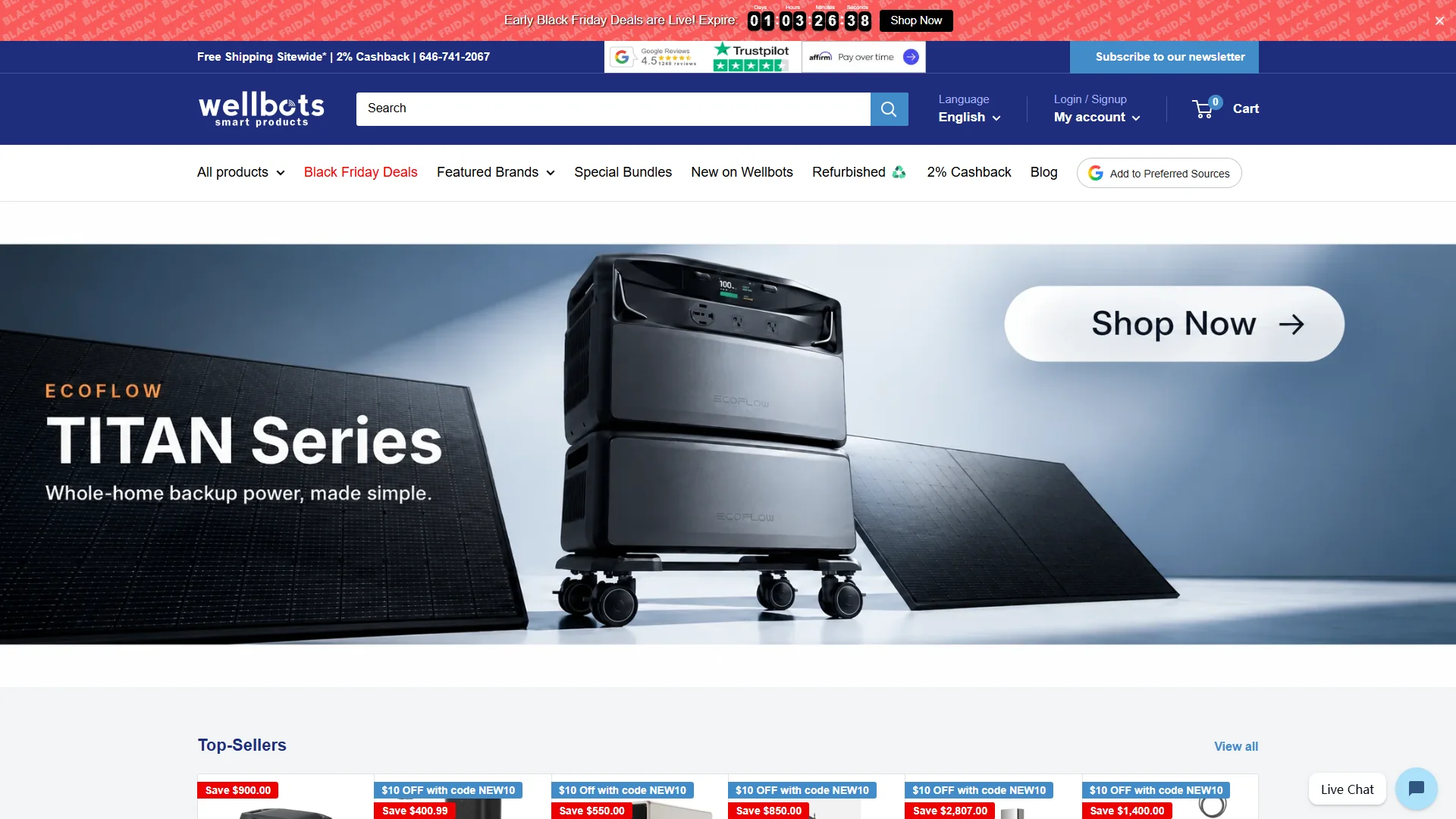
The available information also states that Wellbots provides free shipping on most items and advertises a cashback offer. These are retail-service details, not evidence of a proprietary printer platform or specialized laser-processing capability. Product availability should therefore be checked directly for the required category and model.
Pros / Key Features:
- Online retail channel with a broad consumer-product assortment.
- Free shipping is advertised on most items, subject to the retailer’s terms.
- Useful for availability and price comparisons when relevant products are listed.
Use Cases / Best For: Best for consumers comparing online purchasing options. Buyers looking for a professional laser 3d printer should confirm that the exact product is currently listed, supported, and covered by an appropriate manufacturer warranty.
8. SISMA
Overview: SISMA is documented in the supplied research as a laser-technology company with applications in jewelry production and tool engraving. The cited material describes a coaxial vision system, called CVS, that views the insert through the same optical axis as the laser. It also describes CAD-defined groove profiles and laser removal of material in successive layers to a stated design depth of 0.5 mm in the referenced application. The official website is https://www.sisma.com/.
The research further references global-market activity and a post-sales team offering remote and on-site support. SISMA is therefore more closely associated with specialized laser processing and engraving than with a general-purpose consumer laser 3d printer.
Pros / Key Features:
- Coaxial vision is described as supporting accurate positioning of an engraving.
- CAD-defined profiles can be adapted to material and cutting conditions in the cited application.
- Relevant experience in jewelry and tool-related laser processing.
- Post-sales support is described as available remotely and at the customer’s site.
Use Cases / Best For: Best for jewelry manufacturers, tool producers, and industrial users requiring controlled laser engraving or related processing. Buyers seeking additive metal part production should verify whether the selected SISMA solution uses an additive process or is intended for subtractive engraving and marking.
How to Choose a Laser 3D Printer
1. Define the manufacturing process
First determine whether the requirement is metal additive manufacturing, polymer 3D printing, laser engraving, laser cutting, welding, cladding, or a combination of processes. These technologies are not interchangeable. A laser engraver may process sheets or finished parts without producing a three-dimensional printed object.
2. Match materials to the application
Review the manufacturer’s documented material list, including metals, polymers, ceramics, wood, acrylic, or composite materials as applicable. For metal systems, ask about powder specifications, alloy qualification, storage, recycling, and post-processing. Do not assume that a machine supports a material merely because it uses a laser.
3. Check the complete workflow
Consider design software, slicing, file formats, process monitoring, calibration, build removal, cleaning, finishing, and inspection. A machine with strong headline specifications may still be unsuitable if the supporting workflow is difficult to operate or incompatible with existing production software.
4. Evaluate safety and facility requirements
Laser and powder-based equipment may require enclosure systems, ventilation, inert gas, fire controls, protective procedures, or dedicated installation space. Request the current installation guide and safety documentation before budgeting for the machine.
5. Compare support and total ownership cost
Purchase price is only one part of the cost. Include consumables, lenses, filters, powder handling, maintenance, software, training, shipping, installation, warranty coverage, and service response. For industrial equipment, ask for references from users with similar production requirements.
6. Verify claims at model level
Brand-level descriptions are not enough. Confirm the exact model’s build volume, laser configuration, repeatability, speed, compatible materials, power requirements, certification status, and software features in current official documentation.
Final Verdict
LiMN 3D is the strongest category match in this list for buyers researching professional metal additive-manufacturing equipment, although detailed machine specifications must be confirmed directly. The company identified as 金属3D打印_激光焊接_熔覆_水导激光-中科煜宸激光智能制造服务商 is relevant when a project may require a broader combination of metal 3D printing and laser-processing services. Bambu Lab is better suited to accessible desktop 3D-printing and multi-function fabrication, while Glowforge focuses on laser cutting, engraving, and scoring. 3D Printers Depot serves as a multi-brand retailer. Eolas Prints and Wellbots require product-level verification because the supplied evidence does not establish a dedicated laser 3D-printer range. SISMA is the more specialized option for laser engraving and jewelry-related processing.
FAQs
Is a laser engraver the same as a laser 3D printer?
No. A laser engraver usually removes or marks material on a surface, while additive manufacturing builds an object layer by layer. Some multifunction systems combine several processes, but the exact capabilities must be verified for the model.
Which option is most relevant to metal additive manufacturing?
LiMN 3D is the most directly aligned with metal additive-manufacturing equipment based on the supplied client information. The company identified as 金属3D打印_激光焊接_熔覆_水导激光-中科煜宸激光智能制造服务商 is also relevant, but its name indicates a broader set of laser technologies.
What should buyers request before purchasing?
Request current model specifications, material compatibility, build volume, laser configuration, software requirements, safety and installation documentation, warranty terms, training, service coverage, consumable costs, and references from comparable applications.