
The problem that starts every morning
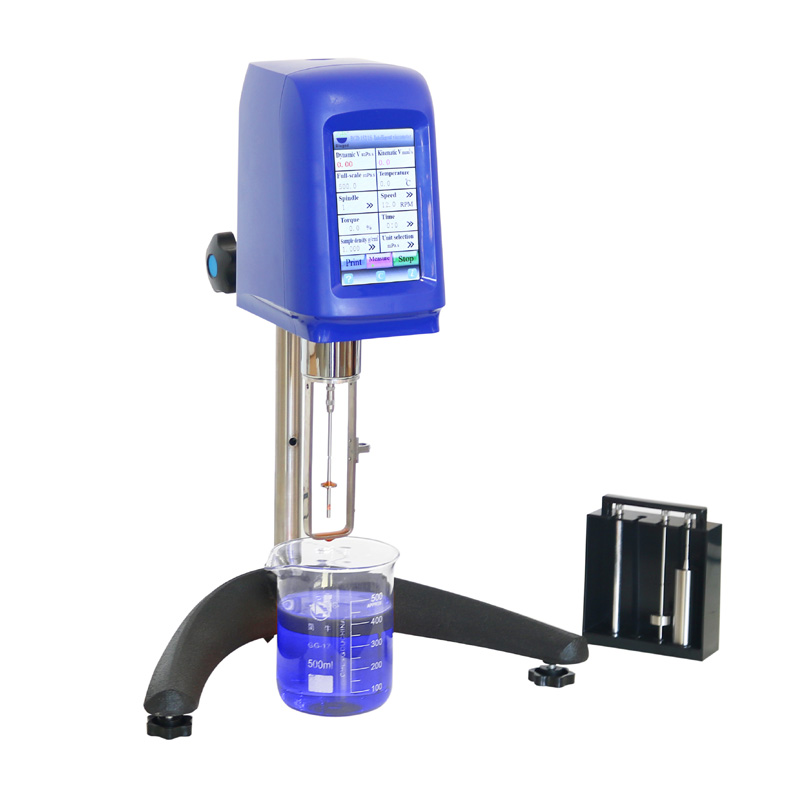
Paint actin’ funny on the line — sag here, too thin there, colors settlin’ wrong — and you gotta find out why fast. I done seen plants stop production just ’cause they couldn’t trust a measurement. When that happen you need a tool that tells the truth about flow under real conditions, and that’s where rotational viscometers come in. They measure how paint resists motion at controlled shear and speed, so you can stop guesswork and fix the mix or process that’s trippin’ you up.
Why this tool actually helps — the core fix
Problem-driven: you got a defect, so you need a cause. Rotational viscometers show how formulation, thickeners, temperature, and shear interact. Key features to look for: torque sensitivity (so you detect low and high viscosity), interchangeable spindles (for different paint types), variable speed control (to match production shear rates), temperature control or probe ports, and clear digital readouts or data export for QC logs. Those features let you map the problem, not just stare at a number.
Experience that matters — real show, real tests
I been runnin’ QC benches and troubleshootin’ with coatings for years; you learn quick what tools deliver repeatable answers. Big trade shows like PaintExpo in Karlsruhe always highlight vendors pushin’ digital controls and repeatable protocols — that’s where I first compared units side-by-side and saw how different models handle pigment-laden mixes. For practical checks, a reliable digital rotational viscometer that logs torque vs. speed makes acceptance testing and batch traceability simple, and you can back that up against lab records when customers ask for proof.
Common pitfalls that ruin measurements
Don’t blame the instrument when the setup sloppy. Typical mistakes: using the wrong spindle or speed (gives nonrepresentative shear), not pre-shearing or conditioning thixotropic paints, ignoring temperature drift, poor sample homogeneity, and not zeroing torque offset. Also watch out for cleanliness—dried pigment on a spindle changes readings fast. Fix those and the viscometer becomes a dependable detector, not a headache maker.
Viable alternatives and when to pick them
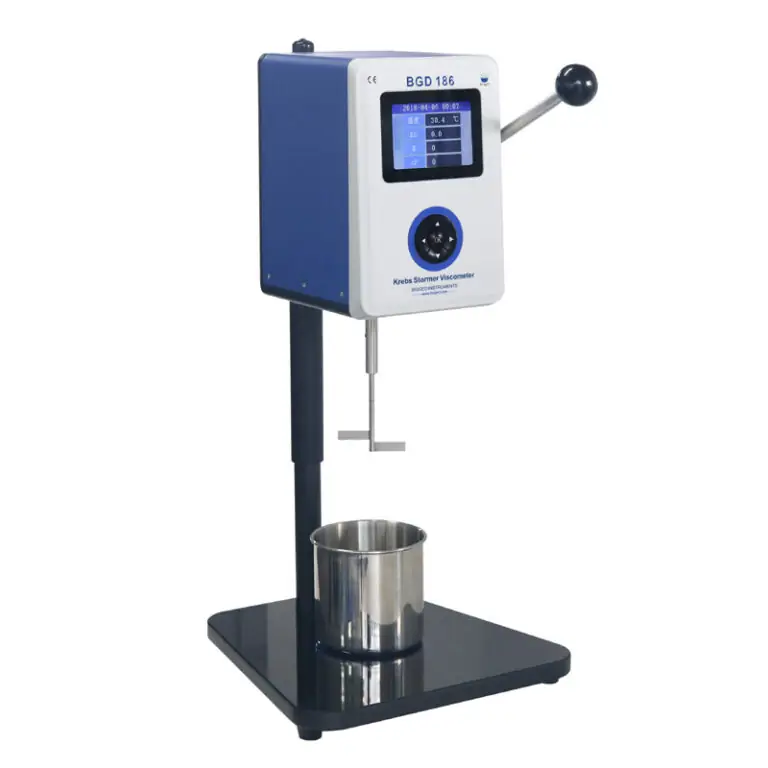
Not every job needs the same gear. Flow cups (Zahn, Ford) work quick for field checks on low-viscosity coatings when you only care about flow time. Stormer-type (KU) viscometers still useful for industrial paint that needs a fast comparative number. Cone-and-plate rigs shine when you need precise shear-rate control for rheology research on low-viscosity binders. Choose rotational viscometers when you need a range of shear, clear torque control, and data logging — that’s the go-to for QC and formulation work where real-process shear matters.
How to choose the right model — straight criteria
Match instrument spec to the problem. Pick torque range that covers your thickest mixes. Confirm spindle set covers thinnest to thickest samples. Verify temperature control or compatibility with an external bath. Look for repeatable calibration procedures and easy data export (CSV or LIMS-ready). Check maintenance needs and spare spindle availability. Buy a unit with documented repeatability so your lab audits don’t turn into fires. If you need field mobility, favor battery-backed units with robust housings; for lab work, prioritize precision and software options.
Final call — practical value that lasts
You want consistent paint, predictable runs, and records that stand up to audits — that’s the whole point. Fix the measurement setup first, use the right spindle and speed, control temperature, and pick a robust instrument that matches your workflow. When you do that, you stop chasin’ symptoms and start controllin’ processes, and that’s the kind of reliability BIUGED tools are built to deliver.