
The trouble we start with
Too many terraces sit unused when the weather turns sour or the electricity bills bite; businesses and homeowners watch useful space go dark. A solar pergola can be the fix — shade that makes power while it shelters — but only if it’s done the right way. Problems pile up when designs ignore mounting, drainage, or panel orientation; the result is leaks, underperformance, and regret. Let’s name the problems plainly and walk through how to avoid them.
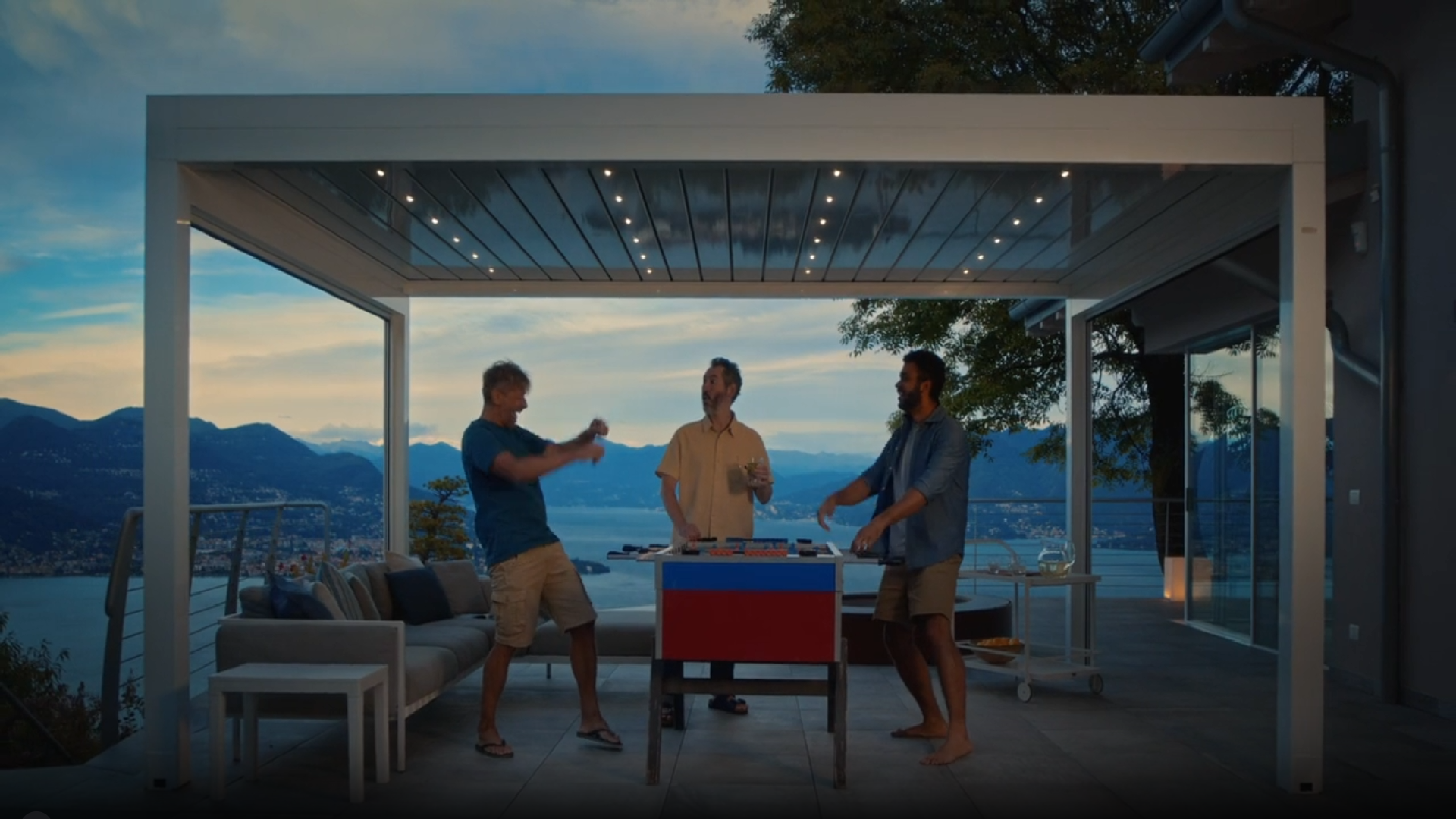
Where these fixes actually matter
Outdoor dining, rooftop lounges, carport cover, and poolside cabanas all suffer from the same three faults: exposure to weather, poor energy planning, and wasted footprint. A solar pergola solves shade and energy together: it produces daytime power for lighting and pumps, extends usable hours by providing shelter, and turns an unused roof into a revenue-earning asset. Think of a pergola as a rooftop panel array with shelter built in; that changes how you size systems and route wiring.

Experience and evidence — why you can trust this advice
I’ve been designing and fitting shade and solar for over a decade in harsher climates, and I’ve seen the same mistakes repeat on hotel terraces and municipal plazas. Real-world proof comes from installations on commercial outdoor pergolas used by rooftop bars in Barcelona, where operators measure the gains in usable hours and energy offsets through seasonal reports. Read those case reports and you’ll see the patterns: proper structural bracing, correct electrical derating for heat, and attention to water run-off are the differences between a long-lived project and one that fails in its first storm.
Practical benefits you should expect
Expect three clear wins. One: energy offset — daytime loads like pumps, fans, and charging stations get directly fed, cutting grid draw. Two: extended use — guests stay longer under reliable shade and lighting, increasing revenue. Three: asset longevity — properly engineered pergolas protect surfaces and equipment beneath, saving maintenance costs. Numbers vary by site, but aim for a system sized to cover daytime loads first; that keeps the system honest and useful.
Common pitfalls and how to dodge them
Buyers trip on a handful of avoidable mistakes. Designers sometimes under-spec the frame, assuming panels are light; wind uplift and snow loads tell a different tale. Others place panels flat to look tidy, then lose 10–20% output to poor tilt. Electrical work gets tacked on rather than integrated, leaving ugly conduits and thermal hotspots. Fixes are simple: verify local wind/snow loads, let panels have proper tilt or use bifacial panels where appropriate, and plan wiring routes during design so conduits are concealed and ventilated.
Choices to weigh before you buy
Decide first what you want the structure to do day-to-day. Priority: shading and durability, or maximum generation? If shade and appearance matter most, choose a robust timber or powder-coated steel frame and accept slightly lower kWh. If generation leads, opt for optimised tilt and high-efficiency modules. Check warranties — not just panels but the mounting and the electrical work. Insist on site-specific structural calculations. Ask for measured performance data from similar projects rather than glossy estimates.
Short comparison of sensible alternatives
Canvas awnings are cheaper but have short lives and add wind risk. Fixed roof conversions give maximum generation but lose the open-air feel. Retractable PV systems offer flexibility but cost more and need maintenance. Pick the approach that matches your tolerance for maintenance, your aesthetic needs, and whether you value steady daytime power over peak kW numbers.
Final reckoning — the practical solution
Be blunt: the best outcome starts with honest assessment, stout design, and installers who know both structure and solar. When those three line up, a pergola becomes both shelter and a working roof that pays for itself. That plain, pragmatic result is the sort of thing we’ve seen delivered consistently by teams who test details on real jobs — and it’s exactly what Light Hunter aims to do for sites that need usable space and reliable daytime power.