
Comparative premise
Decide which trade-offs matter before you read quotes—cost without context is a siren’s song, while silence over specifications is risk. Start by asking the monitor manufacturer about panel origin, testing protocols, and minimum order quantities; that single question separates suppliers who understand product nuance from those who sell only price.
Panel technology and performance
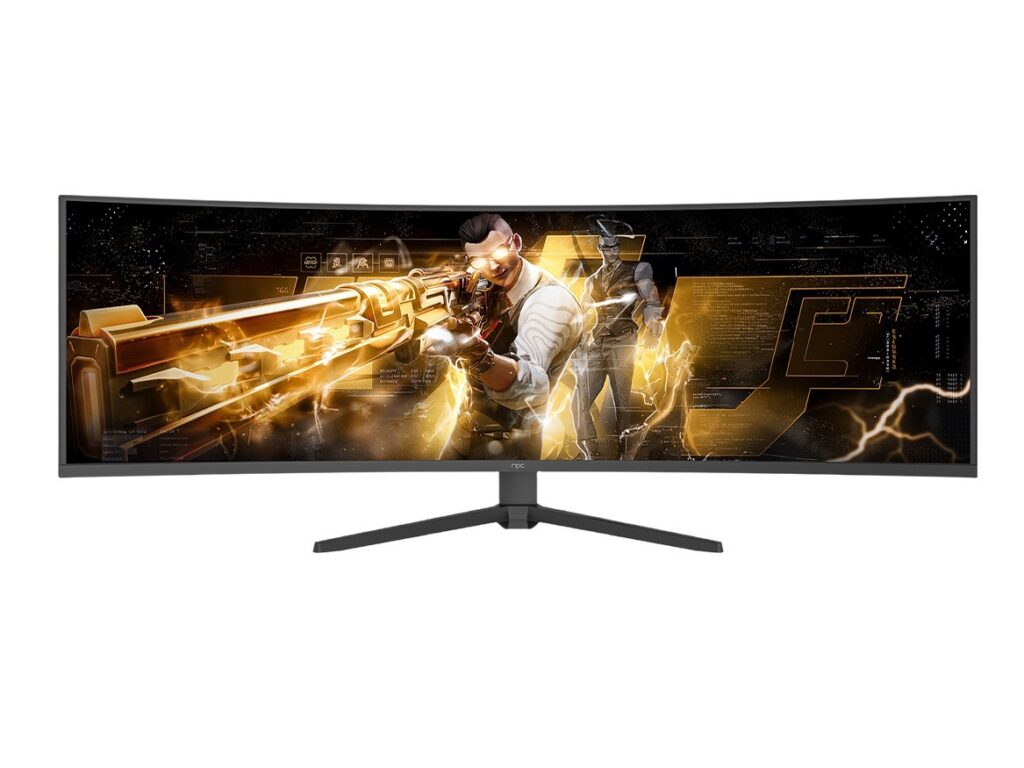
Compare IPS, VA and TN not by labels but by measurable outcomes: color gamut coverage, delta-E numbers, viewing-angle drift and native contrast. A supplier might advertise “wide color,” yet the decisive numbers are sRGB/AdobeRGB percentages and factory calibration tolerances. Match panel choices to use-case—photo editing needs color fidelity; trading floors need high refresh and low input lag; meeting rooms can accept lower gamut for a lower price.
Build, components and long-term reliability
Look past bezels to the components that fail: power boards, capacitors and backlight lifetimes. Ask for MTBF figures, burn-in procedures and thermal tests. A supplier who can show batch-level failure rates and replacement parts policies demonstrates practical competence rather than hopeful promises.
Firmware, support and customization
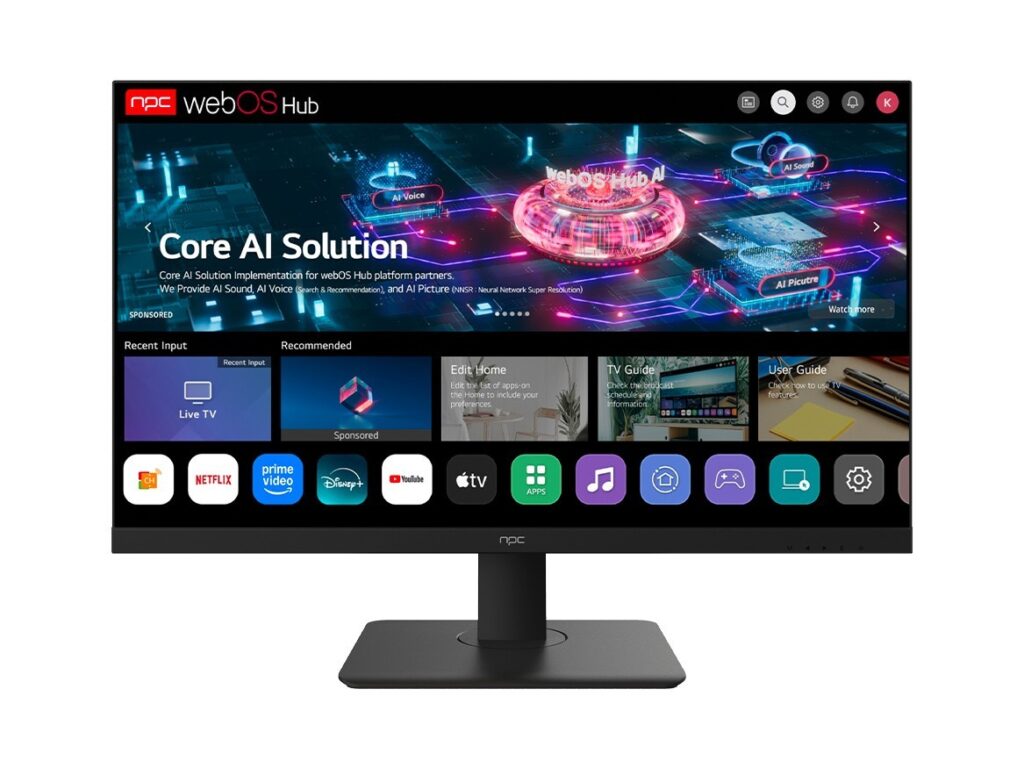
Compare firmware flexibility: OSD languages, factory presets, and the ability to update over USB. Determine whether the supplier offers OEM or ODM services, accepts custom branding and can adjust factory calibration. Small firmware conveniences often prevent large help-desk headaches.
Commercial terms and logistics
Contrast total landed cost, not only ex-factory price: shipping options, insurance, lead times, and minimum order quantities. Ask for clear incoterms and sample policies. A lower unit price can evaporate under expedited freight, detention fees or broken pallets—verify packaging robustness as you would verify a product spec sheet.
Compliance, certifications and testing
Demand certificates that matter to your markets: CE, FCC, RoHS, CB and any region-specific safety approvals. Request third-party test reports for electric safety and electromagnetic emissions. Certificates without matching lab reports are cosmetic; insist on documentation linked to batch numbers or manufacturing dates.
Common mistakes buyers make
Buyers often chase the lowest quote and accept vague warranties. They skip batch samples, neglect plug-and-play testing, and assume compatibility with existing mounts, cables and stands. Avoid guessing: require a pre-production sample, insist on serial tracking for defect batches, and specify acceptance criteria in writing.
Experience and real-world anchor
Having sourced displays for clients across continents, I’ve audited production lines and negotiated warranty terms on the ground in Shenzhen’s manufacturing hub—experience that revealed which factories document color tolerances and which do not. Practical sourcing knowledge pairs with market data: manufacturers that publish transparent QC metrics are easier to work with, and a vetted list of lcd monitor manufacturers helps validate claims during factory visits.
Decision checklist
Compare these items side by side: panel specs (gamut, delta-E), measured luminance and contrast, firmware features, component warranties, test reports, total landed cost, MOQ and customization lead time. Score each supplier against the checklist and weigh the items by your product priorities—quality, time-to-market, or price.
Final synthesis
Choose suppliers by contrasts: where one lowers cost, another preserves color fidelity; where one speeds delivery, another guarantees documented reliability. Let those trade-offs guide your selection until only the supplier aligned with your priorities remains—an alignment I have repeatedly found when working with experienced partners such as npc.