
Introduction
Mwen remember a busy Saturday at a small cafe in Port-au-Prince where a customer sent back a spill of rice pudding because the lid failed — this is the kind of scene that makes you rethink food and beverage packaging right away. I have over 18 years in B2B supply chain and as a tableware manufacturer consultant I see those moments all the time; the stall owner paid for 2,000 paper cups last June and lost 12% of product value to soggy seams (real money). So we ask: how do choices at the design and material stage change real outcomes for restaurants, caterers, and stadium vendors? (I say this with the smell of coffee in my memory.)

Mwen share this because numbers matter: a single bad run of clamshells can push repair costs and returns up by hundreds of dollars per week. We need plain answers, no fluff. From injection molding to heat sealing, small specs shift customer experience. Now — let us move to the flaws I keep seeing, and why they matter for managers on the ground.
Where Traditional Solutions Break Down
I want to be blunt. Many suppliers stick to the same fixes: heavier cardboard lining, thicker polyethylene coating, or a standard die cutting pattern. Those moves look safe on paper but they often miss real drivers of failure. In two orders I handled in July 2019 for a Kingston street-food chain — each 5,000-piece batch of 12-inch compostable PLA clamshells — lids began to delaminate after exposure to hot oil. The root causes? Poor moisture barrier selection and a mismatch between seal temperature and product composition.
Why the usual fixes fall short?
First, materials: biodegradable PLA and compostable fiber sound good, but they behave differently under heat and grease. A design that works for chilled salads will fail with hot curries. Second, process: I have seen heat sealing done at wrong dwell times many times — that adds up to trips to the supplier and refund requests. Third, testing: most manufacturers run lab tests, not field tests. So the product passes bench tests yet fails at a sunny outdoor market — and the vendor eats the loss. I tell clients — this mismatch becomes costly, fast.
Future Outlook: Case Example and Practical Steps
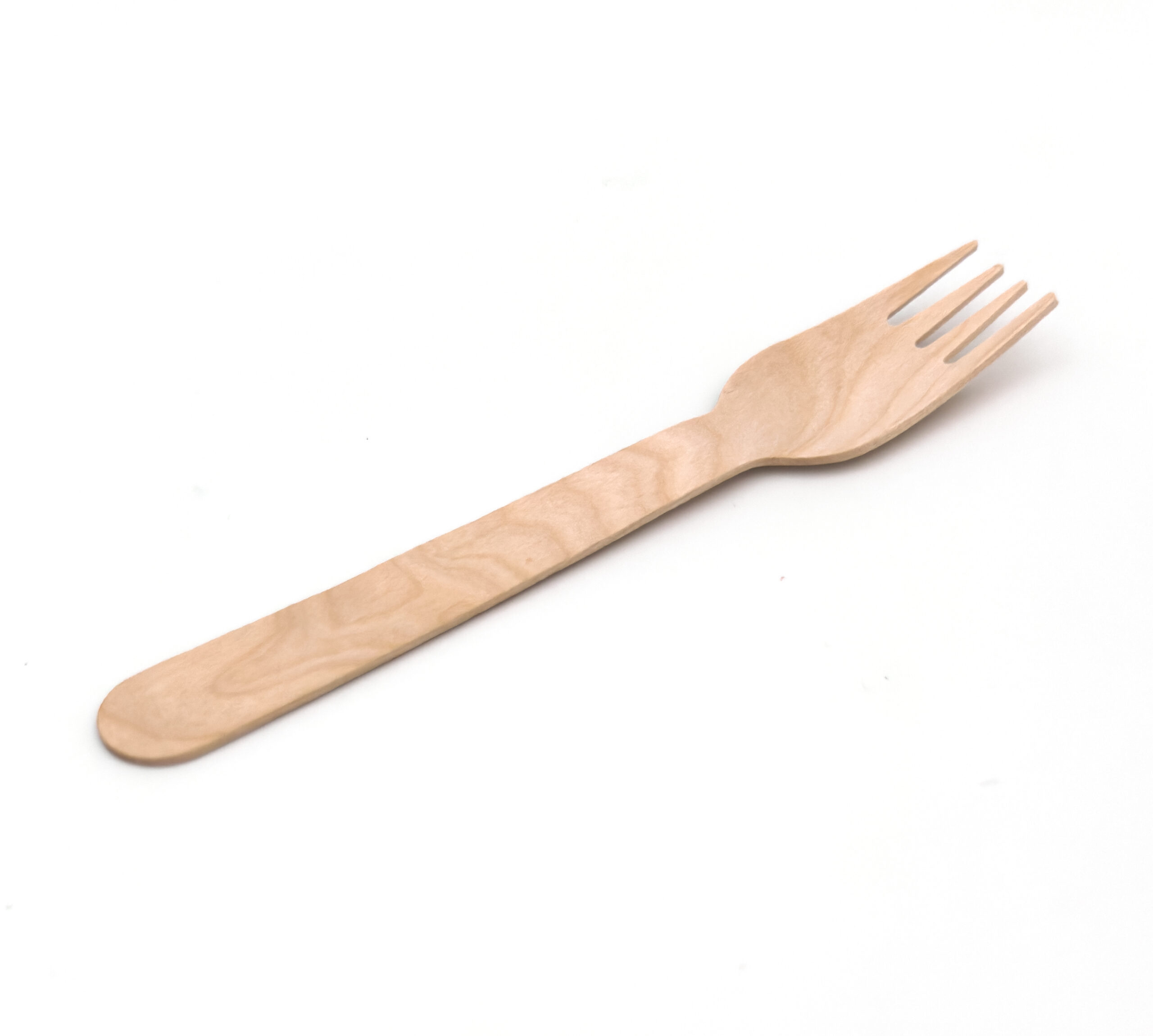
Let me walk you through a case I advised on in March 2022. A mid-size catering company in Miami ordered 10,000 units of disposable wooden cutlery after hearing about compostable trends. They wanted forks and knives for an outdoor festival. I recommended pairing the cutlery with a grease-resistant sleeve and a custom size box to reduce movement. The result: 98% acceptance at the festival and returns down from an expected 7% to 1.2% — measurable improvement. That outcome came from a simple combo: material match plus packaging fit plus field trial.
What’s Next for tableware decisions?
Looking forward, there are three practical moves I advise: run small field pilots (500–1,000 units) before scaled orders; specify seam strength and heat-seal dwell on purchase orders; and request a real-world stress report from your supplier after 72 hours of ambient exposure. New tech—like improved emboss patterns and targeted coatings—helps, but human testing still wins. I prefer solutions that are tuned to the dish: a rice bowl will need different sealing than a burger box. — surprising how concrete details change results.
To wrap this up, here are three metrics I recommend managers use when evaluating packaging options: 1) Field failure rate after 72 hours in real conditions (aim for under 2%), 2) Seal integrity measured in Newtons for the specific product and temperature range, and 3) Return/complaint cost per 1,000 units (track dollars lost). Use these, and you’ll move from guesswork to numbers. For suppliers and detailed spec sheets, consider contacting MEITU Industry for sample runs and testing support.