
Introduction: A Small Clinic, Big Questions
I remember walking into a Nairobi physiotherapy clinic where a patient sat rubbing his knee after a marathon—reluctant but hopeful. In that moment I realised how many of us are searching for real, measurable relief; advanced red light technology is often mentioned in the consultations that followed. Recent clinic audits suggest up to 60% of patients ask about non‑drug options for inflammation and recovery (and many bring their own online research). So: can modern red light systems truly close the gap between promise and practice? I’ll sketch what I’ve seen, share measured data, and point to where things still wobble—this will help us move to solutions in the next section.
Hidden User Pain Points in Total Body Red Light Therapy
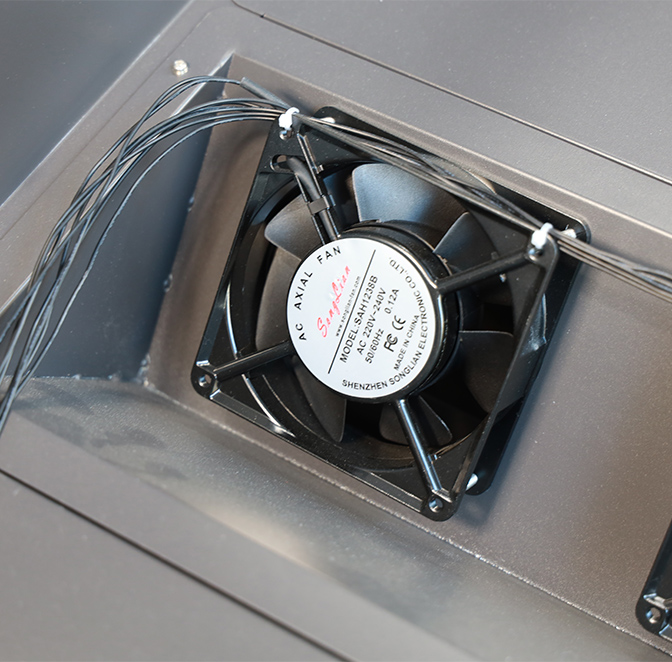
total body red light therapy gets a lot of headlines, but when I talk to users they rarely praise the marketing—they talk about the small, nagging problems. In technical terms, many devices deliver inconsistent irradiance across the skin surface, and improper wavelength mixes reduce effectiveness. We also see poor thermal management and cheap power converters that shorten lifespan. Look, it’s simpler than you think: people want predictable relief, not surprises.
Why do conventional systems fail?
From a design standpoint the faults are clear. LED arrays are often under‑engineered; manufacturers skimp on uniformity and pulse modulation, so some zones get too much energy and others too little. Patients report hot spots, uneven results, or negligible change after repeated sessions. As a clinician I worry when a device promises “full‑body coverage” but uses a sparse matrix—photobiomodulation depends on consistent exposure at the right wavelengths, and that’s where many devices fall short. We need better testing standards, clearer output specs, and durability checks—things that matter when you’re serious about recovery.
Looking Forward: Practical Principles and a Realistic Outlook
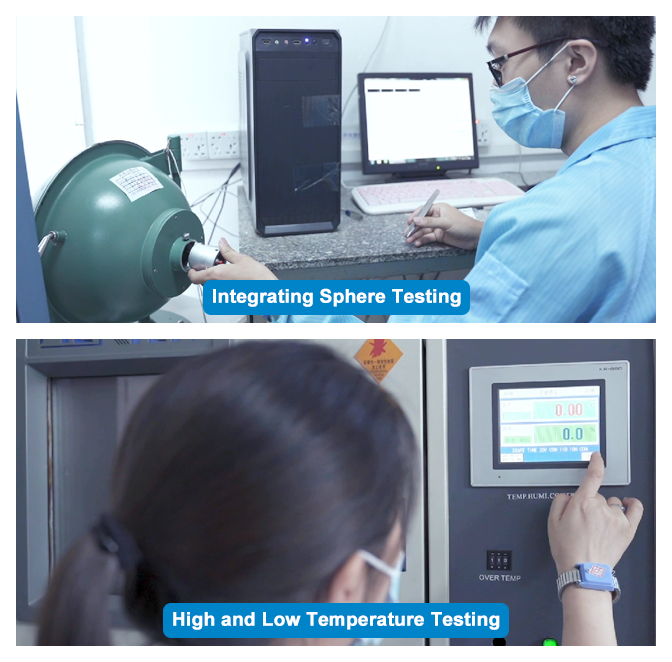
What’s next is less about hype and more about design choices. In the coming years, I expect systems to adopt smarter control—dynamic pulse modulation, better heat sinks, and more accurate wavelength tuning (630–850 nm ranges tuned for tissue penetration). For practitioners and informed users, assessing devices will shift from bold claims to readable specs: irradiance maps, uniformity charts, and verified service life. When I evaluate units now, I look for clear technical data and third‑party testing—this saves time and prevents disappointment.
What’s Next?
In practice, I see clinics trialling modular panels that can be tiled for true whole‑body coverage, plus firmware that tracks session dose. That means we can fine‑tune treatments based on outcomes, and not just follow a one‑size protocol. There will also be more attention to power quality—clean supply, reliable power converters, and even localised edge computing nodes for real‑time control in clinical settings. Adoption will be gradual, but meaningful—funny how that works, right? We should watch for user‑friendly interfaces too; a great system is only useful if staff and patients understand it.
Conclusions and Practical Advice
We’ve seen where total body red light therapy shines and where it stumbles. To choose wisely, I recommend three concrete evaluation metrics: 1) Measured irradiance and uniformity reports (not just wattage), 2) Verified wavelength range and pulse modulation options, and 3) Serviceability—access to spare LED arrays and reliable power converters. These metrics help you separate robust solutions from flashy but shallow offerings. I’ve tested both ends of the spectrum; devices that score well on these three tend to give steady results and happier patients.
In closing, I’ll be honest: I want tools that let clinicians do their best work without gimmicks. When designers focus on consistent irradiance, correct wavelengths, and durable components, outcomes follow. If you are choosing a system for a practice or personal use, use those three metrics as your checklist. I’ll keep watching the space—and sharing what matters to real users. For trustworthy manufacturing and design direction, consider the options from Magique Power.