
Kickoff: Ready to Smooth, Not Freeze
You want your face to move, but you also want those stubborn lines to chill out. Forehead wrinkle filler can be a strong play when you want smoother skin that still looks like you. Picture this: you hop on video after a long day, raise your brows, and those etchings pop up again—every time. A recent skin-aging survey found most adults notice forehead lines by their early 30s, and many feel they look “tired” because of them. Here’s the question: can you soften those lines without losing your natural expression? Yes, if you understand the mechanics. We’ll talk in plain terms about material behavior (think rheology), injection strategy, and how G’—the storage modulus—affects outcome. Stay with me—this is coach-talk meets science, and you’re ready to move.
We’ll compare old habits with smarter, modern choices, and show you how to pick a plan that fits your skin, muscle pattern, and schedule. The next section gives you the deeper layer—what goes wrong with traditional fixes, and how to choose better. Let’s lock in and go.

Deeper Layer: Where Traditional Fixes Fall Short
Why do quick fixes fail?
When people search the web for the best wrinkle filler for forehead, they often run into two traps. First, using a heavy, high G’ gel in a thin forehead can make lines look stiff or shiny. Second, shallow placement risks the Tyndall effect, a bluish hue under the skin. Look, it’s simpler than you think: the forehead is thin, with tight skin and active frontalis muscle. A filler with balanced viscosity and tuned crosslinking density behaves better here, especially when paired with a light-dose neuromodulator plan. In other words, a smart combo beats brute force. A microcannula can reduce bruising and help with even distribution, but technique matters more than the tool—funny how that works, right?
Here’s the core flaw of traditional “fill it till it’s gone” thinking. Bolus injections in a dynamic zone ignore shear forces from constant movement. That movement can flatten boluses or create ridging. The result? Uneven texture or a “plastered” look. Instead, layered retrograde threading at the correct plane (often supraperiosteal or deep subdermal, depending on crease depth) respects anatomy. It also lets the gel integrate with less risk of lumping. If you do get over-correction, hyaluronidase can reverse hyaluronic acid. But prevention beats reversal. Aim for a rheology profile that supports glide, not bulk. Precision wins games.
Head-to-Head: Smarter Tech, Smoother Results
What’s Next
The newer approach uses material science principles to stay subtle. Rather than chasing every crease, you select a gel designed for dynamic zones. That means a mid-range G’, controlled cohesivity, and optimized crosslinking so the gel resists shear yet spreads with expression. Pair this with dose-calibrated muscle modulation—small units to reduce hyperactivity without a “frozen” brow. The effect compounds over weeks. Movement remains. Lines soften. Maintenance gets easier. In comparative terms, high-viscosity gels and big boluses offer short-term flattening, but a modern, “dynamic-friendly” filler supports longer comfort and fewer texture issues. It’s a different playbook, and it works across real life—meetings, workouts, bright sunlight. And yes, you can smile with your eyes again.
In practice, case results that use a balanced gel as the best wrinkle filler for forehead show fewer surface irregularities and a lower need for corrective enzymes. Less bruising with microcannula. Better blending under makeup. The durability is not only about months; it’s about how the gel degrades evenly under load. Think controlled enzymatic breakdown, not clumping. Here’s how to choose wisely—advice-style, so you can act today: 1) Match rheology to zone: confirm G’ and cohesivity suited for thin, mobile skin. 2) Assess injection strategy: request layered, low-volume passes and ask about plane selection. 3) Track recovery metrics: minimal edema at 48 hours, no bluish cast, and even glide when raising brows. If your plan hits these three, your odds of a natural finish jump. And if your provider speaks to diffusion rate, lidocaine content, and integration time—you’re in skilled hands. Small changes, big wins—funny how tiny tweaks change the whole look.
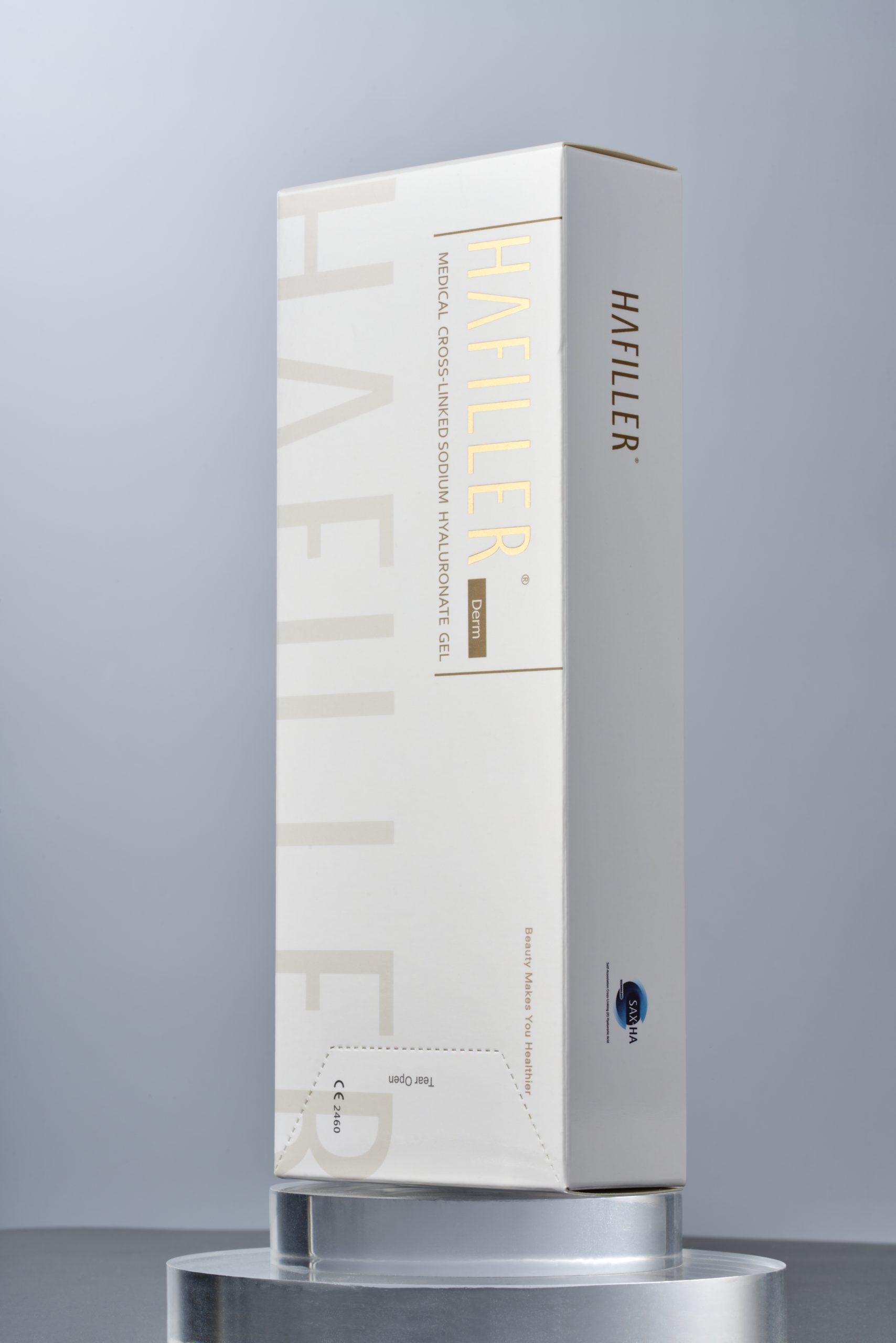
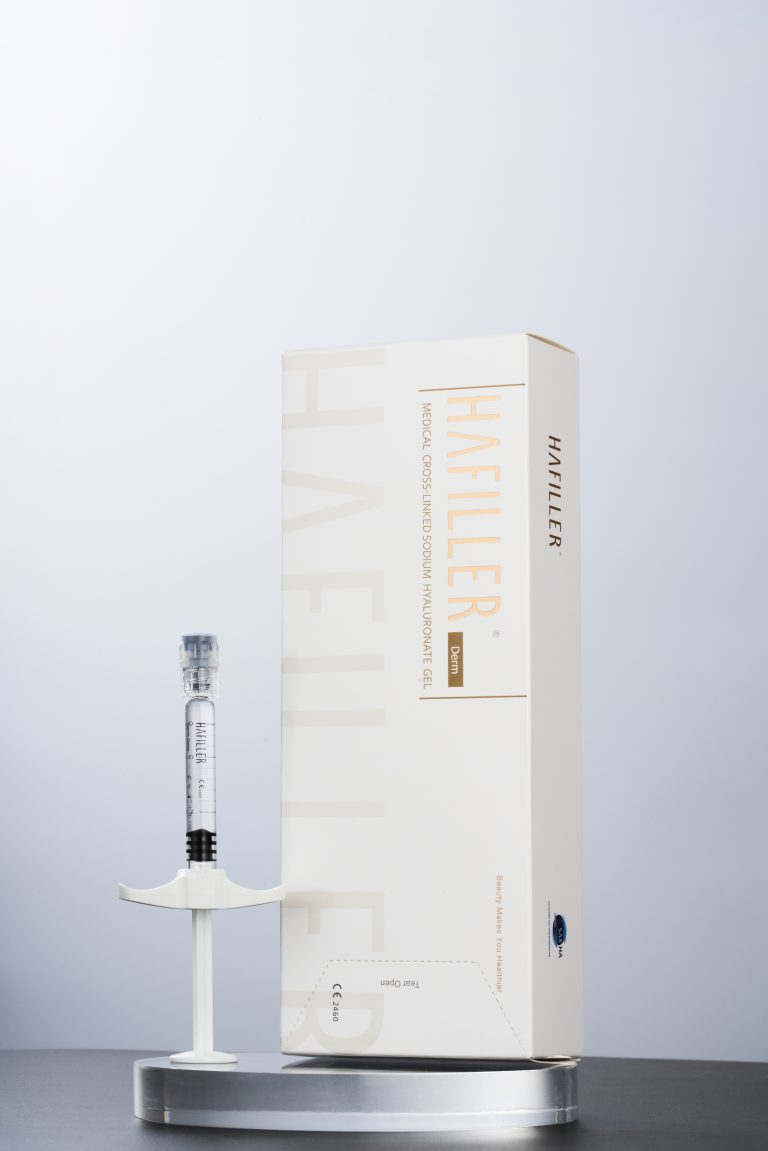
Bottom line: compare methods, not just names. Align material behavior with your anatomy and your lifestyle. Keep movement. Lose the etch. For steady guidance and product insights you can vet, see HAFILLER.