

Introduction
Picture this: your launch date is set, your scent is dialed, and the box artwork just cleared. Then a cap fit issue pops up the week before ship. china perfume bottle manufacturers become your whole world in a snap. If you’ve ever sourced from china perfume bottle factories, you’ve seen how fast a tiny tolerance can turn into a retail headache. Here’s the data point nobody wants to admit—packaging can soak up 35–45% of your product cost, and shelf pick-up is driven 70% by the first look. So the bottle isn’t décor; it’s the decision engine. But are you measuring the right things, or just hoping the line runs clean (yeah, we’ve all been there in Boston winters)? In a market moving this fast, the question is simple: how do you avoid fixable errors before they hit your margin?
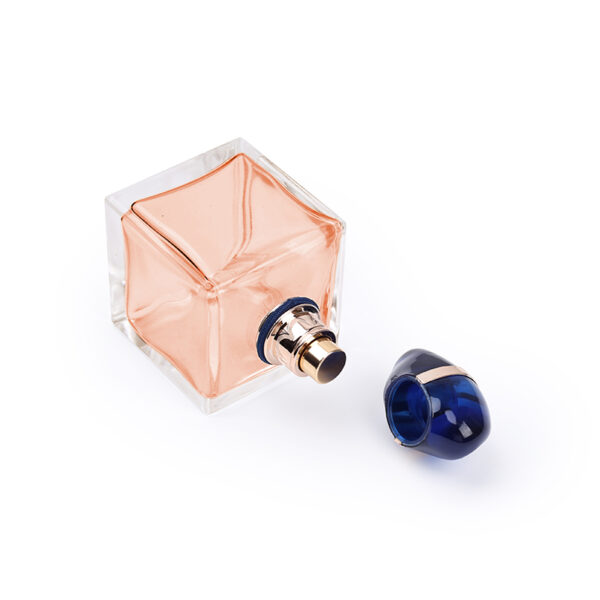
Let’s pull the cap off the real issues and see what actually matters next.
The Hidden Friction in Sourcing
Why do small flaws become big costs?
Let’s get technical for a second. The old way leans on pretty renders and sample kits. It skips the core: mold cavity wear, neck finish specs, and annealing uniformity. That gap creates hidden pain points. A 0.2 mm drift in thread pitch can wreck cap torque. A rough spray coating pass can kill gloss consistency under LED retail lights. And if vacuum metallization is rushed, you’ll see pinholes show up during transit vibration—funny how that works, right? These are not “nice to fix” issues. They are returns waiting to happen, and they do not care about your ad spend.
In Part 1 we teed up the pressure: deadlines, spends, and the first-look stake. Here’s the deeper layer. Traditional quotes don’t include data on cavity-to-cavity variance, ISBM versus press-and-blow trade-offs, or QC sampling plans tied to AQL levels for cosmetic defects. That’s the silent tax built into your “approved” samples. Look, it’s simpler than you think: ask for neck finish gauges, wall thickness mapping, and post-coating adhesion data before you fall in love with the shape. If a factory can’t share annealing line profiles or ink adhesion test results, they are guessing. And you’ll pay for that guess on the line—twice.

What’s Next: Smarter Specs, Cleaner Lines
Real-world Impact
Here’s the forward-looking move. Build the spec so the line can’t fail. New tooling programs in top-tier plants now track mold cavity drift across production runs, then flag outliers before a cap fit issue appears. Think of it like preventive maintenance baked into the bottle. Pair that with UV-curing controls for coatings, and you cut the gloss variance that kills brand cues under harsh store lighting. If you buy a wholesale perfume bottle assortment, treat it like a system: bottle, pump, collar, cap. One neck. One torque window. One transit profile. Short sentence. Big result.
Comparatively, the plants embracing inline vision—neck finish cameras, wall-thickness sensors—are beating legacy output on scrap and rework by 10–15%. Not fancy talk, just fewer defects. And when a partner can run Pantone batch checks and salt-spray tests for metallized parts in-house, you remove two handoffs. Less lag, fewer surprises. The next step is even clearer: digital first-article reports tied to your SKUs and season codes. That means you see cavity trends across reorders, not just a pass/fail at T0. Wait. That adds up. Lower rework, cleaner assembly, faster QA sign-off—more spend where it counts.
How to Choose Better—Right Now
We’ve moved from the rush of launches to the mechanics that trip them up, then to the fixes that hold up under pressure. So let’s stay practical and wrap with three metrics you can track today. First, dimensional capability: demand Cpk data on neck finish and thread pitch; if it’s not above 1.33, expect fit issues under heat and transit. Second, surface reliability: ask for cross-hatch adhesion and rub-resistance results post UV cure and post metallization; if a supplier can’t show both, your shelf life is a bet. Third, assembly readiness: require torque windows and pump compatibility tests with your exact actuator spec—bottle and pump live together or fail together. Keep it simple, keep it consistent, and keep your margin in view—funny how predictability feels like innovation when launch week hits. For a grounded partner fluent in these controls, see NAVI Packaging.