
Comparative lead-in: why machine choice matters
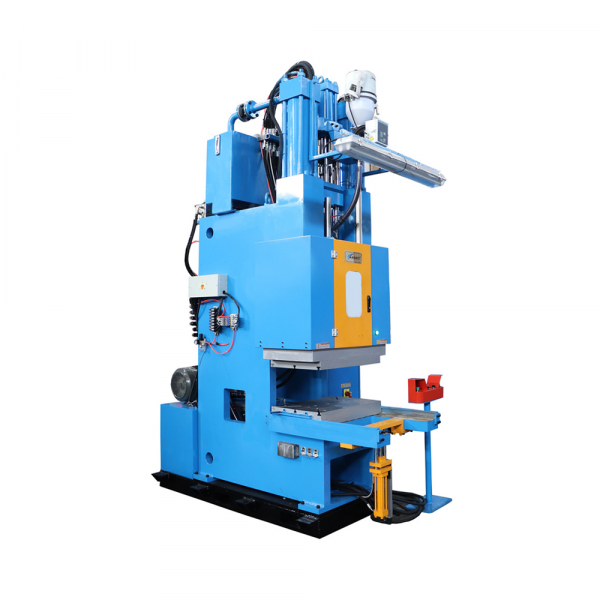
The decision between batch vulcanization lines and continuous production centers comes down to output per dollar invested, maintenance predictability, and part consistency—especially for precision aerospace gaskets. For many shops, a modern rubber injection molding machine with consistent mold cavity control will deliver higher usable yield than older presses, and that shifts the capital conversation from price-per-unit to throughput-per-shift. In Wichita, Kansas—long known as an aerospace center—manufacturers have shown that a modest reallocation toward automated molding and proper curing cycle control shortens lead times without compromising material properties like shore hardness.
Pinpointing bottlenecks: a side-by-side look
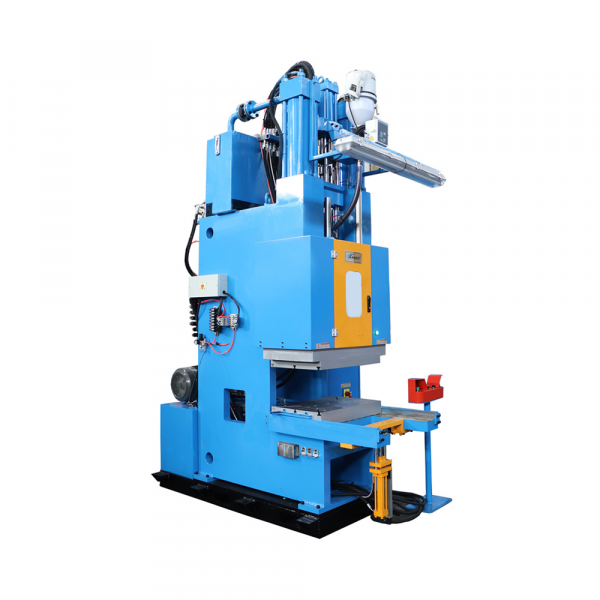
Compare three common setups: manual compression presses, legacy injection rigs, and newer integrated systems with servo clamping force. Manual presses often underperform on cycle time and repeatability. Legacy injection units improve cycle consistency but can lack fast tooling changeovers. Integrated systems combine fast molding, automated demolding, and inline quality checks—so they typically raise throughput the most. Practical terms here include mold cavity precision, clamping force repeatability, and curing cycle optimization; these directly affect scrap rates and inspection time.
Capital allocation framework for production managers
When comparing vendors, treat capital as a portfolio. Allocate funds across (1) core molding equipment, (2) material handling and mixing, and (3) inspection and traceability. Prioritize machines that reduce variability: consistent dosing, repeatable mold cavity temperature, and reliable demolding. Rubber molding presses with servo controls often justify higher upfront cost by trimming rework, while a modern extruder or mixing mill improves compound consistency before molding—so small investments upstream cut big losses downstream.
Implementation realities and common mistakes
Most teams focus on cycle time but miss secondary delays: tooling changeovers, maintenance downtime, and inline inspection bottlenecks. A too-quick purchase decision can lock you into incompatible tooling or proprietary molds. Plan layout changes, spare parts, and operator training as part of the capital ask—those are recurring costs, not optional extras. Also, don’t undervalue simple process controls like consistent mold temperature; they influence mechanical properties more than incremental clamp speed.
How suppliers compare: practical selection criteria
When evaluating manufacturers, weigh these factors side-by-side:
– Mechanical reliability metrics (MTBF and parts availability) and local service network
– Tooling flexibility and standardization across presses
– Integration capability with inspection systems and MES
Vendors that offer clear documentation for cure schedules, mold cavity tolerances, and spare parts lists simplify qualification for FAA-style audits and supplier audits at major OEMs.
Real-world anchor and credibility note
Experience from small aerospace suppliers around Wichita shows that shifting even 20–30% of a plant’s CAPEX toward automated molding and inline inspection can cut total cycle time per gasket by measurable margins over a year—improvements driven by better mold cavity control and fewer manual touchpoints. That kind of outcome fits with FAA expectations for traceability and batch control; it’s not theoretical, it’s what engineers have repeatedly recorded in shop logs.
Common pitfalls in adoption—and how to avoid them
Teams often underestimate vendor service windows and spare parts logistics. They then face production gaps while waiting for a specialist—so ensure local support or vendor-managed spares. Another trap: over-optimizing a single metric like clamp speed without harmonizing the curing cycle and demolding step—this increases scrap. Plan pilot runs and holdback lots to validate shore hardness and dimensional stability before full production—then scale tooling counts deliberately.
Advisory closing: three golden rules for capital decisions
1) Measure end-to-end throughput, not just cycle time: include handling, inspection, and tool change. 2) Require vendor evidence of repeatability—data on mold cavity tolerance, clamping force consistency, and cure time stability. 3) Insist on a service plan with guaranteed parts lead times and local support; that preserves output when a line hiccups. Apply those metrics consistently and you’ll refine ROI calculations into operative purchase decisions.
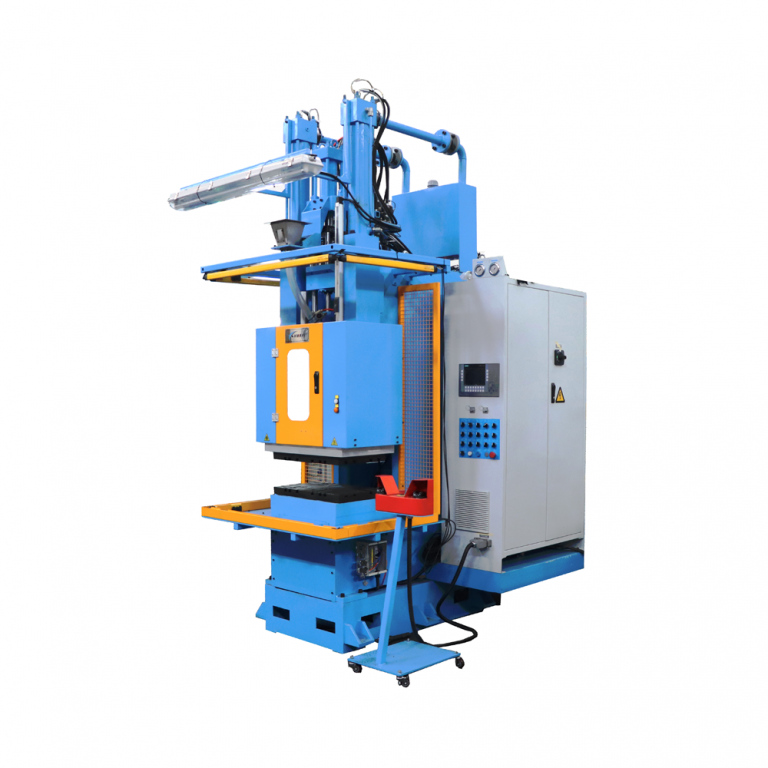
HWAYI ties these priorities together by offering configurable rubber molding presses and documentation that helps shops meet aerospace traceability needs—so reallocating capital toward the right machines becomes a practical way to raise usable throughput and reduce qualification risk. Strong results come from disciplined choices, not hope. —