
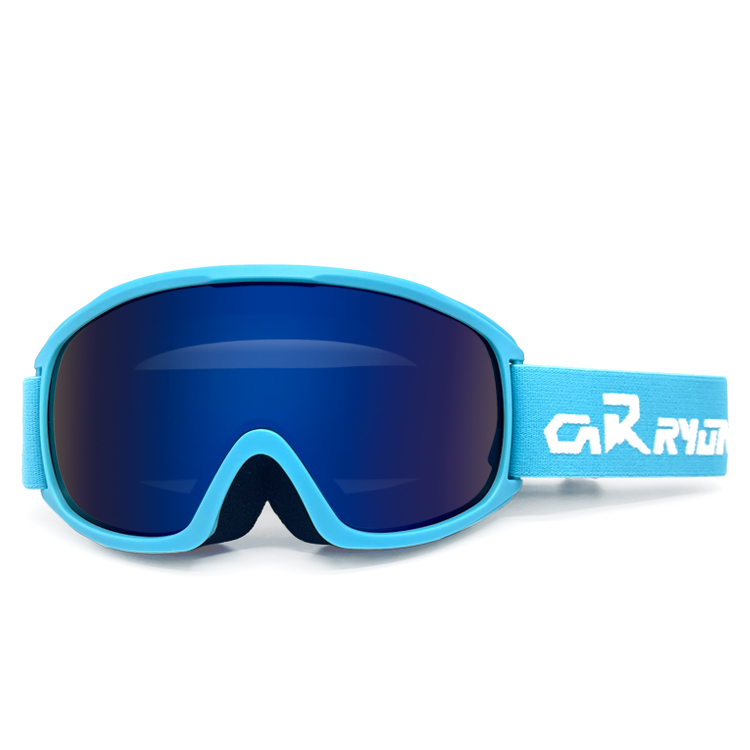
The Problem: Upfront Tooling Eats Margins
Brands launching a new line of ski goggles face the same blunt fact: custom frames and lens molds require significant capital before a single pair ships. That tooling—often injection molding for frames and precision machining for lens dies—can represent a big chunk of product cost, and if sales volume falls short, the per-unit price takes a hit. The real-world pressure is visible at alpine venues like Aspen and Chamonix, where seasonal demand spikes and lighting variability force rapid SKU turnover; designers scramble to balance performance features like lens tint and anti-fog coating against manufacturability and cost.
Why Amortization Matters
Amortizing mold costs spreads that fixed expense across units, lowering the marginal cost and defending retail margins. Manufacturers use simple math: total tooling cost divided by forecasted production gives a tooling-per-unit figure, which then folds into sell price. The catch: inaccurate forecasts leave you with either stranded assets or rushed redesigns. Injection molding, lens interchange systems, and OTG-compatible frames each change the amortization horizon differently—some choices shorten it, others lengthen it.
Choices That Shift the Math
Three concrete levers move the amortization needle: design complexity, mold tooling strategy, and inventory approach. Simplified frame geometry and modular lens systems reduce the number of unique molds. Multi-cavity molds increase throughput but add initial price. And final assembly near demand centers reduces freight and holding costs. Industry terms like venting, peripheral vision, and lens interchange system come into play here; they’re features that buyers care about and engineers must balance with tooling constraints.
Trade-offs and Alternatives
When upfront tooling looks steep, brands pick one of several routes: license an existing frame, adopt universal lens platforms, or accept higher per-unit costs on lower volumes. Licensing or white-labeling cuts development time but limits distinctive branding. Universal platforms speed amortization but reduce differentiation. Higher per-unit pricing risks market resistance, yet preserves brand control. All paths have pros and cons—no single answer fits every brand.
Practical Steps to Protect Margins
Start with conservative forecasts and stage the tooling investment. Use smaller pilot molds for validation, then scale to multi-cavity tools once demand solidifies. Optimize for modularity so a single frame supports multiple lens tints and coatings; that widens appeal without multiplying molds. Maintain clear metrics for lead time, yield, and defect rates—these affect how many sellable units you actually get from a mold run.
Common Mistakes to Avoid
Brands often over-design for features at launch, then discover consumers value a better lens system more than an extra vent. Others underestimate post-production costs like lens coating application and packaging. Don’t lock into an all-in custom route when proven platforms exist. —A quick remark: pilots and small-batch tests are worth the short delay if they cut rework and scrap later.
How to Evaluate a Production Strategy
Use a three-part scorecard: 1) Break-even volume for tooling amortization, 2) Time-to-market and flexibility to iterate, and 3) End-user performance metrics like anti-fog effectiveness and field-of-view. Run sensitivity checks on demand scenarios—best-case, likely, and conservative—and price accordingly. For many brands, pairing a signature frame with readily available interchangeable lenses hits the balance between brand identity and cost efficiency; those who chase unique molds for every SKU often pay for it in slowed cycles and bloated inventory.
Advisory Close: Three Golden Rules
1) Prioritize modularity: design frames that accept multiple lens tints and coatings, reducing the number of unique molds you need. 2) Stage tooling investment: validate fit and optics with pilot runs before committing to multi-cavity production tools. 3) Measure yield and lead time rigidly—small improvements in yield translate directly into lower amortized tooling cost per unit.
When you line up these rules against practical product choices—lens interchange systems, anti-fog coatings, and optimized frame geometry—you get a clearer route to profitable scale. best skiing goggles aren’t just about polishes and branding; they’re where considered tooling strategy meets real-world performance. YIJIA Optical sits at that intersection, offering design and manufacturing fluency that helps brands convert tooling investment into durable product value. —smart, simple, effective.