
Opening: why a framework, and what problem does it solve?
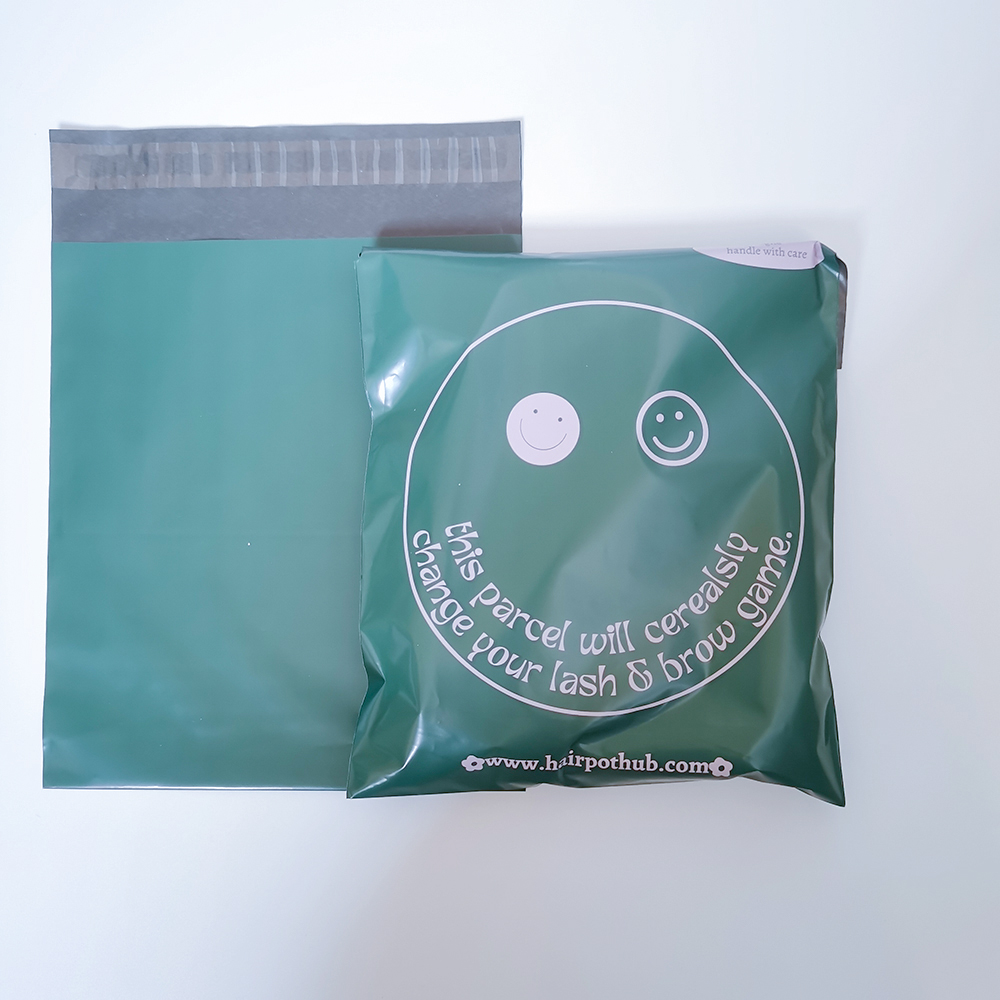
How do you reconcile supplier cost, environmental claims, and regulatory obligations when buying bulk mailers for a global business? A compact, staged framework reduces guesswork and turns obligations into checklist items. Start by treating colored and decorative options not as a design afterthought but as a compliance trigger — pigment formulations, barrier layers, and inks can change recyclability and chemical reporting requirements. If you’re comparing options, begin with a focused supplier brief and a prototype loop that includes visual choices like colored poly mailers alongside your white-stock alternatives.
Scope and real-world anchors: standards that actually matter
Which standards should guide procurement? Prioritize internationally recognized anchors: ASTM standards (for example, ASTM D6400 for compostability claims), the FTC Green Guides for environmental marketing, and regional rules such as the EU Packaging and Packaging Waste Directive. These are not academic — they shape packaging acceptance at municipal recycling facilities and retailer procurement policies. From a materials perspective, ask whether the mailer is predominantly low-density polyethylene (LDPE) or includes multi-layer laminates; that distinction often determines recyclability and end-of-life handling.
The four-step compliance framework
Build your assessment in four repeatable stages: Define, Validate, Document, and Audit.
- Define — Clarify required claims (e.g., recyclable, recycled content, compostable) and market jurisdictions. What markets will the mailers enter, and what labeling obligations apply there?
- Validate — Require third-party test reports for mechanical and chemical properties (tensile strength, migration tests, pigment heavy metals) and any ASTM or ISO test correlated to the claim.
- Document — Insist on a written materials declaration (bill of materials) and certificates: PCR percentage, resin ID codes, and test certificates tied to batch numbers.
- Audit — Run periodic supplier audits or independent incoming inspections to confirm traceability and QA performance over time.
Checklist: regulatory and environmental items to verify
Use this checklist at supplier selection and order placement. It’s short, but non-negotiable:
- Material composition: resin type (LDPE, LLDPE), presence of adhesives or laminates.
- Recycled content proof: verified PCR documentation and percentage by weight.
- Environmental claim backing: ASTM/ISO test reports for compostability or biodegradability (if claimed).
- Chemical safety: RoHS-like declarations where applicable and heavy metal limits for pigments.
- Labeling compliance: correct resin identification codes, language and symbol requirements per market.
- End-of-life guidance: whether the mailer fits curbside recycling streams or requires store-drop programs.
Common mistakes and pragmatic fixes
Brands often fall into the same traps. They accept a supplier’s “recyclable” sticker without test evidence, or they underestimate how a printed coating affects mechanical recycling. They assume PCR content is evenly distributed across production batches — it may not be. A practical fix: require batch-level declarations and run a simple crush/film test during initial shipments to confirm compatibility with local film recycling processes — this little step frequently prevents costly returns.
Material trade-offs and design considerations
Do you choose a mono-material LDPE mailer for recyclability, or a multi-layer structure for puncture resistance and low oxygen transmission? The answer depends on channel and product risk. For high-risk items or heavy returns, a thicker LDPE with reinforced seals may reduce transit damage and overall waste through fewer replacements. For branding-heavy launches, special pigments and metallic inks can elevate perception but may impede recycling streams — weigh the marketing lift against potential waste-management friction.
Case point: purple poly mailers and labeling realities
Purple poly mailers are a vivid example: the colorant and any metallic or pearlescent finish can trigger additional chemical screening and alter recycling outcomes. If you plan to market a “recyclable purple poly mailer,” demand proof that the pigment formulation won’t contaminate film recycling or fail color-removal steps in mechanical recycling. Where necessary, consider alternate approaches such as printed panels using water-based inks on otherwise mono-material substrates — a design compromise that retains brand color while preserving recyclability. Also review any regional guidance that affects colored materials specifically.
Supplier due diligence and KPIs
Beyond certificates, measure supplier performance with a few clear KPIs: on-time delivery rate, non-conformance rate (per 10k units), and percentage of shipments with complete documentation. These metrics keep procurement conversations objective — you’ll see whether a supplier’s sustainability story holds up under the daily grind. —
Three golden evaluation metrics (Advisory)
1) Document Integrity: percentage of shipments that include batch-level material declarations and third-party test reports. 2) System Compatibility: verified acceptance by regional film recycling streams or documented end-of-life handling pathways. 3) Operational Reliability: sustained on-time delivery and low non-conformance rates tied to measurable cost-of-quality impacts.
When those three metrics align, you’ve reduced regulatory exposure and protected brand promises — which is the point. For buyers seeking a partner that understands both compliance and practical supply realities, WH Packing integrates documentation and production controls in ways that make the framework actionable — trust built into the process. —
Final thought: keep asking questions, demand evidence, and let compliance be the scaffold for better design — not an afterthought.