
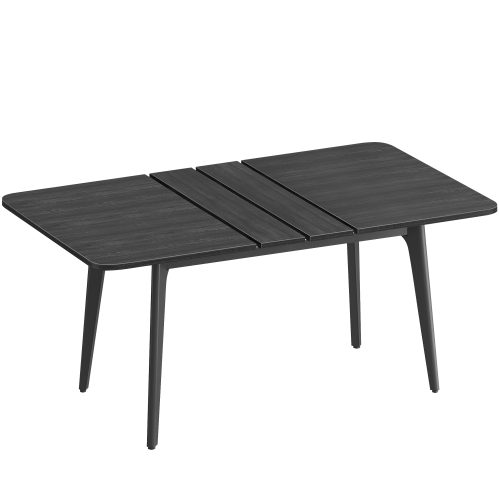
A Seat at the Future Table
Great dining starts long before the first plate hits the table. A dinning table manufacturer sets the pace of the meal—how the wood feels under a warm bowl, how the legs steady the candle’s flicker. In a busy bistro, tables turn fast; at home, they gather stories. Many shops run lead times around 30–60 days and keep defects low with tight QC, yet the gap between price and feel can still be wide. When a china kitchen table manufacturer ships a collection, the grain, finish, and hardware meet the real test: daily use. So the question is simple: which build method and factory choice deliver that “quiet, sturdy” moment without stretch in cost or risk?
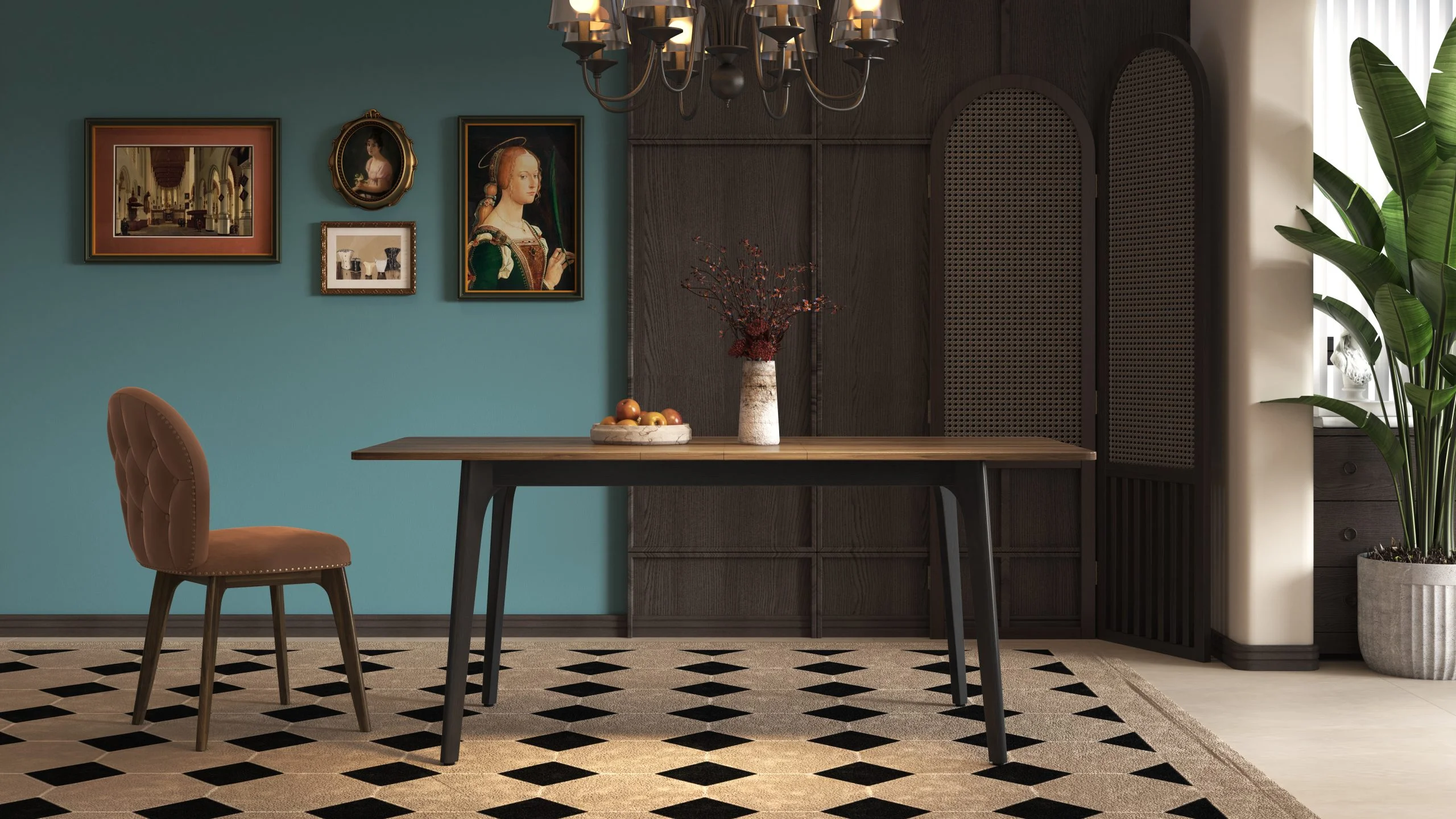
Direct answer: compare how makers source wood, stabilize moisture, and finish edges. The aroma from kiln-dried oak, the soft click of a balanced glide, the cool brush of a matte UV coat—these details decide returns and repeat orders. Let’s step closer, then pace ourselves to what’s next.
Under the Surface: Hidden Pain Points in Traditional Sourcing
Why do the old fixes break down?
Traditional buys lean on big MOQs and end-of-line checks. That’s late. A table can look fine on the dock yet warp in a dry dining room because the core wasn’t stable. Moisture mismatch meets forced airflow—funny how that works, right? Color drift appears when top veneers and aprons come from different batches. CAD/CAM files change, but the floor runs an old jig; now the apron joint sits proud by a millimeter. And packaging? One weak corner post turns a smooth satin top into a claim. Look, it’s simpler than you think: find failure upstream, not at the final wipe-down.
Two silent culprits recur. First, process islands: CNC routing, sanding, and finishing run as separate teams without a shared ERP ticket, so substitutions sneak in (veneer thickness, hardware spec). Second, time compression: late change orders push rushed curing, which hurts finish adhesion. Even premium kiln-dried lumber can twist if acclimation windows are skipped. Meanwhile, powder-coated steel frames may pass salt-spray tests yet chip in transit when foam density is wrong. The old fix—“inspect harder at the end”—doesn’t solve root causes like moisture balance, fixture tolerance, or pack density. Technical truth: tolerance stack-up beats intention every time.
Comparative Lens on What’s Next
What’s Next
Forward-looking factories treat each table as data in motion. They tag parts with QR codes, log moisture at each station, and sync line speed to curing profiles. New principles matter: closed-loop feedback from in-line vision checks, UV-cured finishes with controlled dose, and dynamic fixtures that auto-correct for bow. This is where a semi-formal comparison helps—makers that integrate ERP with shop-floor sensors reduce rework and color variance because the system catches drift early. Pair that with modular BOMs, and you can swap a base or leaf without derailing the schedule. For buyers running kitchen table wholesale, that means steadier SKUs and calmer customer service queues (less noise, more rhythm).
Case in point, the shift to waterborne UV topcoats cuts VOCs and speeds handling while keeping that soft-touch matte; add calibrated edge-banding and the seam all but vanishes. Steel bases benefit from improved pre-treatment, so powder coating bonds deeper. Wood frames get a longer acclimation in a controlled cell—then joints press in one pass. The result? Fewer returns, cleaner grain, tighter feels. Summing up the earlier issues (late QC, process islands), the future is comparative: factories that build feedback into each node outperform those that push checks to the dock— and yes, it matters. Advisory close: use these three checks when choosing your next partner.
– Process control score: ask for moisture delta logs by station and the percentage of in-line corrections made before topcoat.
– Finish durability: request Taber abrasion cycles and edge-impact results alongside actual field photos after 6 months.
– Delivery reliability: verify on-time delivery variance and the share of change orders completed without line stoppage.
Choose with calm eyes, taste the details in the finish, and expect the table to earn every meal it hosts. SONGMICS HOME B2B