
Introduction: A Hall, a Timeline, and a Tough Choice
A show runner calls at 6 p.m., load-in is tight, and the opener needs a clean beam map across a school hall stage. The indoor laser lights supplier they used last year is on hold again. In our last three mid-size gigs, I logged setup delays that ate 18% of rehearsal time and a sync drift that hit 120 ms on the audio cue—eish, that’s visible. So, how do you judge a supplier when your audience wants crisp lines and zero drama? We start with the actual use case, not the brochure. We weigh scan speed, safety, and service. Then we ask: will it hold up when the haze spikes or the power feed dips? (Because it will.) Right, let’s break down what matters and what only looks shiny on paper—then we’ll stack suppliers side by side, fair and square.
Hidden Gaps You Feel on Stage: Why a 15W Platform Solves More Than Brightness
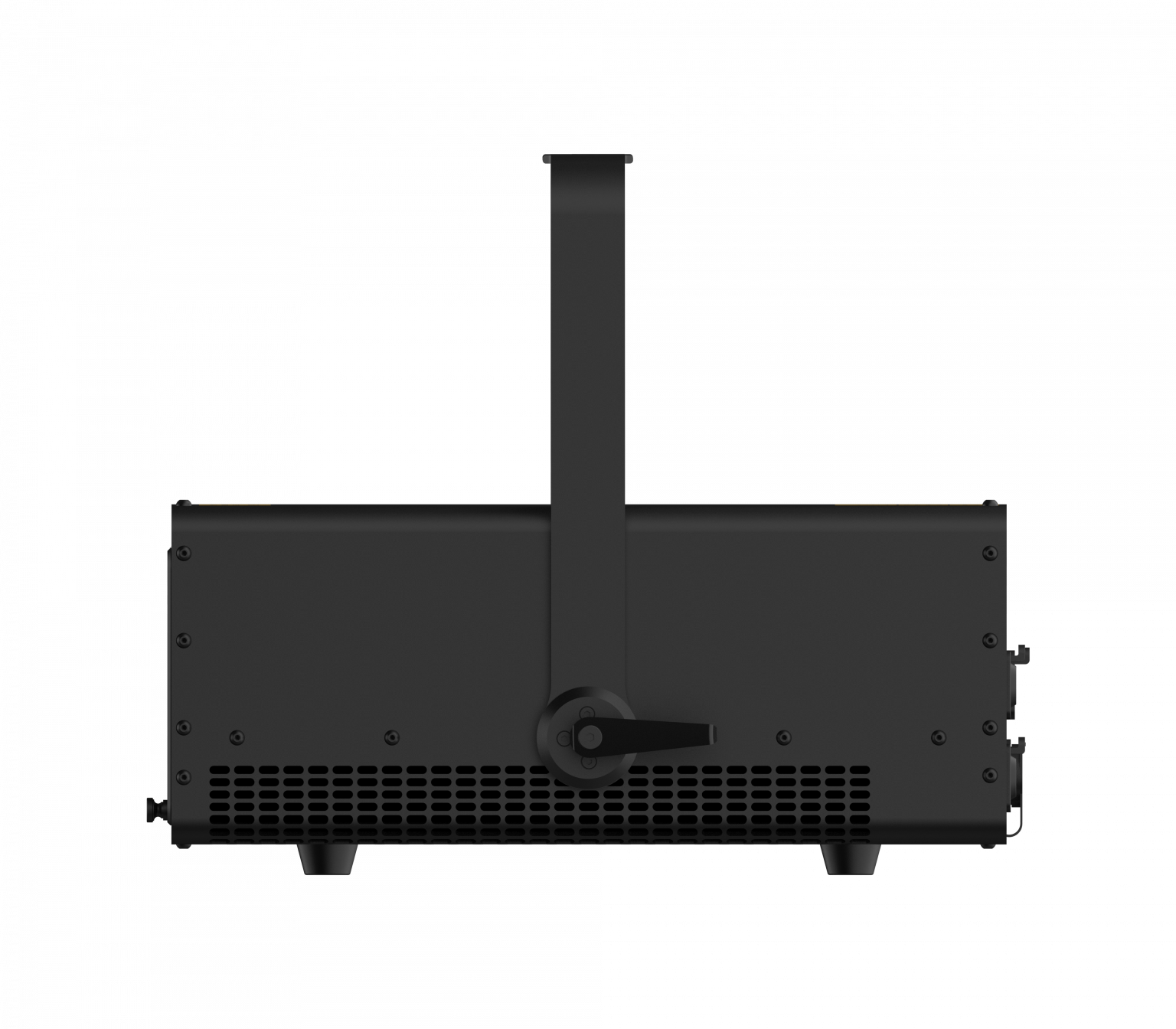
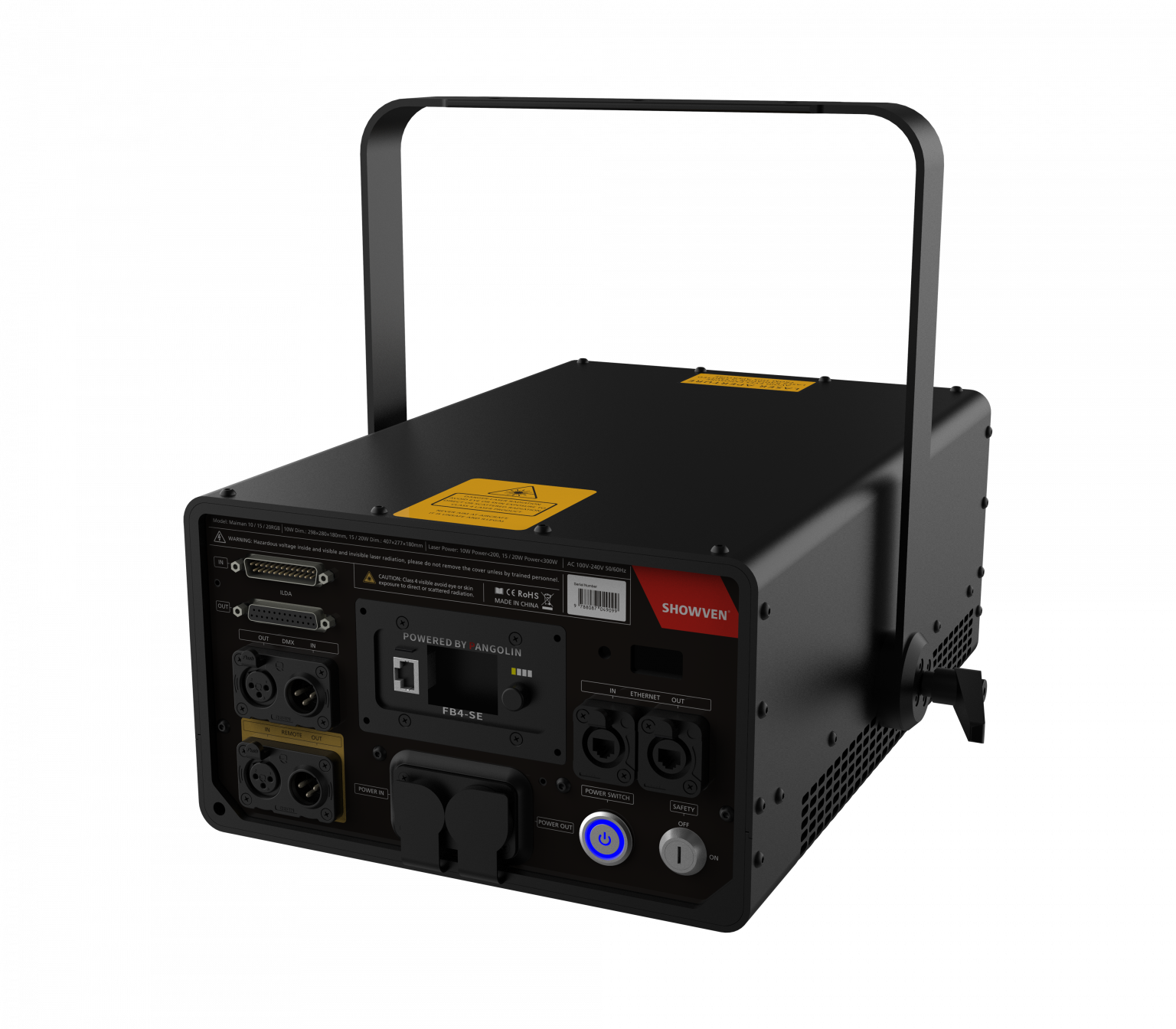
The fix is not only “more power.” A solid rig, like a 15w laser light, also closes the small gaps that wreck cues. Look, it’s simpler than you think. Old setups miss in three places: control latency, thermal drift, and alignment creep. When galvanometer scanners heat up, beam divergence shifts just enough to fuzz the corners of your logo. Under a dirty feed, weak power converters can introduce ripple that shows up as micro-flicker in tight patterns. And if your DMX or Art-Net chain adds jitter, you get late frames, which your eyes catch, even at 30 meters. That is why spec sheets without real duty-cycle data mislead you—because the show runs hot, not on a bench.
Where do rigs fail, really?
They fail where maintenance is slow and the control stack has no plan B. A Class 4 unit needs clean safety interlocks and a quick ILDA bypass for testing. It also needs thermal margins that keep scan angles honest over two hours, not ten minutes. Add one more thing: quick-access calibration. If you can’t true the mirrors fast, you burn time. And time is budget. So a supplier that brings tested cabling, known firmware, and spare parts wins, even before the first cue rolls—funny how that works, right?
Comparative Lens on What’s Next: Smarter Control, Safer Output
We’ve covered the pain points. Now look forward. The next step is not brute output; it’s smarter control and safer, steadier beams. New fixtures push hybrid modulation that blends analog depth with digital safety frames, so small text looks clean without tearing. Edge computing nodes at the truss can timestamp cues using PTP, cutting control jitter down to a few milliseconds. Pair that with improved thermal design, and you get stable scan geometry through the finale. If you’re weighing indoor laser projector lights for install, ask for proof on long-run stability, not just burst tests. That is how you stop the “looks fine in warm-up, breaks in scene two” story.
What’s Next
Two paths are merging: safer firmware and more honest optics. Vendors now log real-time temperature, PSU ripple, and scanner load to a simple dashboard—no guesswork. Better still, a few are validating beam profiles at rated power, not at half. That means your logo stays sharp and your chase remains smooth. We also see cleaner integration with ILDA, Art-Net, and sACN, so your lighting desk can drive vector frames without extra boxes. In short, rigs are getting clever, not just loud—and that’s okay. The win is less drift, quicker resets, and smaller risk during audience scanning, if licensed and compliant.
How to Evaluate a Supplier (Quick Checks)
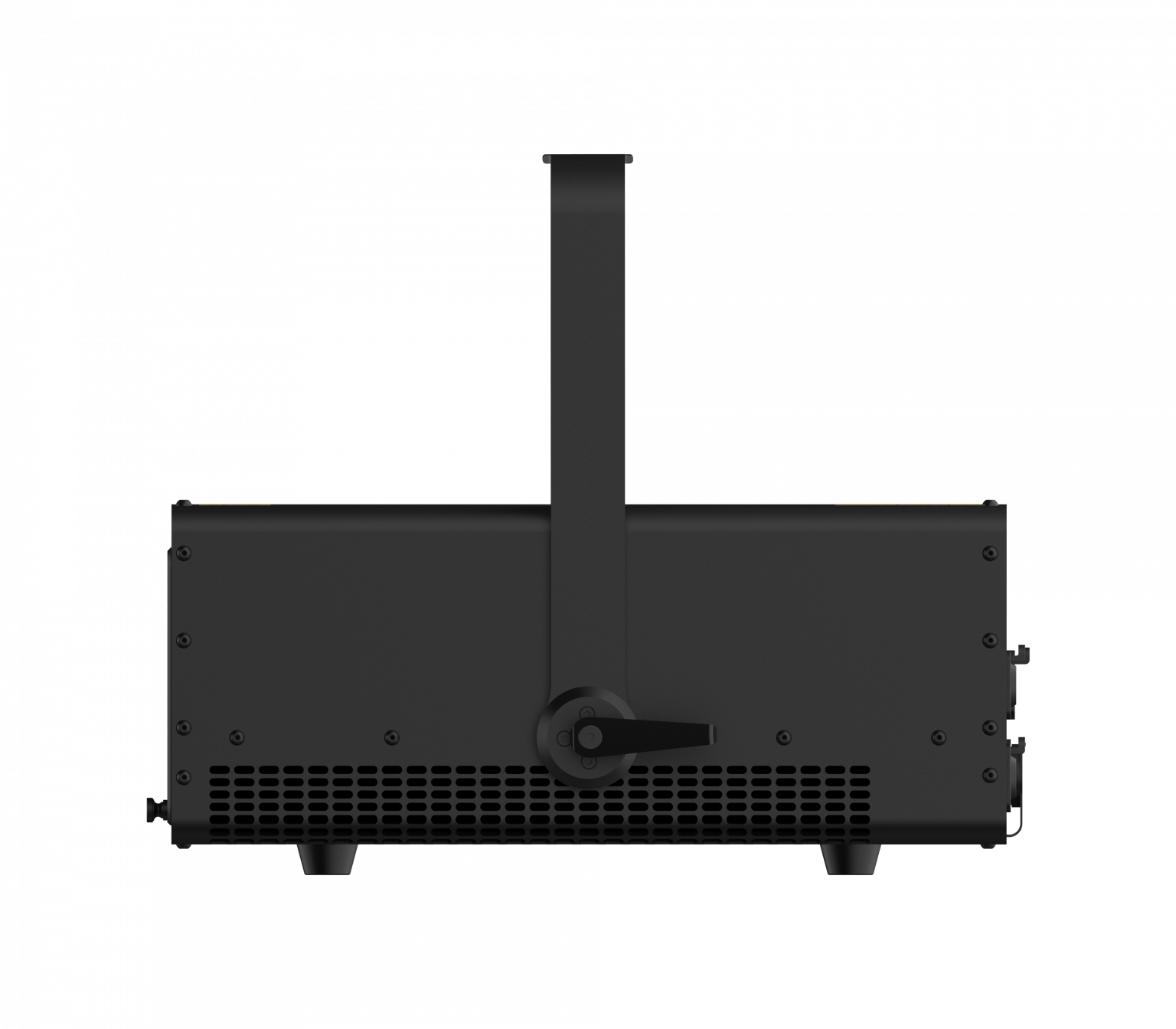
Use three hard metrics to cut through the noise. 1) Optical integrity at show load: ask for beam divergence and scan speed verified at full 15 W, plus duty-cycle curves over 90 minutes. 2) Control and power resilience: request latency numbers over DMX/Art-Net/ILDA, and check power converters for ripple under brownout; look for logs on thermal drift and active cooling. 3) Safety and service: confirm IEC 60825-1 compliance, interlock behavior, and spare-part SLAs; demand a calibration and swap plan for show day. Track these and your stage stays calm. If you need a reference point while you compare, keep an eye on engineering-forward makers like Showven Laser for how these benchmarks are documented in practice.