
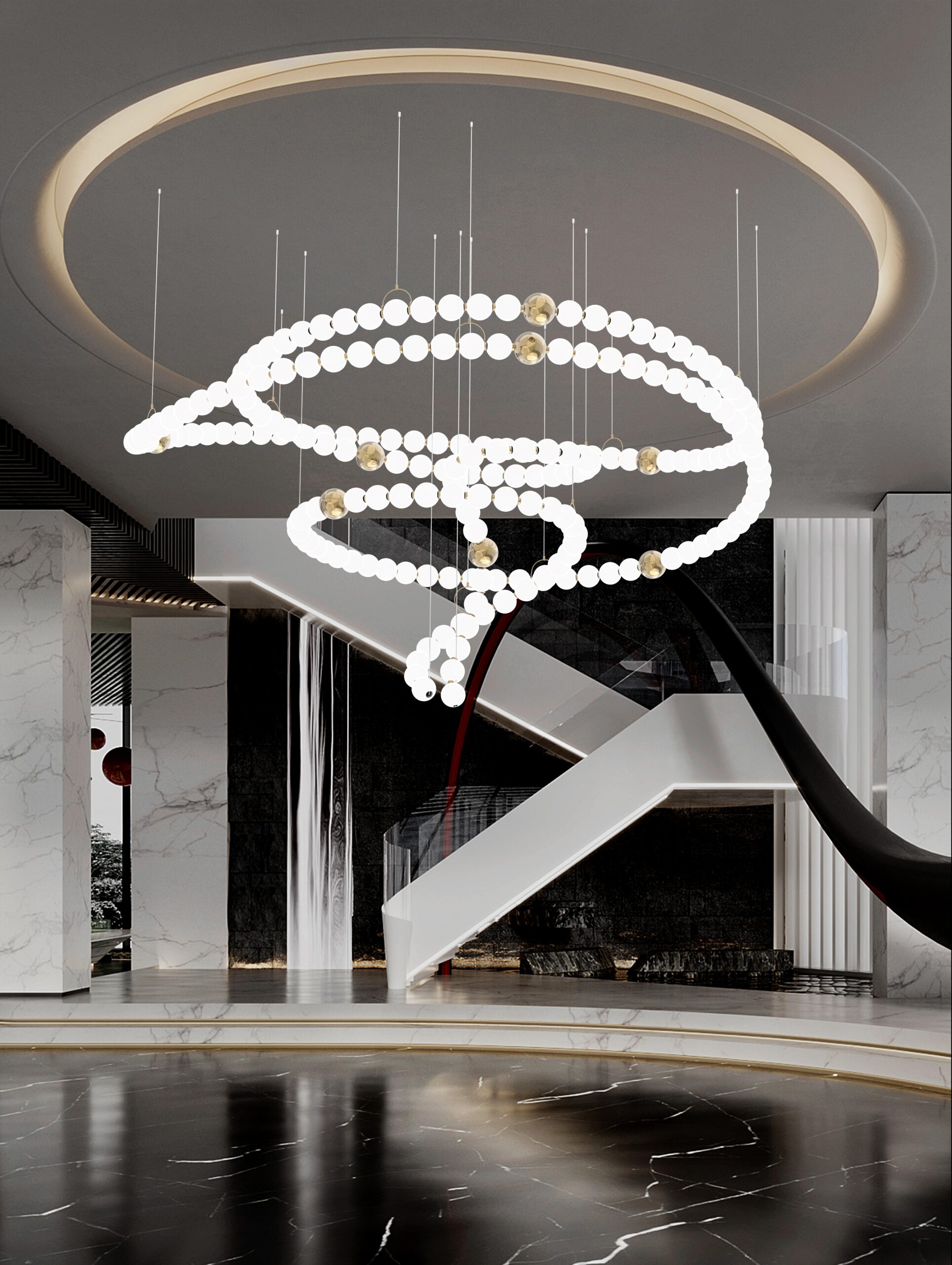
Introduction: Defining the Ceiling As a Lighting System
Think of a ceiling as a system, not a surface. In a busy hotel lobby at dusk, lighting guides movement, sets mood, and steers attention. A bespoke lighting company often joins a project when glare, shadows, and energy waste have already crept in—too late in the cycle, too early to judge the results. Studies show that glare can lower perceived comfort by over 40%, while smart dimming saves up to 30% in usage (different spaces, same pressure). So, what if we treated the ceiling as a tuned instrument instead of a fixed plate?
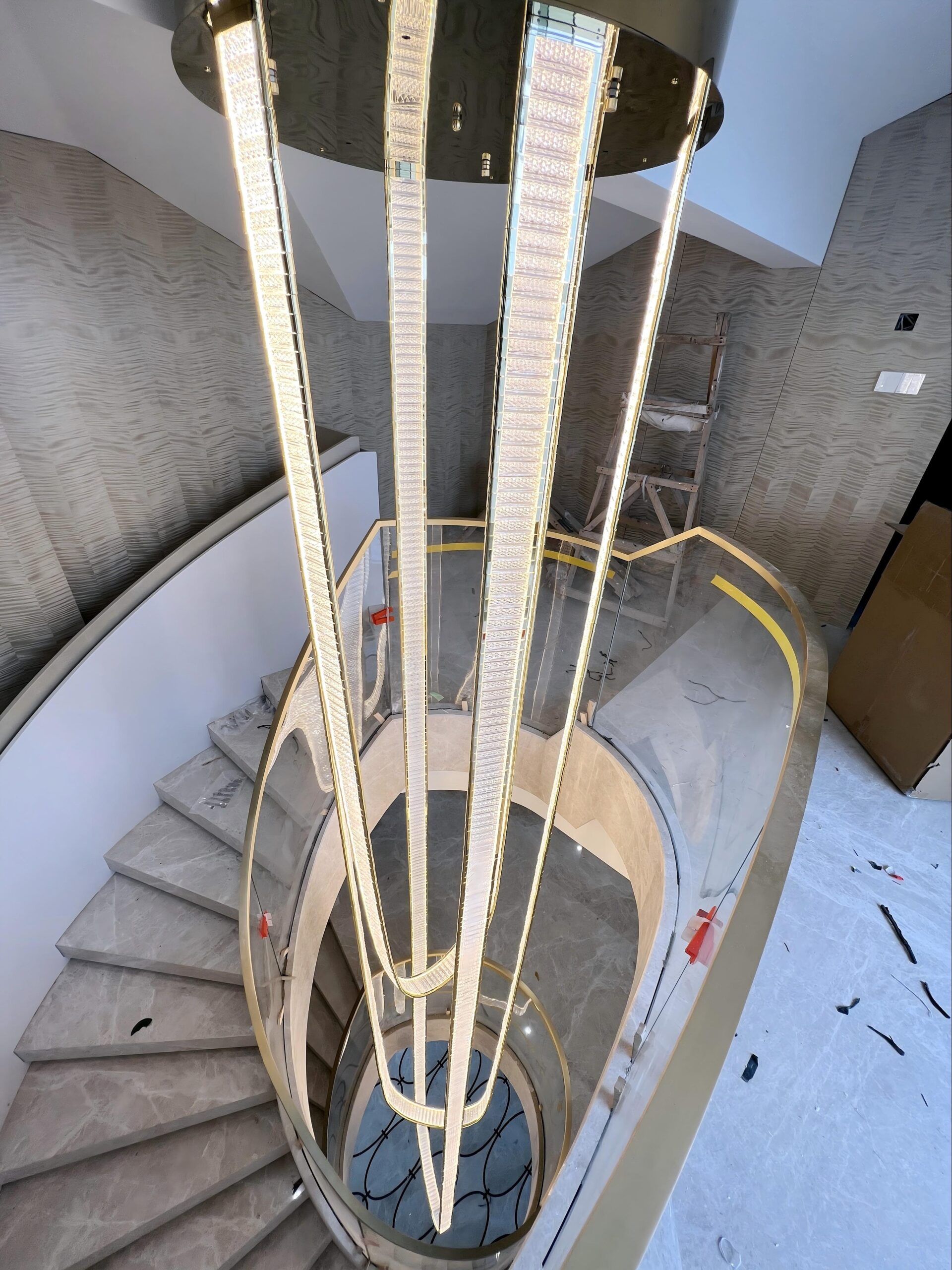
Here is the scenario: a client wants warmth, clarity, and control. The data says: lumen output, beam angle, and color temperature need to work together. The question is simple: which choices raise performance without raising headaches? Let’s compare what works versus what fights back—and why it happens in the first place.
Hidden Friction: Why “Custom” Ceilings Miss the Mark
Where do ceilings fail us most?
We assume custom means solved. It often means friction. Many teams specify bespoke ceiling lights late, then struggle with coordination. Fixtures clash with HVAC slots. Drivers don’t match the dimming protocol. The result: hot spots, dull corners, and noisy maintenance. Look, it’s simpler than you think. Map the ceiling as layers—structure, services, luminaires, controls—and you cut hidden pain fast. When CRI, beam angle, and photometric plans align, glare drops and surfaces look right—funny how that works, right?
Traditional solutions break down in small ways. Ceiling voids are too shallow for proper heat sinks. Power converters run hot near insulation. Reflectors are chosen by catalog photo, not by test data. And controls? A DALI loop gets panicked revisions when scenes flicker under video. These are not edge cases; they’re daily risks. They show up as callbacks, ladder time, and upset staff. The fix is blunt but effective: set drivers, optics, and cable paths first. Then lock the dimming topology. You tame complexity before it multiplies.
Comparative Insight: Principles That Make Custom Work Tomorrow
What’s Next
The next wave is less about fancy housings and more about new technology principles. Think modular drivers with thermal headroom, low-noise power converters, and control nodes at the edge for resilience. When you compare like for like, a tuned ceiling grid with integrated optics beats ad‑hoc cutouts every time. It reduces maintenance, stabilizes color temperature, and keeps lumen output steady over time. Partnering early with bespoke lighting manufacturers shifts the curve—specs get verified against real ceiling depths, IP ratings match use zones, and sensors are placed where people actually walk, not where the drawings guessed.
From lab to site, the rule holds: fewer variables, better results. A small case in point: replacing a mixed-protocol array with a unified DALI+DMX backbone cut commissioning time by half (and yes, it matters). Coordinated heat management kept LED junction temps low, so output stayed stable, and finish colors looked consistent. The takeaway echoes the earlier pain points without repeating them: plan optics, drivers, and control scenes as one bill of design. Then confirm with a quick photometric simulation. To choose well, use three metrics: verify beam distribution at task planes, confirm dimming curve compatibility across drivers, and measure in-situ temperature at the plenum during soak tests. The rest falls in line—cleaner installs, calmer spaces, clearer outcomes with kinglong.