
Introduction
Have you ever watched a production line hiccup and wondered who really pays for that downtime? I have—and those moments stick with you. In many facilities, wet wipe machinery sits at the center of months-long product plans and millions in revenue; production data shows uptime directly correlates with profit margins (and worker morale). So how do we put users—the operators, quality engineers, purchasing managers—back at the center of design and investment decisions?
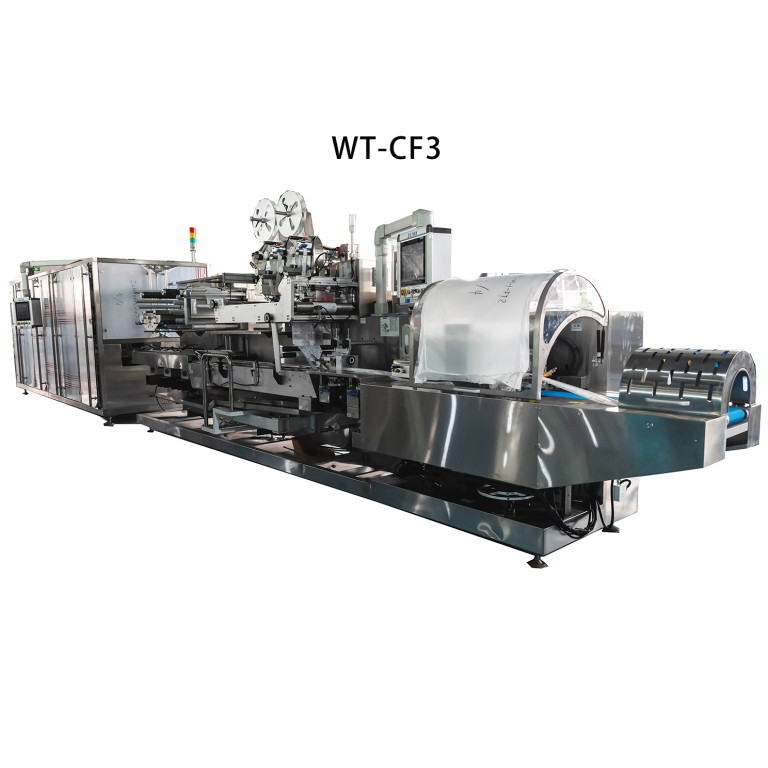
Deep Dive: Where Traditional Solutions Fall Short
I want to get technical here because the problems are concrete. The wipes manufacturing machine is often designed around peak throughput targets, not daily realities. That means manufacturers ship machines with oversized reel-to-reel speeds and complex PLC controller logic that operators rarely dial into—creating brittle setups. We see repeated failures in areas like metering pump calibration, nonwoven fabric handling, and the perforation system. These are common, but they matter: miscalibrated metering pumps cause uneven wetting; poor tension control at the unwinder creates wrinkling and rejects.
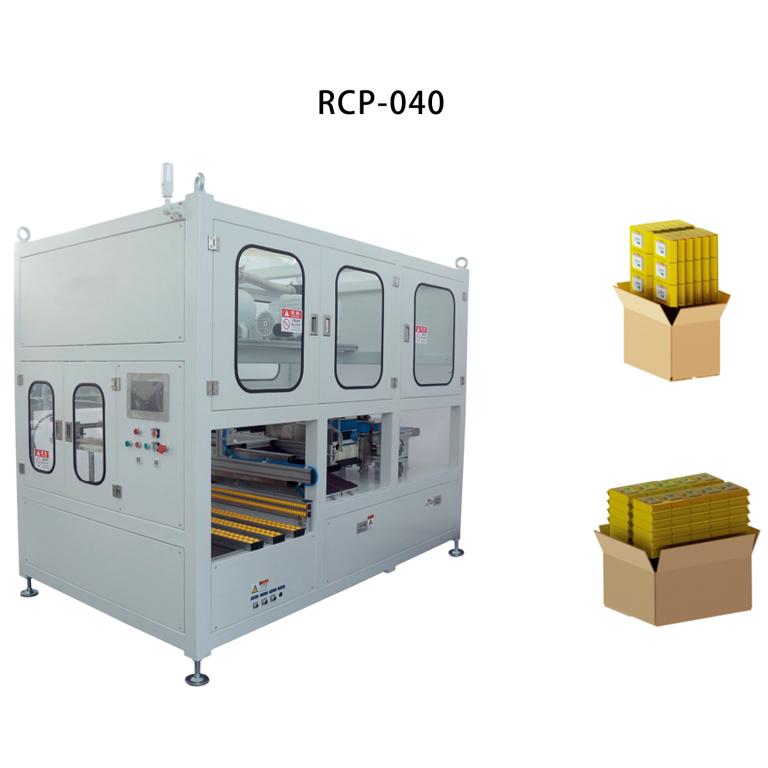
Why does that hurt users?
Because the pain points are hidden until they aren’t. Operators juggle quick changeovers, maintenance teams scramble over unclear error codes, and procurement gets blamed for “overpaying” when the machine underdelivers. Look, it’s simpler than you think—training alone won’t fix a design that expects perfect inputs. I’ve watched lines stop for hours while teams chase servo motor faults and reseat sensors. That interruption—funny how that works, right?—is expensive and demoralizing. Those are the cracks that compound into chronic quality variance. If you’re an engineer or plant manager, you feel that frustration every shift; if you’re in procurement, you feel the budget pressure every quarter. The core flaw is imbalance: performance specs without realistic human-centered operation models.
Forward-Looking View: New Technology Principles and Practical Metrics
Now let’s look forward. I believe the next step is pragmatic: combine smarter control layers with operator-centric design. The modern wipes manufacturing machine should pair adaptive PLC controller routines with simple operator interfaces. That means closed-loop tension control, inline sensors for moisture and fabric integrity, and predictive alerts that actually tell a technician what to do. We’re not chasing novelty; we want reliability. In practice, that can cut changeover times and scrap rates—measurably. I want to stress: investing in an integrated unwinder with better tension feedback will often pay for itself faster than upgrading to a marginally faster folding unit. — a trade-off many companies miss.
What’s Next?
Here are three practical evaluation metrics I recommend when choosing equipment: 1) Mean time to recover (MTTR) under realistic line conditions; 2) sensor-driven percentage of issues resolved without manual intervention; 3) total cost of ownership over three years, including spare parts and training. Assess these, and you’ll avoid the trap of buying peak specs that need perfect conditions. We’ve tested these metrics in pilot lines and found the difference is not subtle—it’s decisive. At the end of the day, we should measure technology by how it eases day-to-day pain, not how it looks on a spec sheet. For suppliers and buyers aligning on those metrics, outcomes improve fast—sometimes in a matter of weeks. — and that, to me, is the most encouraging part.
In closing, I’ve walked plant floors, talked with operators and engineers, and reviewed the numbers. My judgment is simple: prioritize usability, robust controls, and clear metric-driven evaluation. If you do that, the next generation of wet-wipe lines will be less temperamental and more profitable. For a practical partner and further details on integrated solutions, see ZLINK.