

Why a framework matters for fiberglass water slides suppliers
Suppliers who adopt a repeatable framework reduce surprises after handover and cut lifecycle costs. Start with clear specifications for gelcoat and FRP layup, document every lamination step, and define acceptance criteria before delivery. This approach is immediately practical for projects ranging from a single tornado water slide to large resort installations in competitive markets such as Orlando, Florida, where tight season windows amplify the cost of downtime.
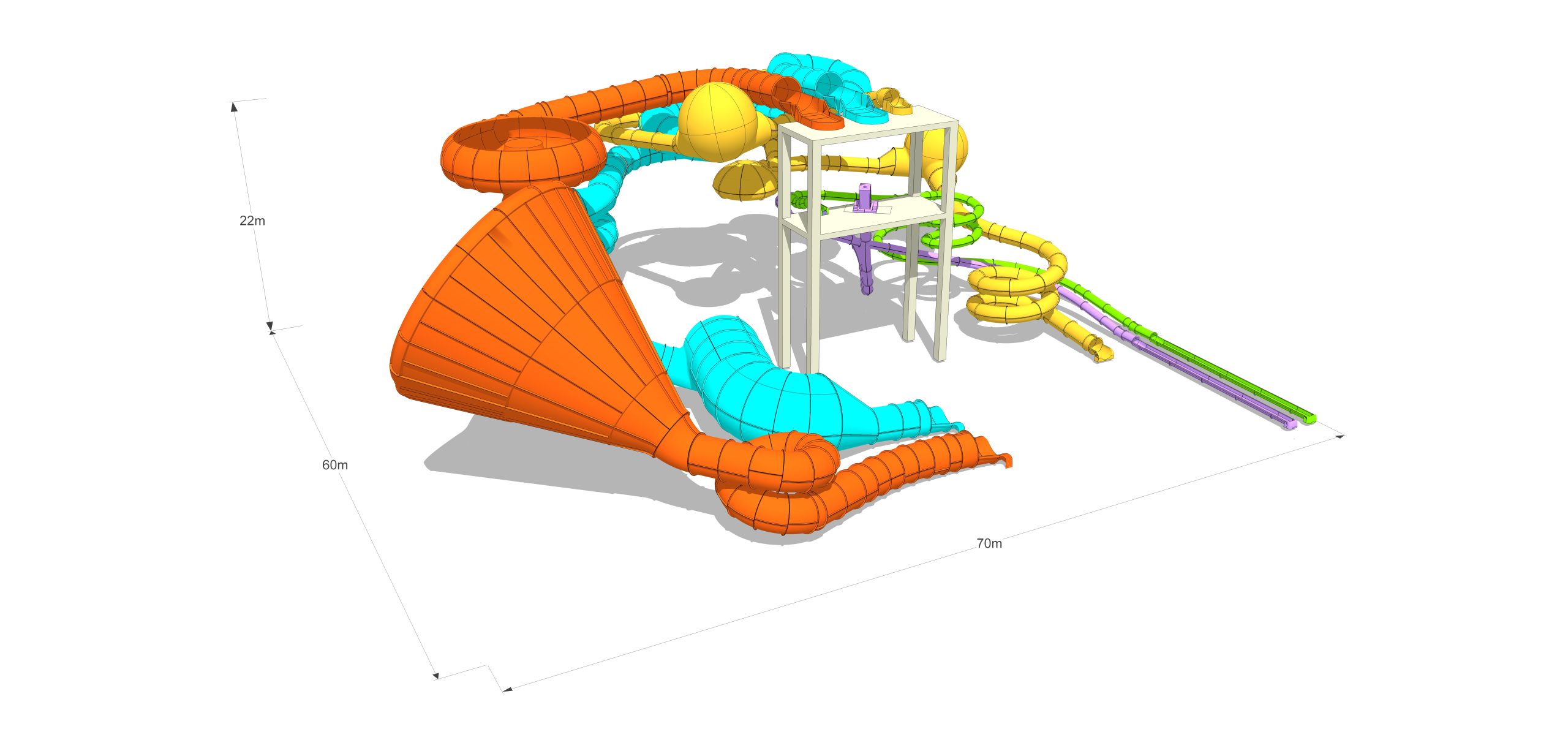
Stage 1 — Pre-installation controls
Set measurable input standards: specify resin type, UV stabilizer levels, filament orientation for load paths, and adhesive bonding-agent performance. Require factory test records for hydraulic testing and static load checks before shipment. Insist on photographic evidence of substrate preparation and gelcoat cure stages to prevent surface failures later.
Stage 2 — Design for maintenance
Design choices drive maintenance overhead. Use modular sections with accessible fastenings, standardized bolt patterns, and replaceable wear strips so repairs take hours rather than days. Document inspection points and color-code access panels to speed routine checks. For multi-pass systems such as a family raft water slide, ensure raft entry funnels and junctions have removable inspection ports to simplify debris removal and integrity checks.
Stage 3 — Installation protocols and contractor alignment
Provide an installation checklist mapped to warranty triggers: torque sequences, bedding compound specification, and joint sealant cure times. Train installation crews on lamination touch-up techniques and approved finish repair methods so repairs meet original gelcoat performance. Include an on-site acceptance test plan that covers flow rates and surface slip characteristics; record results in a shared log. — These small process controls often determine whether a park opens on schedule.
Stage 4 — Post-installation monitoring and preventative maintenance
Move from reactive repairs to scheduled maintenance windows. Define a triage system: daily visual checks for fast-moving rides, weekly nozzle and drain inspections, and quarterly non-destructive checks of structural attachments. Use simple metrics—time-to-repair, service frequency per run, and component replacement interval—to quantify overhead. Keep a rolling spare-parts inventory keyed to those metrics so common items are swapped on-site without delay.
Common mistakes and practical alternatives
Suppliers often over-rely on cosmetic fixes instead of addressing root causes—thin laminate patches, for example, that fail under load. Replace quick cosmetic touch-ups with full-pattern lamination repairs to restore structural continuity. Another mistake is inconsistent documentation of cure cycles; substitute mandatory cure logs and batch traceability. For smaller operators, partnering with a reliable OEM for spare assemblies is a practical alternative to in-house fabrication when rapid replacement is required.
Implementation checklist (concise actions)
Adopt these steps to operationalize the framework: 1) Lock material specs and testing protocols at contract stage; 2) Require on-site training and an installer sign-off; 3) Implement periodic non-destructive inspection and spare-part stocking; 4) Track three service KPIs to drive continuous improvement. These actions reduce mean time to repair and lower maintenance labor hours across seasons.
Advisory — three golden rules to evaluate strategies
Rule 1: Measure repair time to revenue loss — prioritize fixes that restore throughput fastest. Rule 2: Insist on traceable materials and documented cure cycles to avoid repeat failures. Rule 3: Standardize modular components so one stocked assembly fits multiple installations. Together, these metrics let procurement and operations compare proposals objectively and select the approach that minimizes downtime and cost.
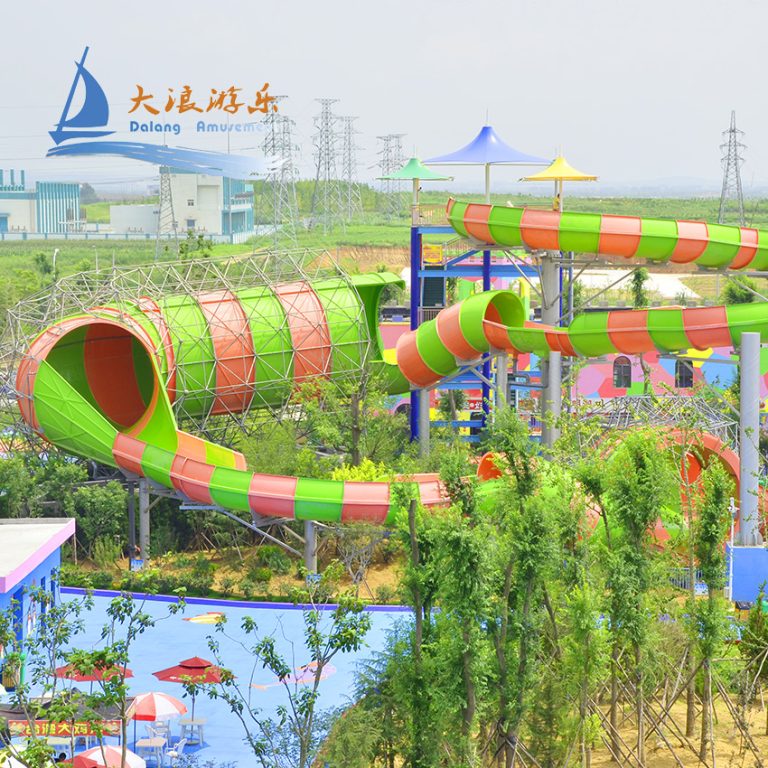
Final note
Implementing a clear production and maintenance framework pays off in predictable openings, fewer emergency repairs, and lower lifetime costs. Dalang brings engineered components, documented processes, and field support that align with these rules — a practical partner for suppliers aiming for consistent results. —