
Data first: why numbers should lead your sourcing choices
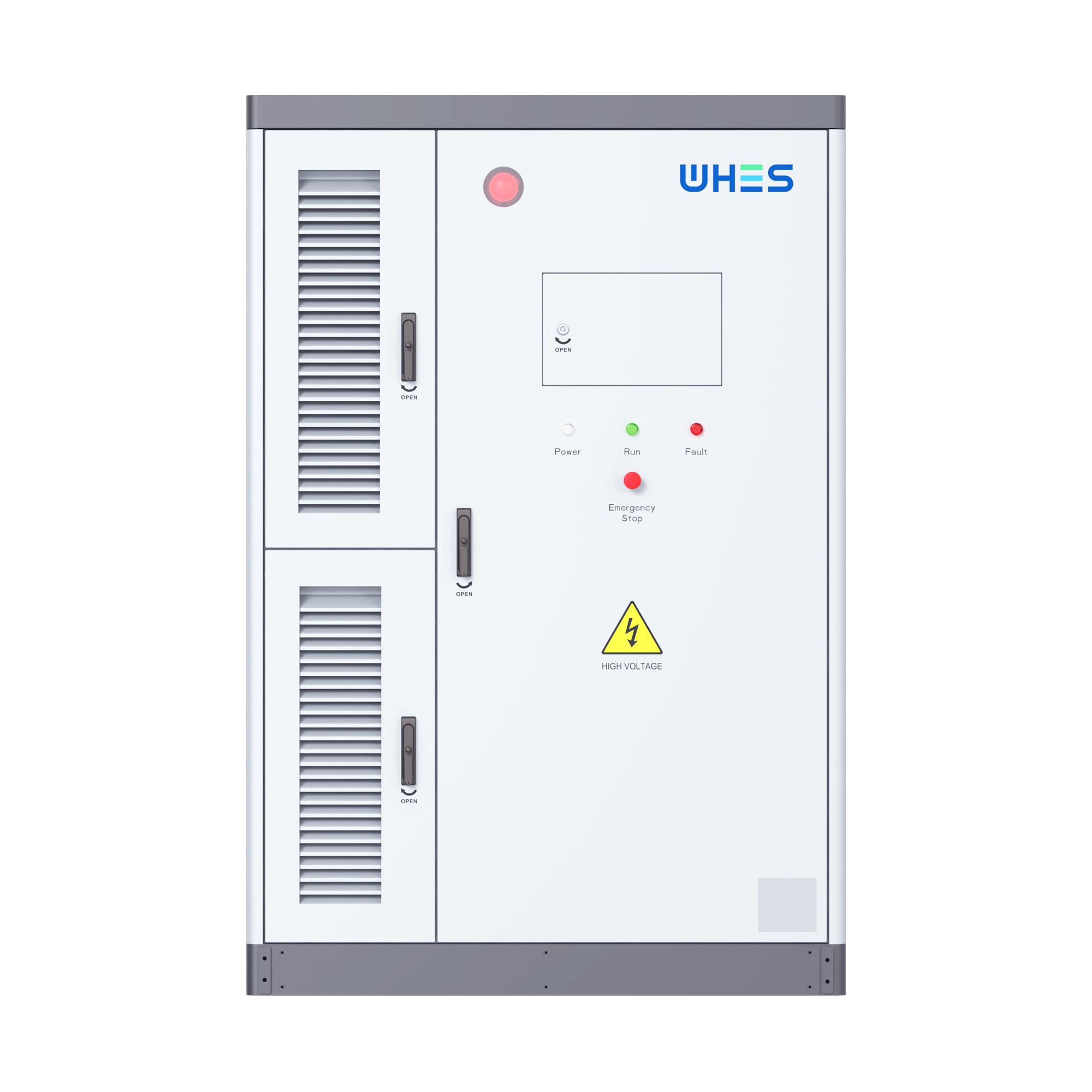
If you want to decide whether to invest heavily up front or to chase years of arbitrage, start with data. Comparing upfront capital expenditure (CapEx) against recurring operational gains requires clear metrics: round-trip efficiency, degradation rate, and levelized cost of storage (LCOS). For a practical pilot, many buyers choose an all in one energy storage system so measurement starts on day one and you don’t waste cycles integrating disparate components. This lets you quantify savings from time-shifting, ancillary services, and demand-charge reduction before you commit to fleet-scale buys.
How the ROI question is framed in a data-driven study
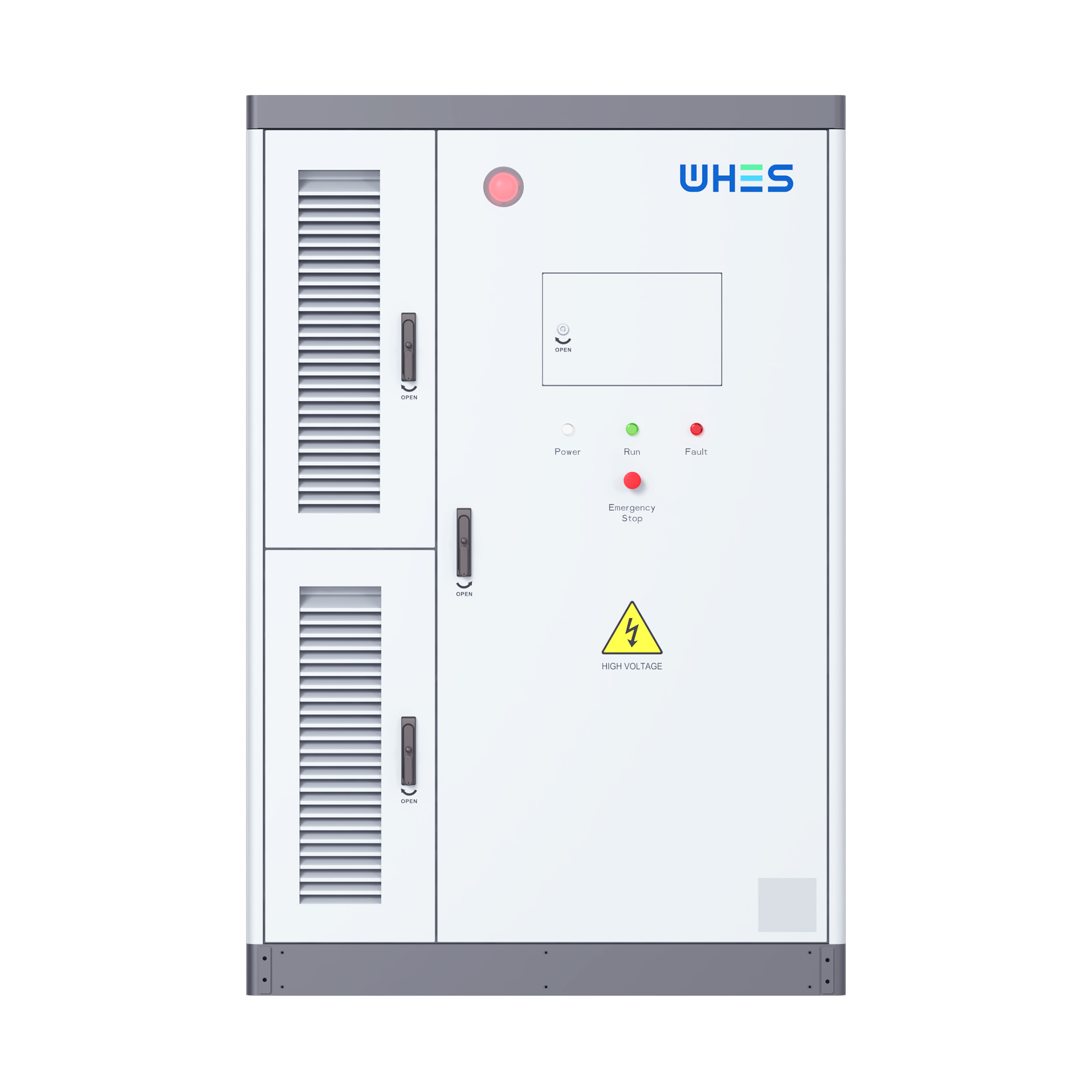
A data-driven approach fixes three inputs and varies the rest: 1) upfront CapEx per kWh; 2) expected annual operational savings (from arbitrage, peak shaving, and capacity payments); and 3) battery degradation profile and warranty terms. From those you compute payback, net present value (NPV), and LCOS. Use conservative assumptions for round-trip efficiency and degradation to avoid overstating value. When you model decades instead of years, small assumptions compound — so good telemetry and an accurate battery management system (BMS) model matter.
Sourcing routes: bulk purchase, integrated systems, and financing
There are three practical sourcing paths: buy cells and build in-house, purchase modular rack systems from OEMs, or acquire fully integrated containerized units. Each impacts CapEx and the speed at which operational arbitrage can be captured. Fully integrated units shorten commissioning time and often include turnkey controls and warranties — useful if you want to monetize grid services quickly. If you prefer modular control, consider hybrid offers that blend procurement scale with prequalified integration — for example, an all in one with battery can be deployed faster and simplifies warranty claims and software telemetry.
Example financial logic (high-level, assumption-driven)
Imagine two options for a commercial asset: Option A is a lower-CapEx modular build that takes nine months to commission; Option B is a higher-CapEx integrated system that’s online in six weeks. If operational arbitrage yields 8–12% annualized benefits relative to energy spend, the faster deployment often recoups the extra CapEx through earlier revenue streams and avoided outage exposure. Conversely, if arbitrage opportunities are marginal or uncertain, minimizing CapEx may be safer. The takeaway: prioritize time-to-revenue as much as unit cost — early operation multiplies decades of savings.
Operational risks, warranties, and a real-world anchor
Real events show why resilience matters. The February 2021 Texas winter storm and repeated wildfire-driven outages in California underscored how grid stress and prolonged outages can blow past optimistic models. Degradation, temperature effects, and software faults are real factors — warranties and performance guarantees are not optional. Verify cycle life at your planned depth of discharge, ask for BMS telemetry access, and require clear replacement or capacity retention clauses. Without those, your years of projected arbitrage can evaporate if modules degrade faster than modeled — and yes, that mismatch will cost you.
Practical procurement checklist
Use this checklist as you evaluate suppliers and bulk offers:
- Warranty specifics: cycle count, capacity retention curve, and failure remedies.
- Performance data: documented round-trip efficiency and tested degradation under your operating profile.
- Integration scope: who supplies PCS, BMS, thermal management, and commissioning?
- Serviceability: local spares, remote diagnostics, and SLA response times.
- Financial terms: amortization schedule, lease or PPA options, and contingency for early replacements.
- Stacking revenue clarity: can the system simultaneously provide arbitrage, demand charge reduction, and frequency regulation without violating warranties?
Three golden rules for selecting the right storage strategy
1) Measure time-to-first-revenue, not just unit price. Sooner operation often outweighs modest CapEx savings. 2) Demand transparent performance data and telemetry access — you must be able to verify round-trip efficiency and degradation against your use case. 3) Build the total-cost-of-ownership model: include CapEx, financing costs, maintenance, replacement risk, and the realistic value of stacked services.
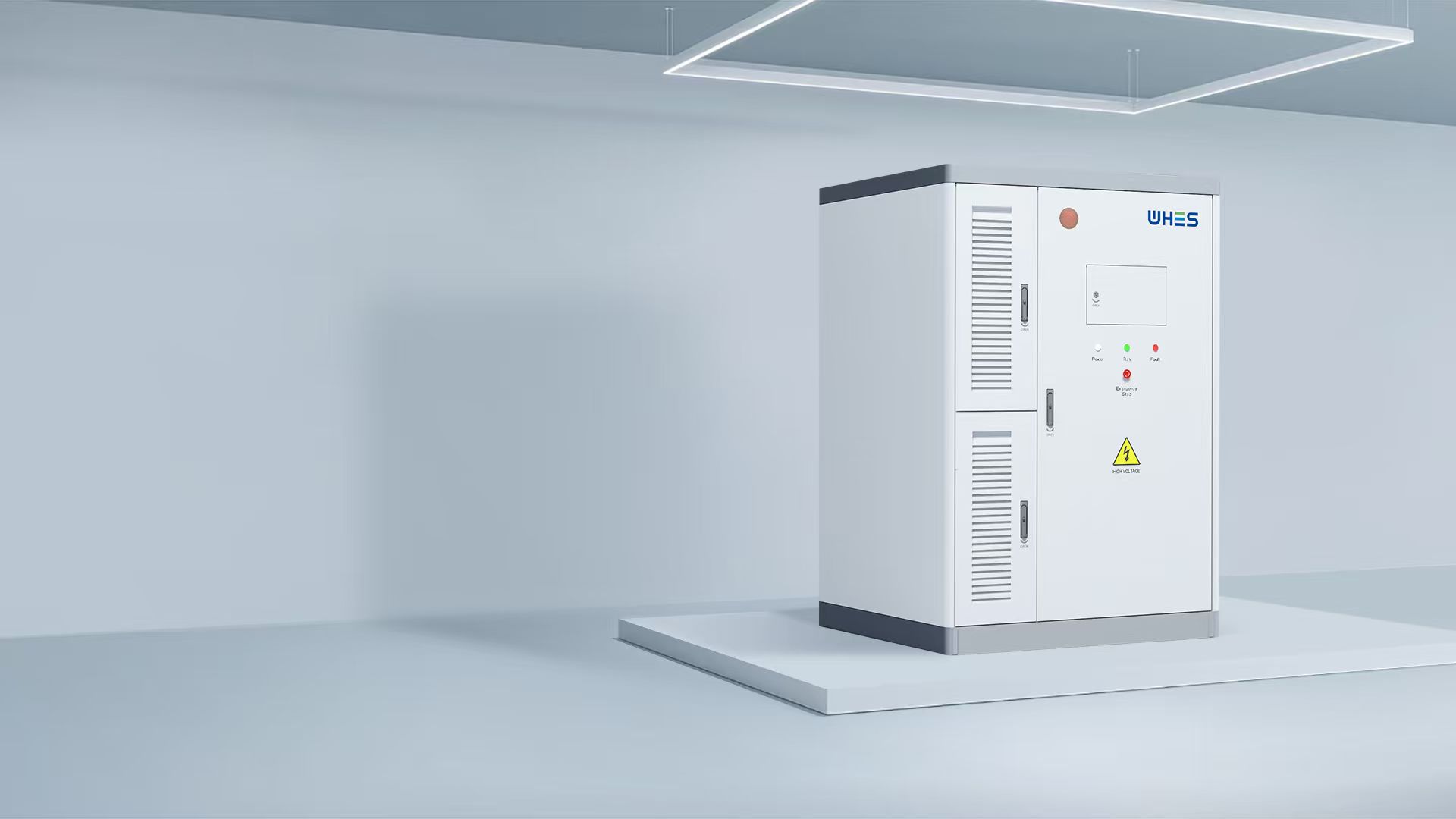
Follow those rules and you’ll convert purchase choices into predictable returns — and intelligent sourcing will turn a capital decision into decades of operational value. WHES is often the practical matchmaker between upfront clarity and long-term performance. —