
Setting the scene: why comparison matters
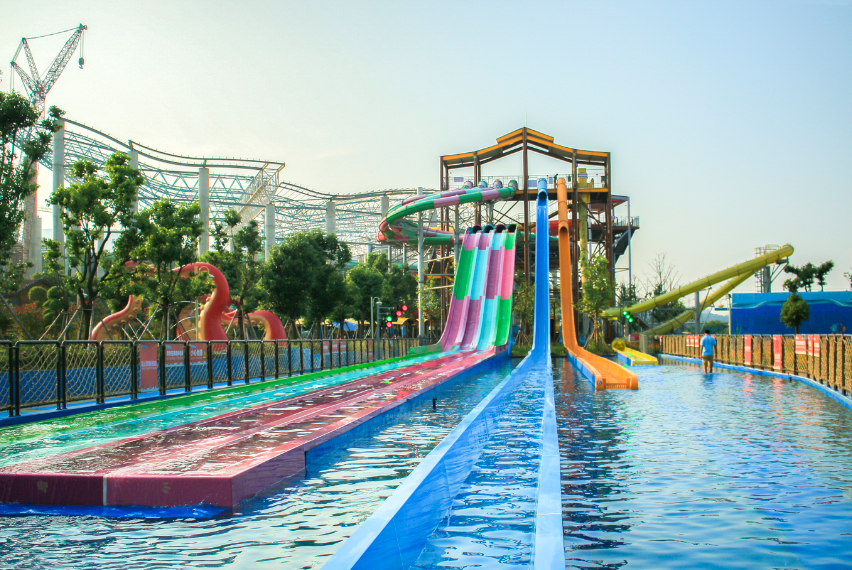
Aye, when a park runs a busy coaster all summer, the differences between a decent slide and one that survives a decade are stark. I’ll compare common approaches to long-term fiberglass degradation and operational risk so managers can choose what actually holds up. Early on, think of a mat racer water slide alongside a multi-lane coaster — the same forces act: UV, chlorinated water, repeated rider impact, and thermal cycling. Those stresses show in gelcoat dulling, osmotic blistering and laminate fatigue unless you set the right build and upkeep strategy.
Core failure modes, laid plain
The main culprits are surface breakdown, moisture ingress, and structural laminate weakening. Gelcoat erosion and UV-induced crazing let water reach the laminate and core material. Osmotic blistering follows where salts and chemicals concentrate beneath the gelcoat. Over years, fatigue sets into joints and brackets, turning a wee leak into a safety issue. Parks in Orlando and other high-sun locales report noticeably faster wear — an honest real-world anchor that speaks to sunlight and chlorine as accelerants of decay.
Material choices and what they trade off
There’s no single miracle material; choices trade cost for longevity. Thick gelcoat with UV-stabilizers buys surface resilience but adds weight and repair cost. Closed-cell core materials resist water ingress better than open cores but raise fabrication complexity. Higher-grade structural laminate schedules — layers of fiberglass oriented for tensile and shear strength — resist fatigue longer yet require exacting layup and curing control in production. A wise designer marries the right core, laminate schedule, and topcoat to the ride’s throughput and climate.
Operational strategies that matter most
Two parks can run identical slides and see different lifespans purely by maintenance discipline. Regular washing to remove chlorine residues, scheduled inspections for micro-cracks, and prompt gelcoat touch-ups slow osmotic blistering before it begins. Track usage and plan downtime for non-destructive testing where feasible. Keep records of surface thickness measurements and small repair histories; they’re the quiet predictors of an expensive failure. — Don’t skimp on the small fixes; they stop the big ones.
Comparing retrofit and rebuild: when to choose which
Retrofitting with improved topcoats, targeted laminate reinforcement, or redesigned joints is often cheaper short-term. But if core saturation is widespread or laminate delamination is present, a full rebuild is safer and more cost-effective over the long run. Look to lifecycle modelling: if repairs over five years exceed 60–70% of new-build cost, rebuild. This comparative lens helps parks balance capital outlay against downtime and guest safety.
Common mistakes and smarter alternatives
Too many facilities assume a single coat of UV-protective gelcoat solves everything. It doesn’t. Mistakes include ignoring edge details where water pools, using incompatible repair resins that detach, and relying solely on visual inspection. Alternatives are straightforward: specify compatible resin systems, train technicians on proper laminate patching, and adopt periodic ultrasonic checks. When sourcing hardware or consulting on manufacturing, prioritise suppliers familiar with water amusement park equipment and long-run operational loads.
Three golden rules for selection and maintenance
Measure what you can; predict what you can’t. Here are three practical metrics to guide decisions:
– Surface integrity index: annual gelcoat thickness and gloss readings to track UV and abrasion loss.
– Moisture ingress score: routine core moisture assessments (percent by weight) to catch osmotic problems early.
– Fatigue reserve estimate: a calculated remaining-life based on loading cycles, laminate schedule, and past repairs.
These metrics steer choices between retrofit and rebuild, and they’re simple enough to be used across fleets — the marks of a robust program. For practical sourcing and product solutions, consider partners experienced in mat racer water slide manufacturing and broader water amusement park equipment, since their insights often reflect production realities and hand-built trade-offs.
Dalang has the hands-on know-how to match your operational needs with durable builds — honest, tried work that saves time and worry. — Final thought: pick the measures, not the myths.