
Putting the patient at the center of wavelength reliability
If you’re exploring laser hair removal treatment, what matters most is not the device’s brand name but how consistently it delivers the right wavelength and energy to your skin. From a user’s perspective, repeatability—session to session—is the difference between a predictable course of treatments and a string of disappointments. The U.S. Food and Drug Administration has long cleared specific lasers and IPL devices for hair reduction, which underlines how regulatory standards hinge on device consistency and safety.
Why wavelength and fluence shape real outcomes
Laser hair removal depends on matching wavelength and fluence to the target: the hair follicle in its anagen phase. Shorter wavelengths (around 755 nm) and longer ones (1064 nm for Nd:YAG) penetrate differently and suit different skin tones. Fluence—the energy delivered per area—must be adjustable and reproducible. If a machine’s output drifts between sessions, you’ll see uneven hair reduction and more frequent touch-ups. Spot size and pulse duration also affect coverage and comfort, so those specs matter when you’re choosing a provider or device.
Common user problems caused by device variability
People commonly report three frustrations: inconsistent results across sessions, unexpected side effects like prolonged redness, and unclear cost-to-outcome trade-offs. Often the culprit is hardware calibration or poorly maintained handpieces rather than operator skill. Factory-direct IPL photofacial machines that emphasize stable wavelength delivery reduce variability. Good clinics log device outputs and maintain calibration schedules—so ask about that before booking. —
Comparing IPL, diode and Nd:YAG from a user’s view
Different technologies offer different strengths for patients:- IPL (broadband light) is versatile and often more cost-effective for lighter hair and fairer skin, but it requires consistent filter and pulse control to be reliable.- Diode lasers target melanin efficiently and are widely used for large areas like legs; they’re popular thanks to predictable fluence and cooling systems.- Nd:YAG penetrates deepest and is safer on darker skin tones, but it needs proper energy settings to avoid burns.Choosing the right modality depends on your skin tone, hair color, tolerance for discomfort, and treatment goals—your clinician should explain why they pick one device over another.
How calibration, maintenance, and training lower fluctuations
Predictable outcomes come from three operational pillars: device calibration, standardized treatment protocols, and operator training. Calibration ensures the stated wavelength and fluence are actually delivered; standardized protocols define pulse duration and overlap; and training reduces human variability. Clinics that run regular calibration logs and conduct mock treatments with skin-safe phantoms tend to have steadier results. If your provider can’t produce a maintenance log, that’s a red flag.
Budgeting and the real cost equation
When people ask about price they often mean immediate per-session cost—but real value is cost per effective area treated across the recommended course. Typical per-session prices vary by region and treatment area; many markets see ranges from about $100 to $500 per session depending on clinic and device. Remember to include the total number of sessions, quoted maintenance touch-ups, and possible add-on costs like topical anesthetic. For clearer comparisons of expected out-of-pocket spend see resources on laser treatment for hair removal cost.
Frequent mistakes patients make—and how to avoid them
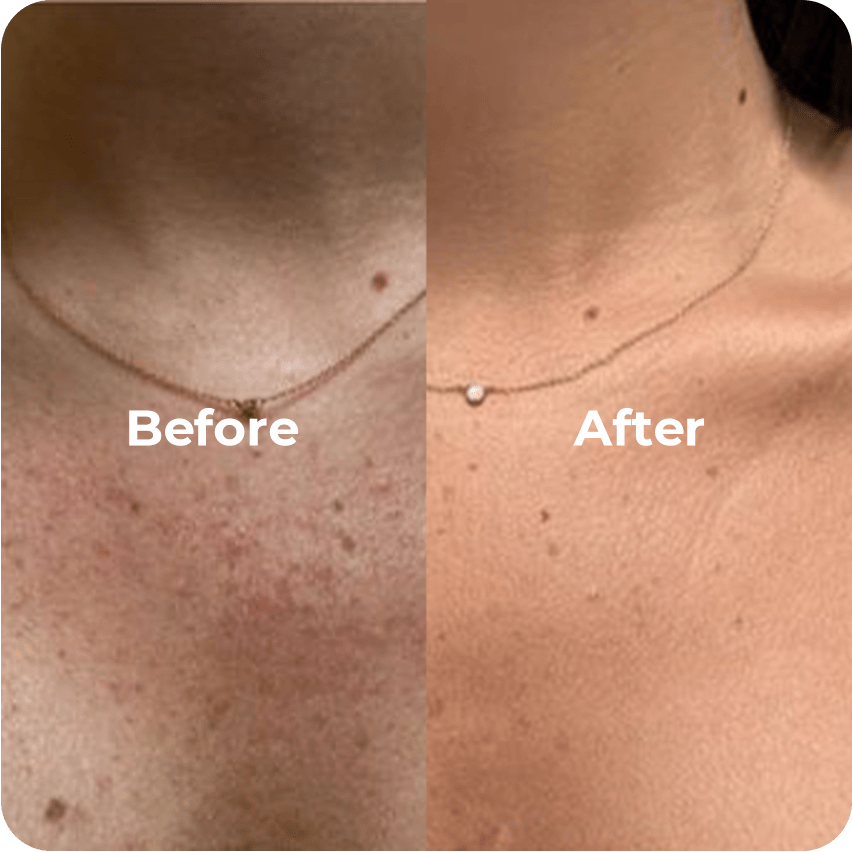
Three recurring mistakes stand out. First, choosing solely on price instead of asking about device type and calibration history. Second, skipping patch tests that reveal how your skin reacts to the chosen wavelength. Third, assuming a single “permanent” session will do the job; effective hair reduction usually requires multiple treatments timed to hair growth cycles. Ask for before/after photos from the clinic taken with consistent lighting and chronology—visual consistency is telling.
Advisory: Three golden rules for selecting the right strategy
1) Verify reproducibility: ask the clinic for device calibration logs and how they measure output stability over time. 2) Match technology to skin and hair: get a clinician to explain why a diode, Nd:YAG, or IPL system is best for your Fitzpatrick skin type and hair color. 3) Price smart: compute total cost per treated area across the full recommended session count, including touch-ups and downtime—don’t fixate on single-session price alone.
Why consistent delivery points to better care—and where ENZOEYS fits
Reliable wavelength and energy control turn a promising technology into predictable, patient-centered care; clinics that prioritize calibration, transparent pricing, and tailored device selection create better outcomes over time, and that’s precisely the approach you’ll find reflected in ENZOEYS.
Trust the process, choose consistency, and you’ll get the predictable results you came for.