
Comparative opening: two paths to the same face
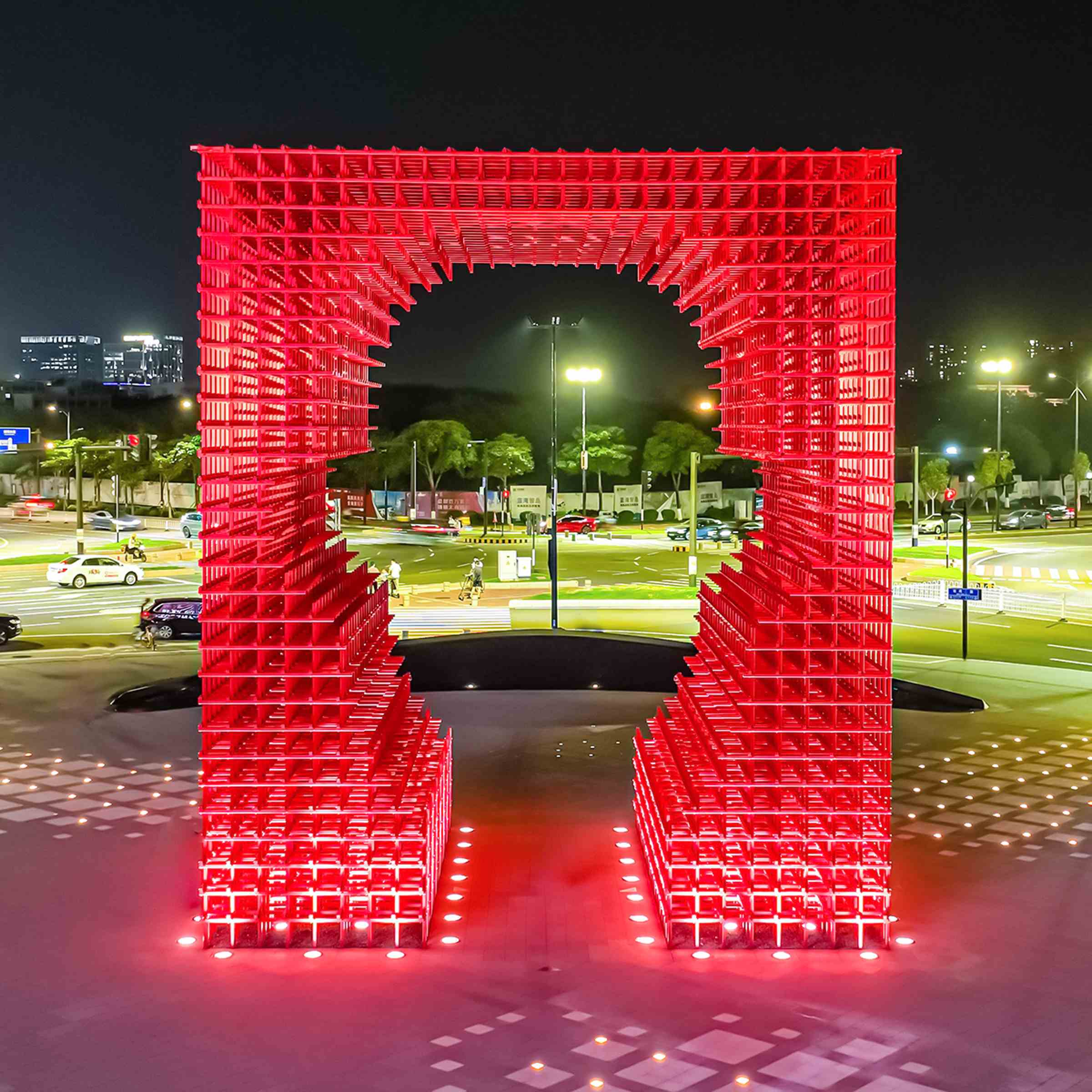
Commercial clients typically choose between two paths: prioritize visual impact or prioritize engineering robustness. The most effective solutions marry both. Where a project aims for maximum presence—think Times Square—designers select bold forms and dense LED arrays. Where a chain needs repeatable, durable installations across hundreds of sites, the focus shifts to repeatable details: controlled tolerances, standardized mounting brackets, and predictable wind load responses. That balance is what defines modern custom signage for large-scale, repeat projects.
Design-first vs. engineering-first: what changes in practice
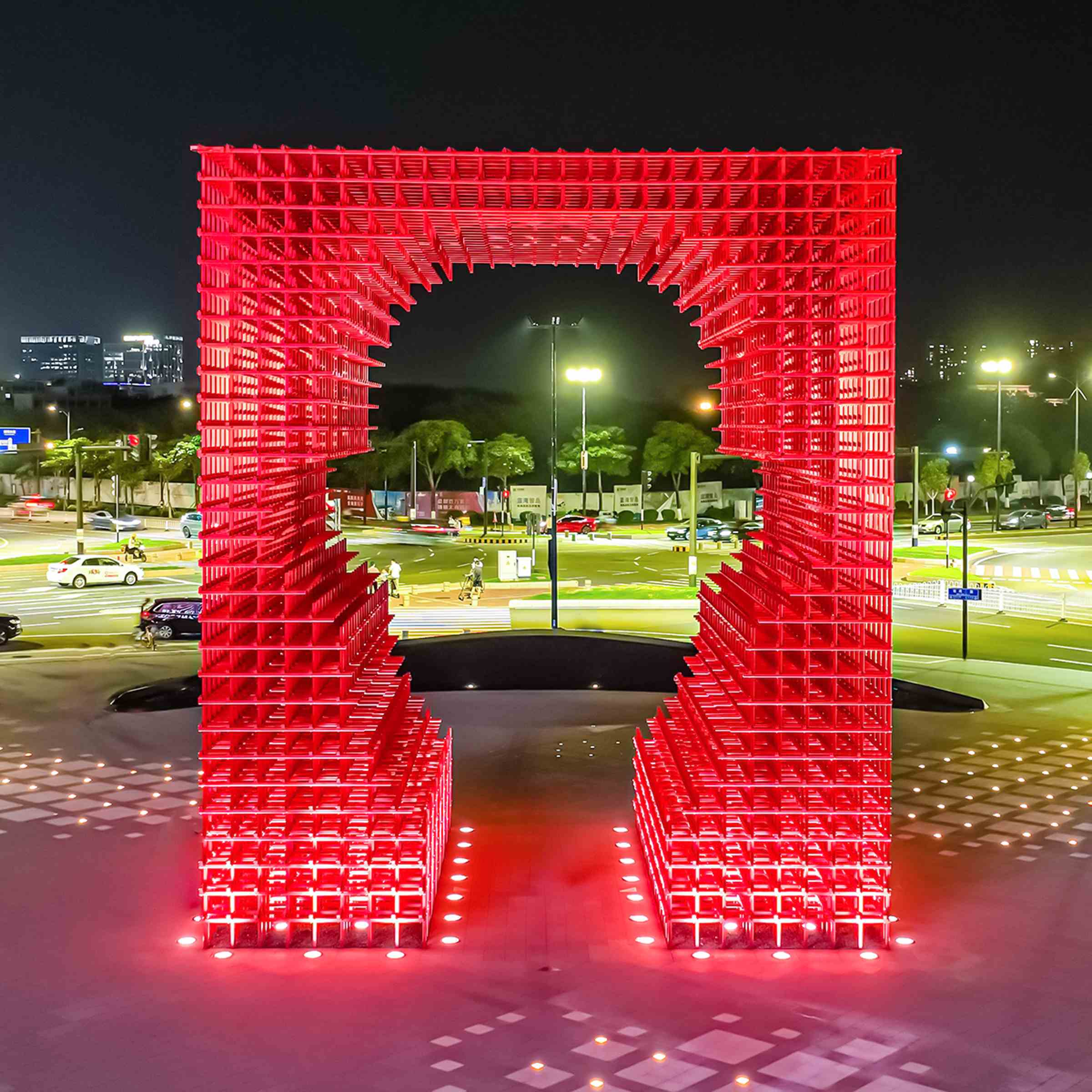
Design-first teams push shapes, colors, and illumination strategies; they frequently specify unique LED modules and bespoke housings. Engineering-first teams start with load calculations, material selection, and serviceability requirements. The differences show up at procurement: one buys prototype parts, the other sources corrosion-resistant metals and tested fasteners. For a national rollout, the engineering-first approach reduces field failures and schedule risk. For a flagship landmark, the design-first route delivers spectacle—but with higher coordination cost. This is where a reliable custom signage fabricator transforms concept into repeatable reality: they translate visual intent into structural drawings and test fixtures that scale.
Essential structural considerations
Three engineering variables determine whether a facade survives and performs: wind load, attachment design, and environmental sealing (IP rating). Wind load calculations set the size of mounting brackets and the number of fixings. Attachment design dictates maintenance access and replacement cycles. Environmental sealing protects LED modules and electronics from moisture and dust. These are not optional add-ons; they define life-cycle cost. Designers must quantify expected wind load and specify materials with known corrosion resistance—otherwise visual wins evaporate under weather and time.
Production controls and quality checkpoints
Scaling to bulk business signage requires a production framework: shop drawings, material traceability, prototype testing, and factory acceptance. Use of standardized jigs reduces fit-up variance. Field-adjustable mounts simplify installation tolerances and shorten site time. Factory acceptance tests—electrical, ingress, and vibration checks—catch issues before shipping. Small errors in tolerance stack-up can cause major rework on a facade—so enforce inspection gates at 10–30% production milestones to limit exposure.
Common mistakes and practical alternatives
Clients often specify a thin profile without adequate back-structure, underestimate service clearances for LED modules, or omit replaceability in front faces. The usual recovery strategies: add a service hatch, change to modular LED panels, or increase mounting bracket spacing to distribute load. Another frequent error is assuming paint is protection—uncoated interfaces need specified corrosion-resistant finishes. These corrections cost less than repeated site repairs and preserve brand consistency across locations.
Comparative outcomes and a real-world anchor
Projects that integrate structural integrity in early design tend to hit installation windows and maintain consistent luminance across sites. The contrast is visible in places like Manhattan’s Times Square, where persistent maintenance and standardized parts keep façades coherent despite harsh conditions. That example underscores a practical truth: iterative testing and clear production standards reduce variability and long-term maintenance spend.
Advisory close: three golden rules for selection
1) Prioritize early engineering reviews: require wind load and attachment specs before approving aesthetics. This prevents late-stage rework and hidden costs. 2) Demand modularity: choose LED modules and face panels designed for tool-less field replacement to minimize downtime. 3) Insist on factory acceptance and traceability: supplier quality records and prototype sign-offs save program delays and warranty claims.
Put simply: weigh the measurable trade-offs, require modular, serviceable designs, and lock in quality gates—these choices deliver predictable exterior performance. — Cosun Sign.